Refill vs Plastic Stick
A refillable or paper-tube deodorant removes a plastic applicator you throw away four to six times a year.
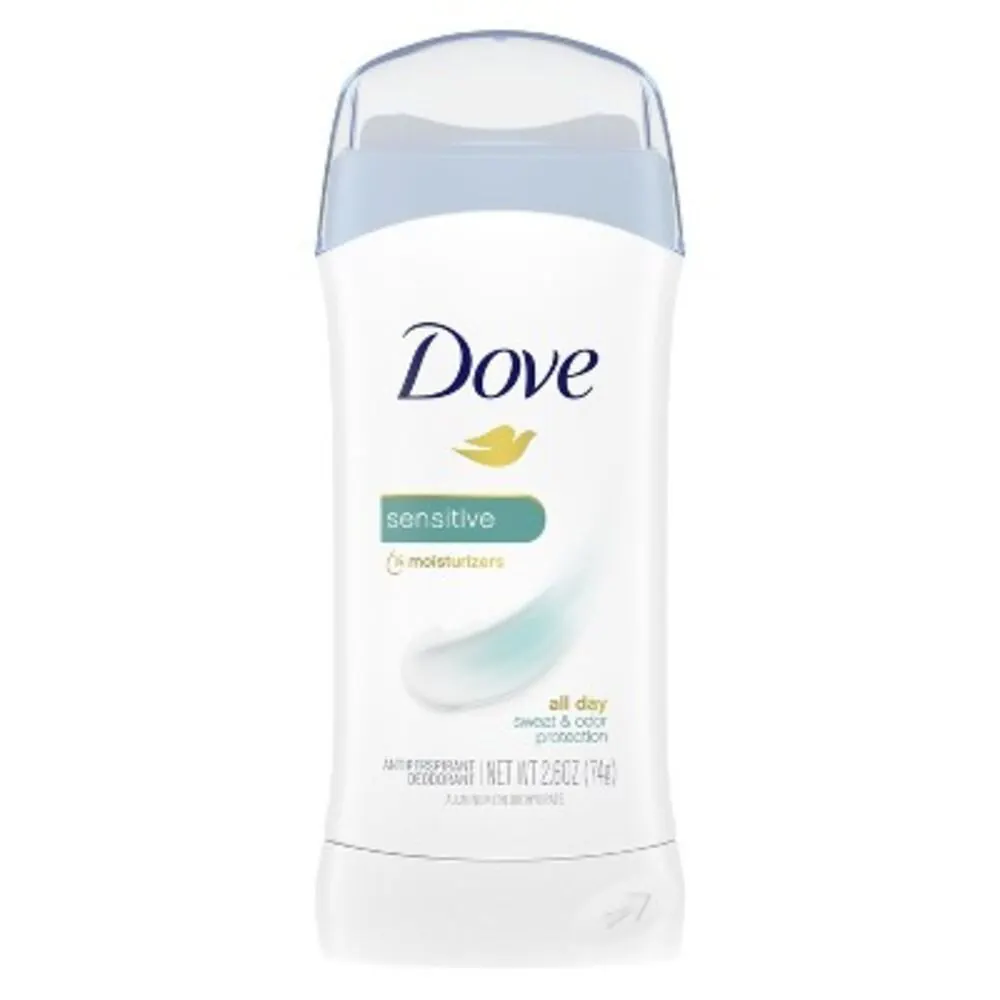
The deodorant stick is a small object that repeats forever. Each one is a multi-part plastic mechanism, barrel, screw base, cap, sometimes a spring, that is used for six weeks and then thrown away whole.

Refillable / paper-tube deodorant
- Plastic / use
- 0.04g
- Lifespan
- Case: years, refill: ~6 weeks
- Recyclability
- 85%
- Decomposes
- ,
- +Cuts applicator plastic by around 90%
- +Paper tubes recycle with card
- +Usually simpler ingredient lists
- −More expensive per use
- −Baking-soda versions irritate some skin
- −Rarely available as an antiperspirant
Plastic stick deodorant
- Plastic / use
- 0.7g
- Lifespan
- ~6 weeks
- Recyclability
- 10%
- Decomposes
- 100-400 yr
- +Cheap and everywhere
- +Antiperspirant formulas available
- +Reliable, familiar performance
- −A whole plastic mechanism thrown away every six weeks
- −Mixed-material parts usually rejected at sorting
- −~150g of applicator plastic per person per year
Breakdown times are modelled ranges from lab and field studies, not measured lifetimes. Real conditions (sunlight, heat, water, landfill) change them a lot, and plastic breaks into microplastics rather than disappearing. See our method.
The differences
| Refill | Plastic stick | |
|---|---|---|
| Applicator | Refill case or paper tube | Plastic barrel, base and cap |
| Plastic per year | ~15g (case amortised) | ~150g |
| Recyclable as sold | Paper tube: yes | Usually rejected, mixed parts |
| Units per year | 4-6 refills, one case | 4-6 whole sticks |
| Cost per year | ~$45 | ~$35 |
| Antiperspirant option | Rare | Widely available |
Why one wins
A standard stick is 25-35g of mixed polypropylene and polyethylene with a moving mechanism inside. Even where the plastics are individually recyclable, the assembled part is usually rejected at sorting as a mixed-material item with product residue.
Four to six sticks a year per person is roughly 150g of applicator plastic annually, for a product where the applicator is not the point.
A refillable case keeps the mechanism and replaces only the deodorant core, cutting applicator waste by around 90% after the first purchase. A paper-tube stick removes the plastic entirely and recycles with cardboard.
Aerosol cans are a separate argument: the can is genuinely recyclable steel or aluminium, but the propellant and the VOC content bring their own air-quality cost, and much of the spray never lands on you.