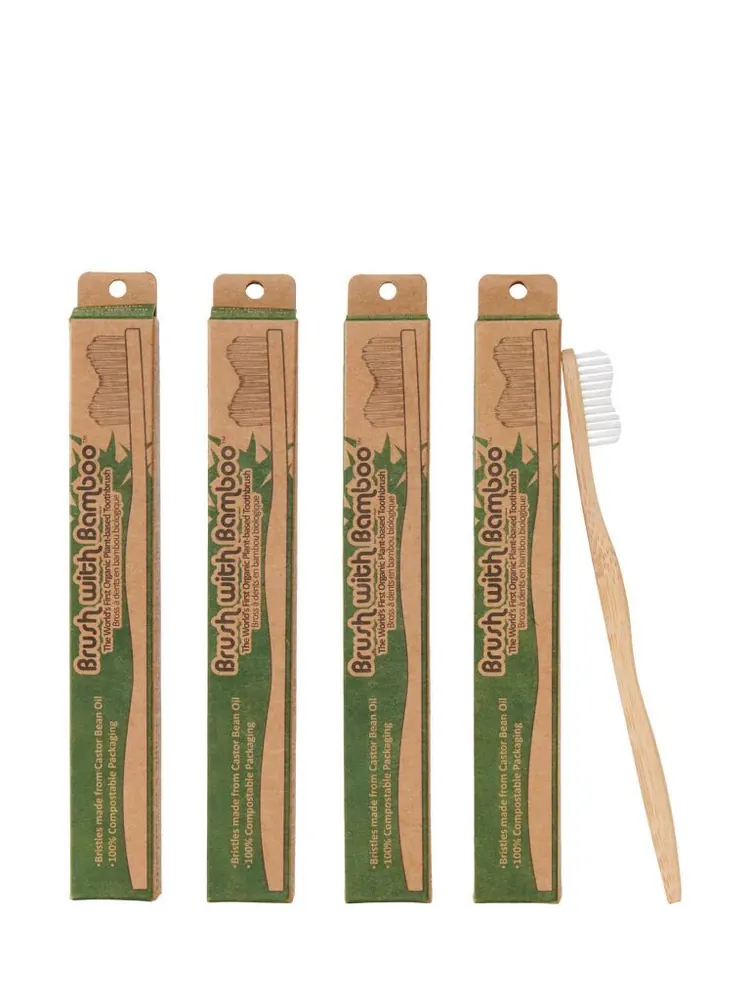
Shampoo Bar vs Bottle
The bar wins, one palm-sized solid replaces two to three plastic bottles.
A liquid shampoo bottle is roughly 80% water. A solid bar is the same surfactants without the water, and without the bottle.
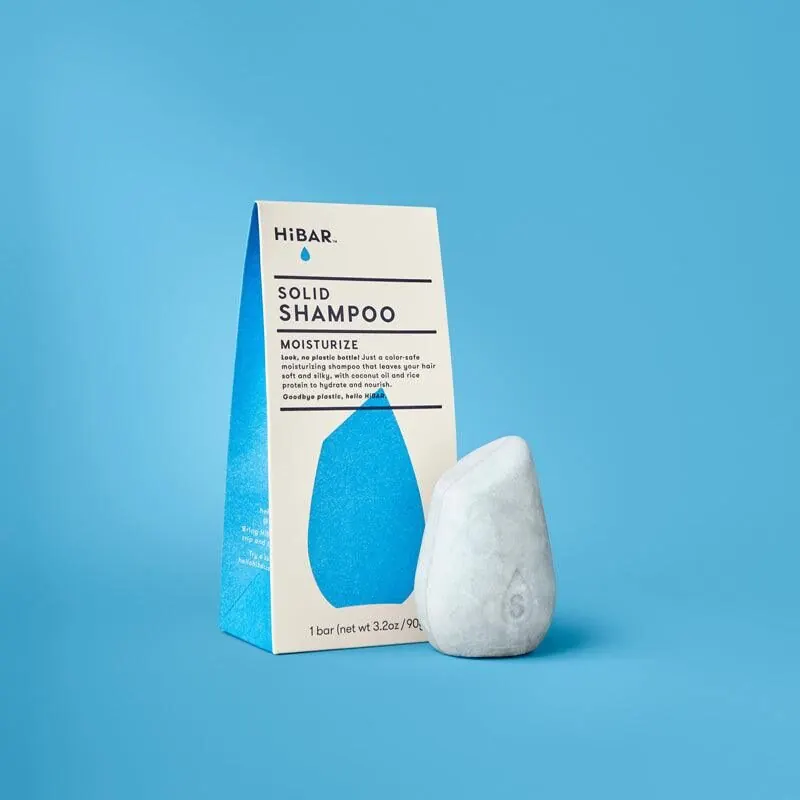
Solid shampoo bar
- Plastic / use
- 0g
- Lifespan
- 60-80 washes
- Recyclability
- 100%
- Decomposes
- 0.1 yr
- +Zero plastic packaging
- +Concentrated, no water shipping
- +Travel-friendly (TSA solid)
- −Needs a draining dish to last
- −Hard water can dull lather
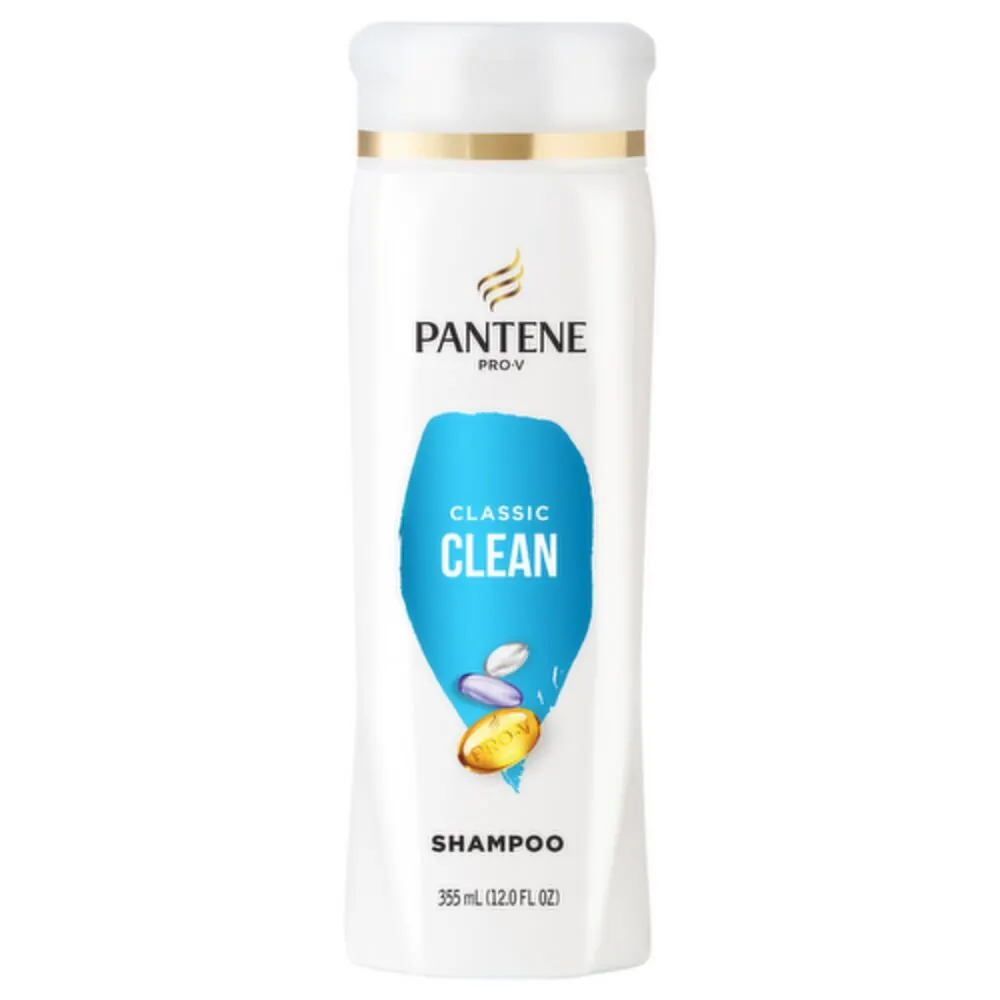
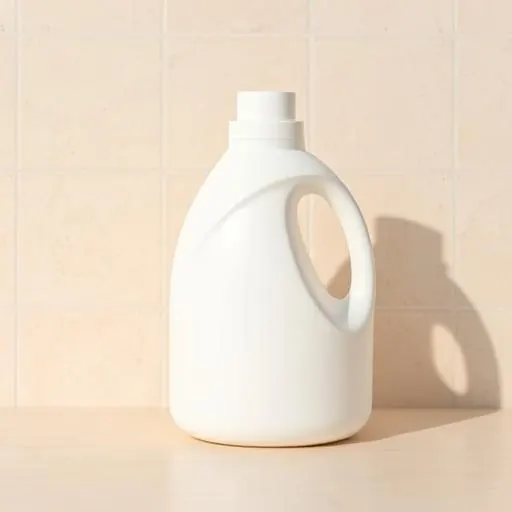
Liquid shampoo bottle
- Plastic / use
- 0.3g
- Lifespan
- 60-80 washes
- Recyclability
- 30%
- Decomposes
- 100-400 yr
- +Familiar format
- +Wide formulation options
- −~80% water by weight
- −Pump caps usually unrecyclable
- −HDPE bottle accepted curbside but rarely re-bottled
Breakdown times are modelled ranges from lab and field studies, not measured lifetimes. Real conditions (sunlight, heat, water, landfill) change them a lot, and plastic breaks into microplastics rather than disappearing. See our method.
The differences
| Bar | Bottle | |
|---|---|---|
| Packaging | Paper sleeve | HDPE bottle + PP cap |
| Plastic per wash | ~0g | ~0.3g (amortised) |
| Lifetime washes | 60-80 per bar | 60-80 per 500ml bottle |
| Shipping weight | 100g | ~520g |
| Water in product | 0% | ~80% |
Why one wins
Concentrating shampoo into a solid format removes two costs at once: the water you're shipping across the ocean and the plastic bottle holding it. A 100g bar typically lasts as long as 250–500ml of liquid.
Cleaning performance is comparable on most hair types when the bar is formulated with sodium cocoyl isethionate (SCI) rather than soap. Look for sulphate-free, pH-balanced bars if you have colour-treated hair.
Packaging usually drops to a single paper sleeve. Shipping weight per wash drops by ~60%, which compounds the carbon advantage.