Bamboo vs Plastic Toothbrush
Bamboo wins, the handle returns to soil while a plastic stick persists for centuries.
Dentists recommend replacing your toothbrush every three months. Over a lifetime, that's roughly 300 brushes per person. The handle material decides where they end up.
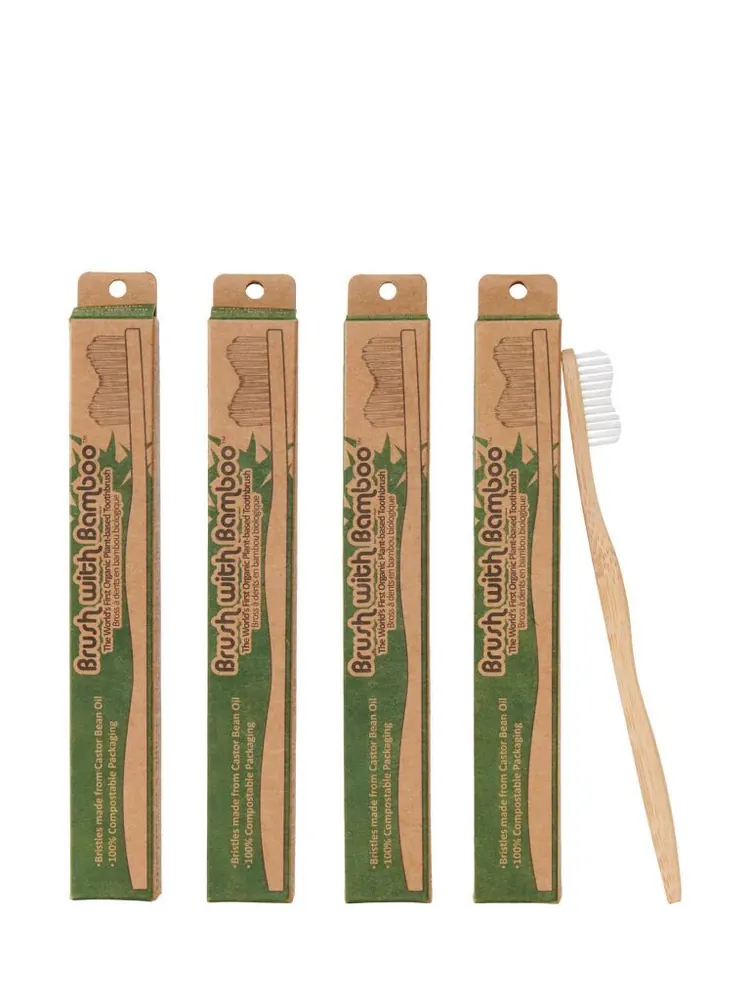
Bamboo toothbrush
- Plastic / use
- 0.01g
- Lifespan
- 3 months
- Recyclability
- 95%
- Decomposes
- 0.5 yr
- +Compostable handle
- +Renewable, fast-growing material
- +Same brushing performance as plastic
- −Nylon bristles must be removed before composting
- −Handle must be dried between uses to prevent mildew
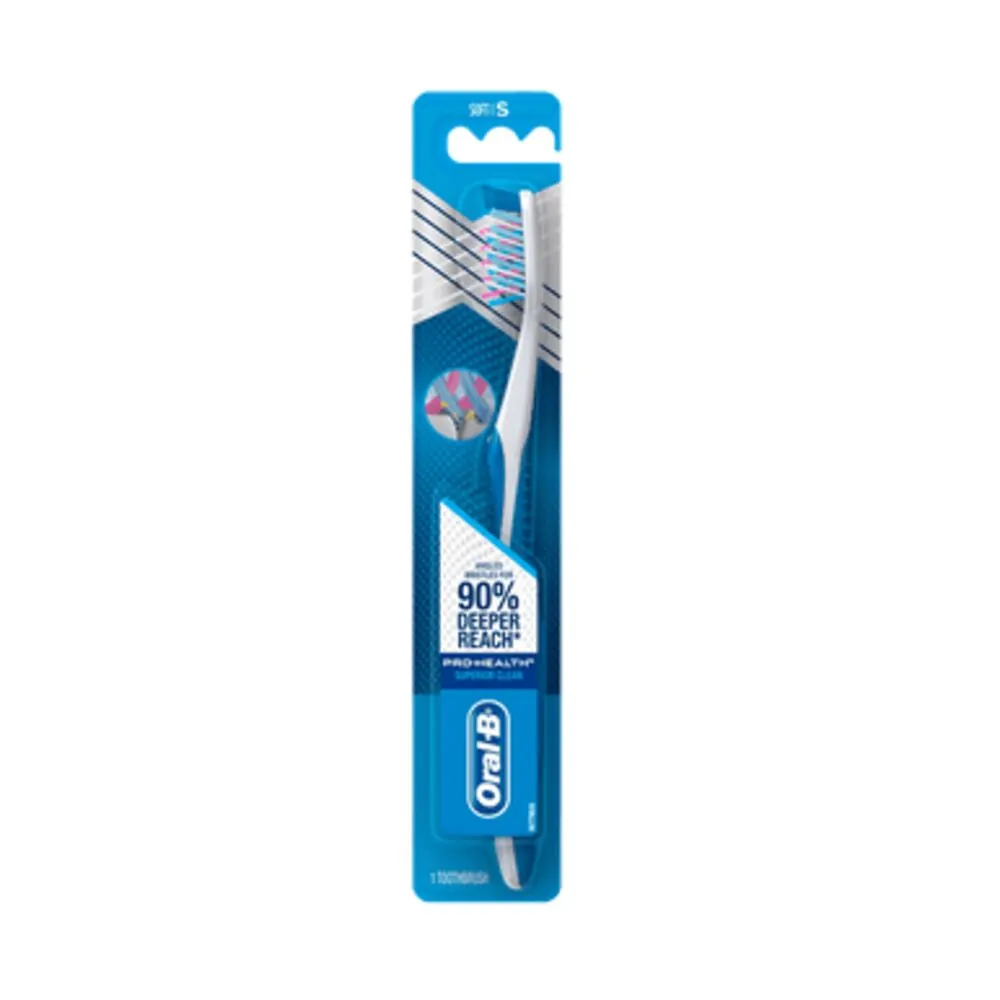
Plastic toothbrush
- Plastic / use
- 0.19g
- Lifespan
- 3 months
- Recyclability
- 0%
- Decomposes
- 100-400 yr
- +Cheapest per unit
- +Available everywhere
- −Not curbside recyclable
- −Persists for centuries in landfill or ocean
- −Made from petroleum-derived polypropylene
Breakdown times are modelled ranges from lab and field studies, not measured lifetimes. Real conditions (sunlight, heat, water, landfill) change them a lot, and plastic breaks into microplastics rather than disappearing. See our method.
The differences
| Bamboo | Plastic | |
|---|---|---|
| Handle material | MOSO bamboo | Polypropylene |
| Bristles | Nylon (removable) | Nylon (bonded) |
| Compostable handle | Yes, 6 months hot compost | No, never |
| Plastic per brush | ~1g (bristles only) | ~17g |
| Brushes per lifetime | 300 | 300 |
Why one wins
A standard plastic toothbrush is a moulded polypropylene stick that no recycling facility will accept, too small to sort, too multi-material to process. Every brush you've ever owned is, in some form, still on the planet.
A bamboo handle is grown in 3-5 years, harvested without replanting, and decomposes back into soil in 6 months in a hot compost. Only the nylon bristles need to be pulled out at end-of-life.
Cleaning performance is identical when the bristle profile (DuPont nylon, soft, rounded) is the same. The choice is purely about what the handle does after you throw it away.