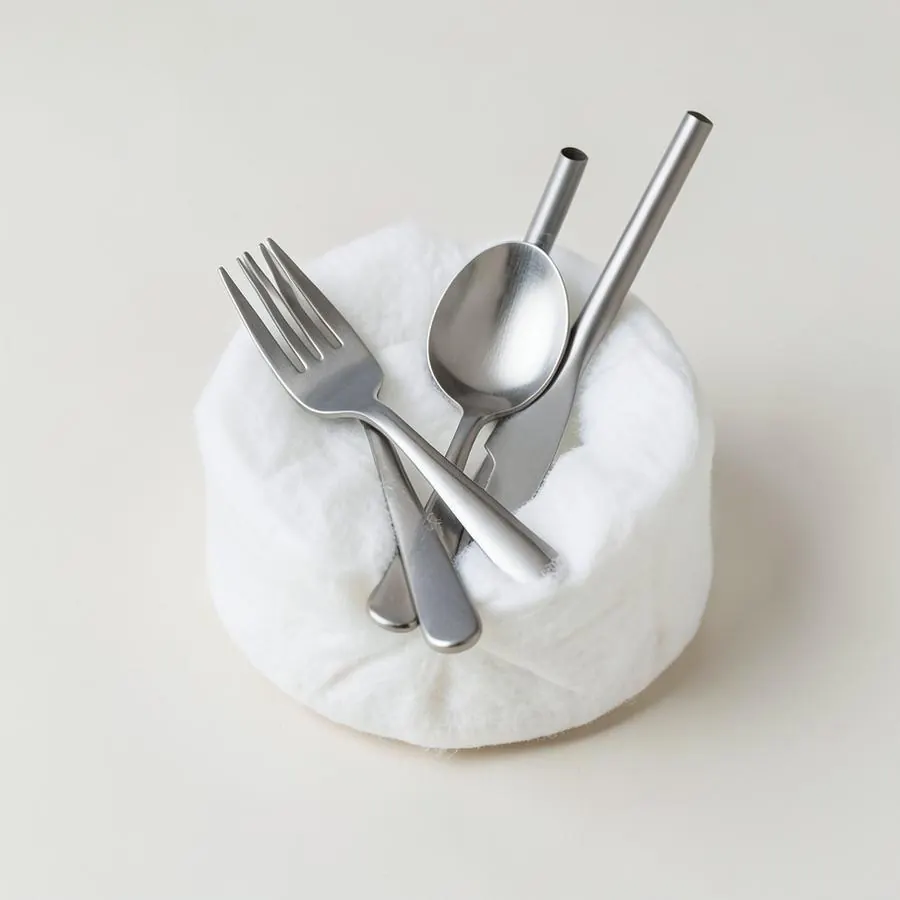
Silicone vs Plastic
Silicone wins on lifespan, heat tolerance, and lifetime plastic saved.
A single reusable silicone food bag is designed to replace thousands of single-use plastic sandwich and freezer bags. Both are polymers, but they behave very differently after the first use.
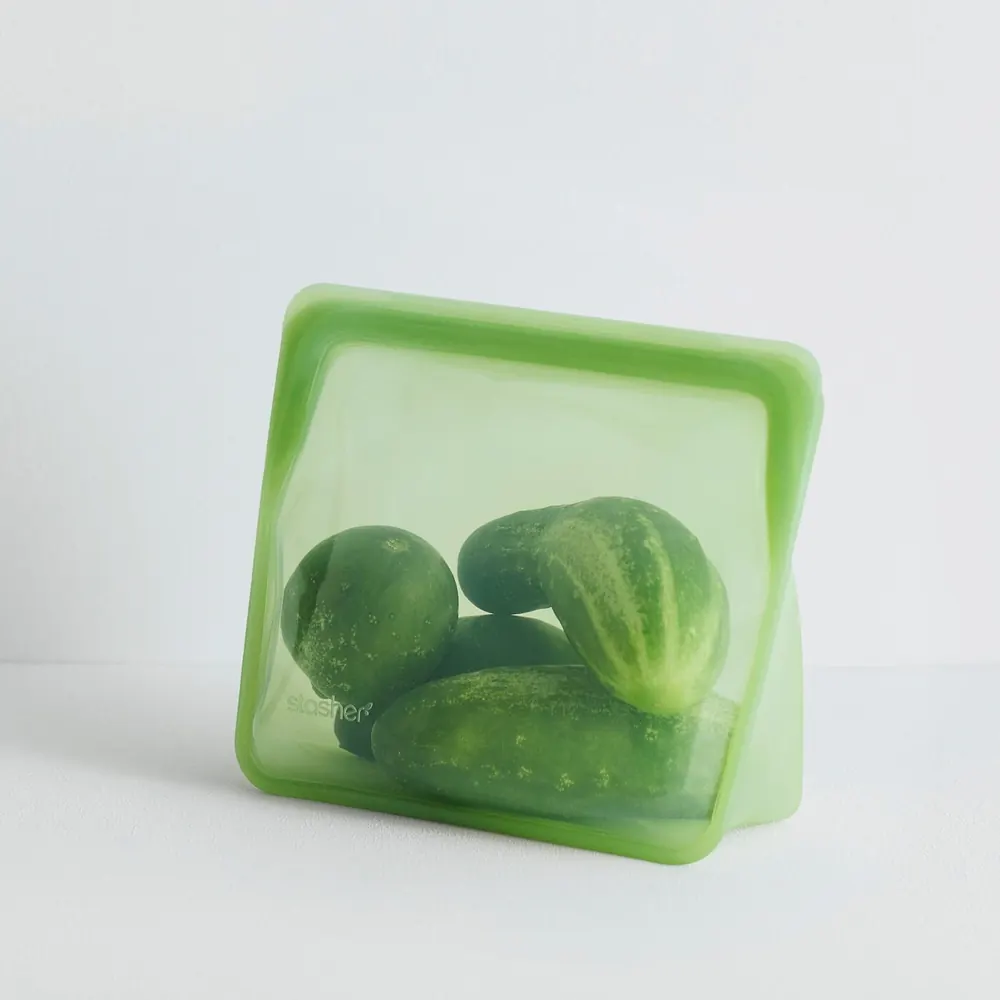
Reusable silicone food bag
- Plastic / use
- 0.05g
- Lifespan
- 3,000+ uses
- Recyclability
- 10%
- Decomposes
- ,
- +Dishwasher, freezer, microwave, oven safe
- +Stable for thousands of cycles
- +No leaching at food-contact temperatures
- −Not curbside recyclable, needs a take-back program
- −Higher upfront cost (~$15 vs ~$0.05)
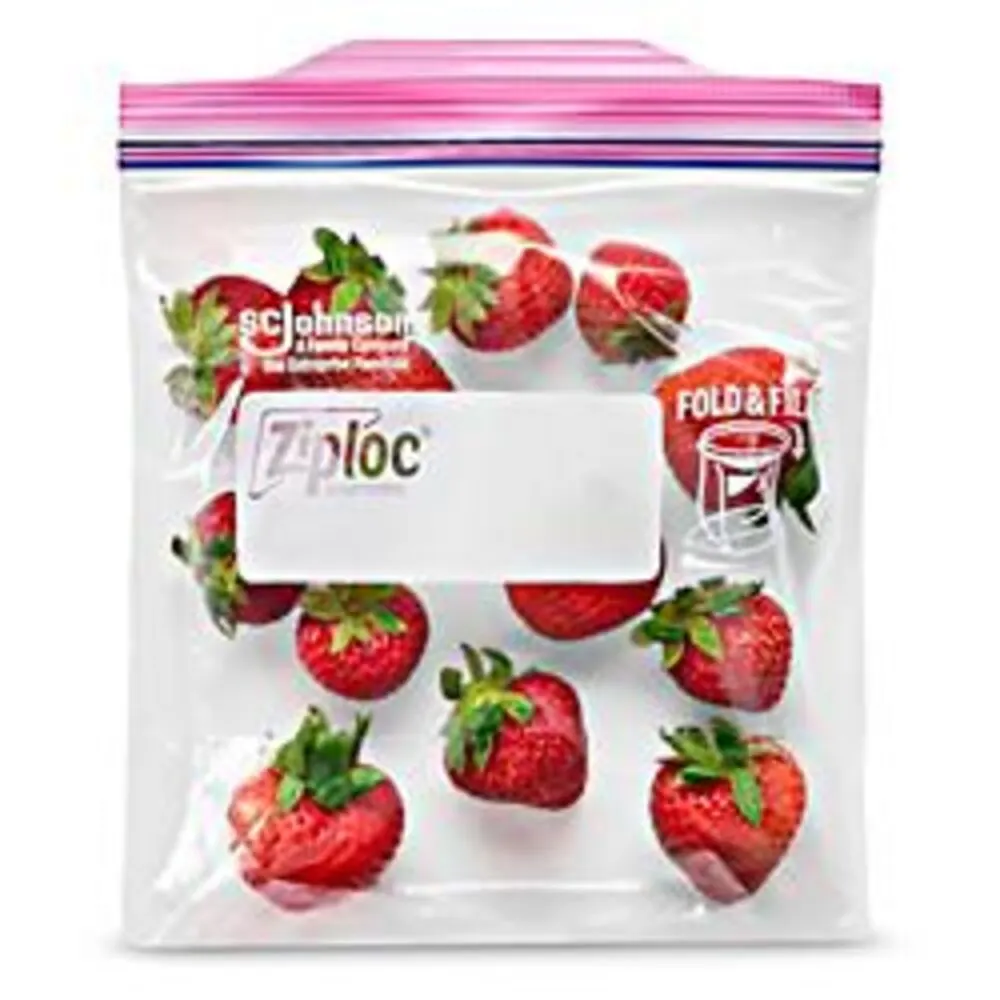
Single-use plastic zip bag
- Plastic / use
- 1.4g
- Lifespan
- 1 use
- Recyclability
- 4%
- Decomposes
- 20-200 yr
- +Cheap per bag
- +Lightweight, disposable convenience
- −Almost never accepted in curbside recycling
- −Sheds microplastic during decomposition
- −Cannot handle heat or sharp food edges
Breakdown times are modelled ranges from lab and field studies, not measured lifetimes. Real conditions (sunlight, heat, water, landfill) change them a lot, and plastic breaks into microplastics rather than disappearing. See our method.
The differences
| Silicone | Plastic | |
|---|---|---|
| Material | Platinum-cured silicone | LDPE / LLDPE film |
| Heat tolerance | Up to 220°C, oven, microwave, boil | Softens above 80°C |
| Dishwasher safe | Yes | No |
| Typical lifespan | 3,000+ uses | 1 use |
| Curbside recyclable | No, specialist take-back | Almost never accepted |
| Microplastic shedding | Minimal | Continuous in landfill / ocean |
Why one wins
Single-use polyethylene bags are built to be discarded after one fill. They lose structural integrity at moderate heat, can't be safely washed in a dishwasher, and are too thin and food-contaminated to be accepted at the vast majority of curbside recycling facilities.
Platinum-cured silicone, by contrast, tolerates the dishwasher, the freezer, the microwave, and boiling water. The same bag survives 3,000+ cycles. Over a decade of average use, that displaces roughly 4kg of single-use polyethylene that would otherwise end up in a landfill or the ocean.
Silicone is not biodegradable either, but it stays in productive use for an order of magnitude longer than the plastic it replaces, the comparison that matters is plastic-per-use, not material-vs-material in the abstract.