Swaps6 min read
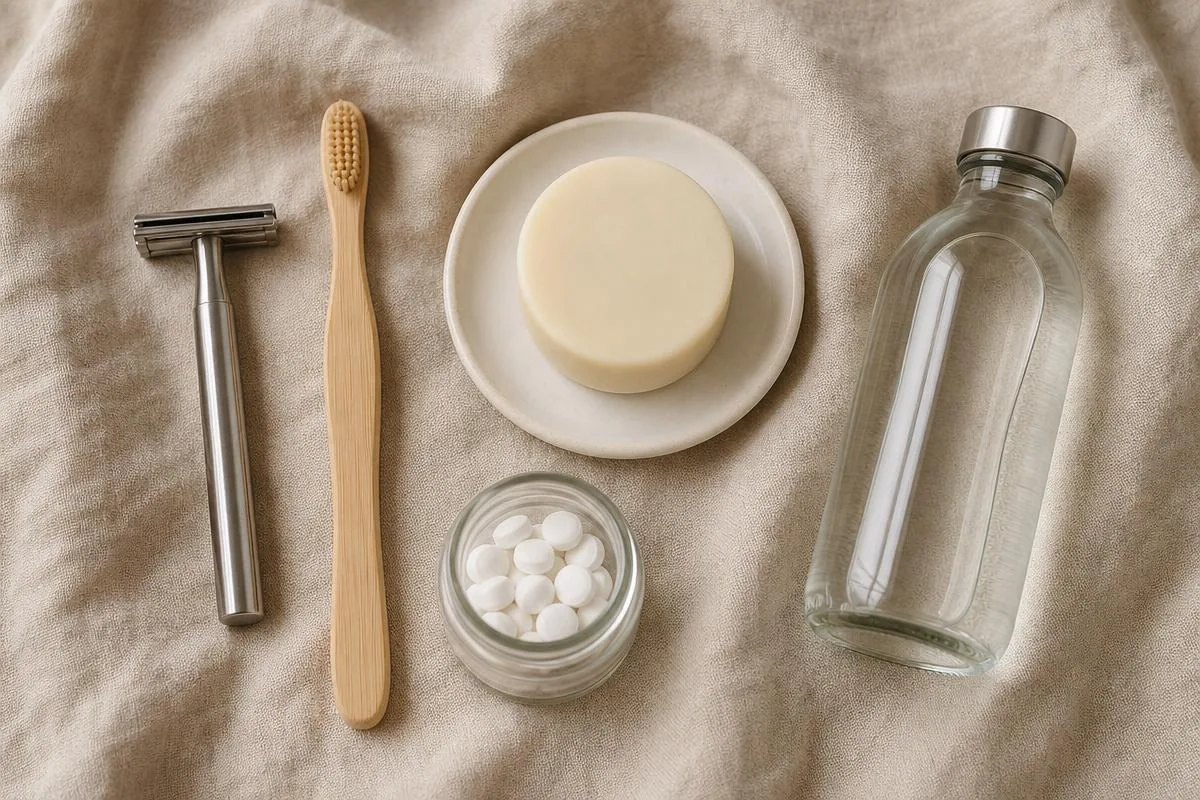
Seven swaps that cut bathroom plastic in half
The bathroom is the densest plastic room in most homes. A handful of swaps removes the worst offenders without changing your routine.
ReadField notes on cutting plastic from daily life. Each piece is written against the same archive of measurements that powers the rest of the site, so the advice is grounded in grams, not in gestures.
The bathroom is the densest plastic room in most homes. A handful of swaps removes the worst offenders without changing your routine.
Read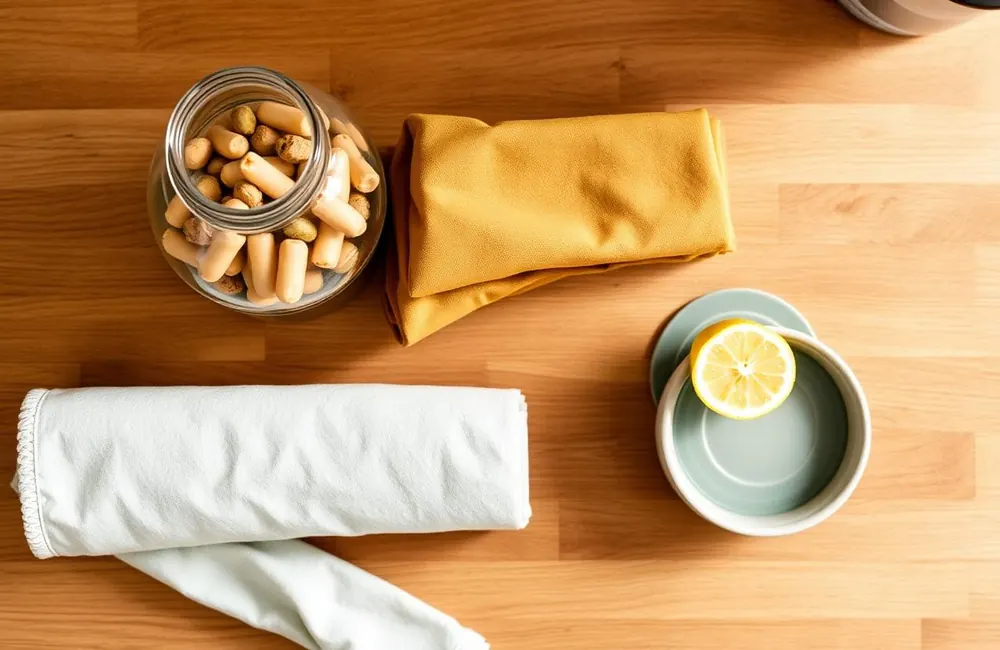
Cling film is the most-used and least-recycled item in most kitchens. Three replacements cover almost every use.
Read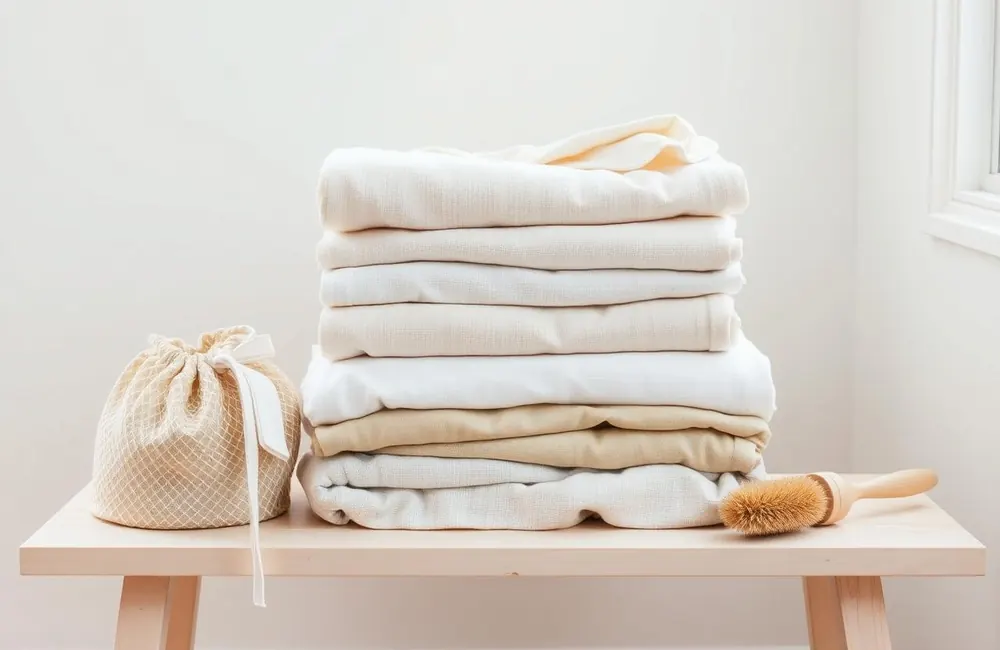
Synthetic clothing sheds plastic fibres in every wash. Two cheap interventions catch most of it before it reaches the ocean.
Read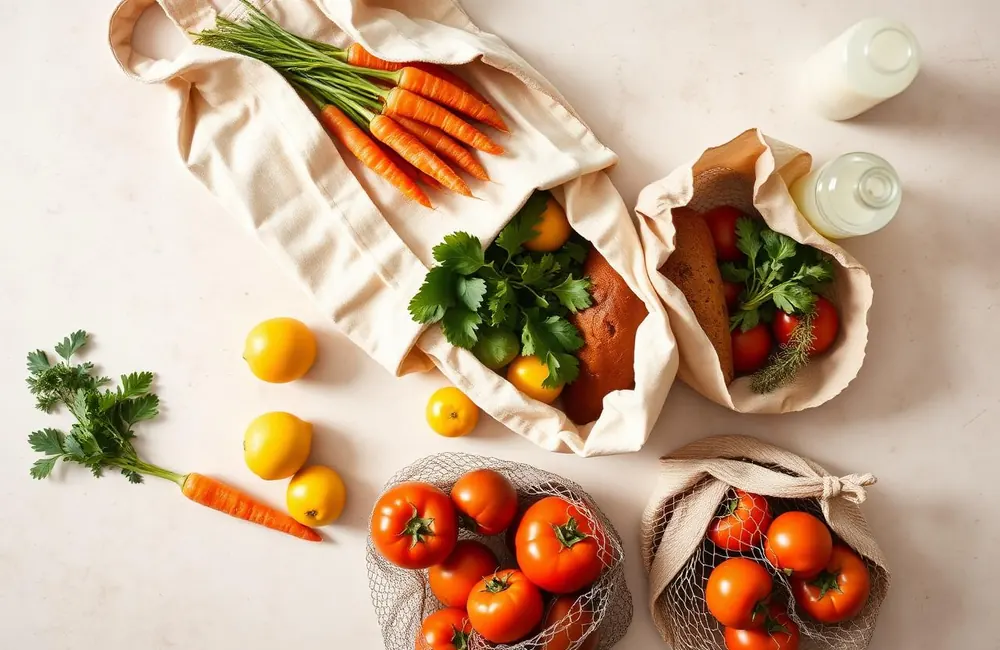
You will not eliminate packaging at a supermarket. You can cut it roughly in half with a handful of habits.
Read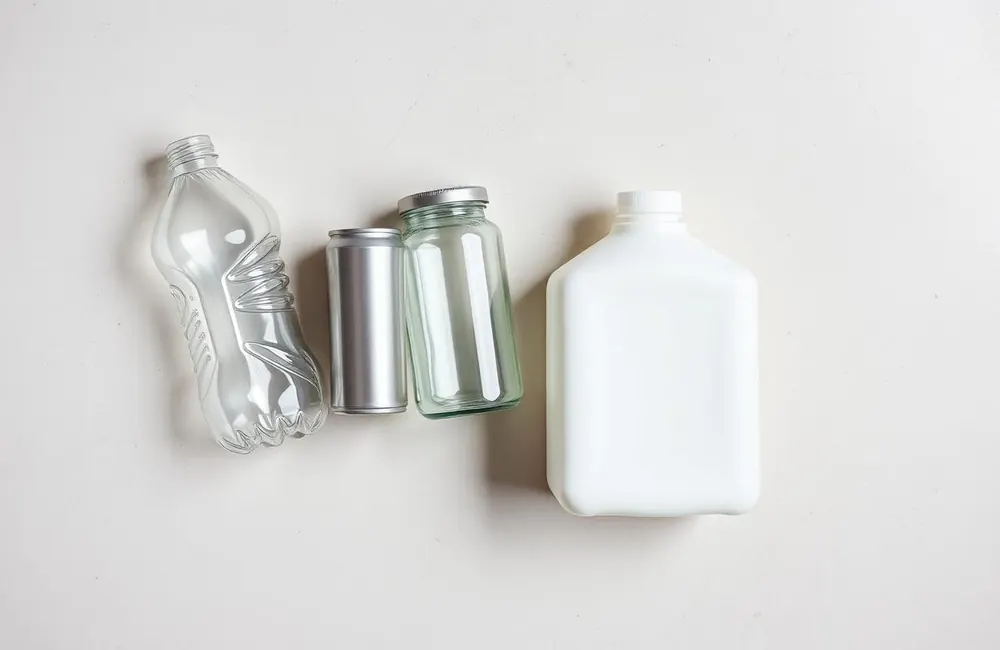
Most plastics with a recycling symbol are not actually recycled. Knowing the difference changes what you buy.
Read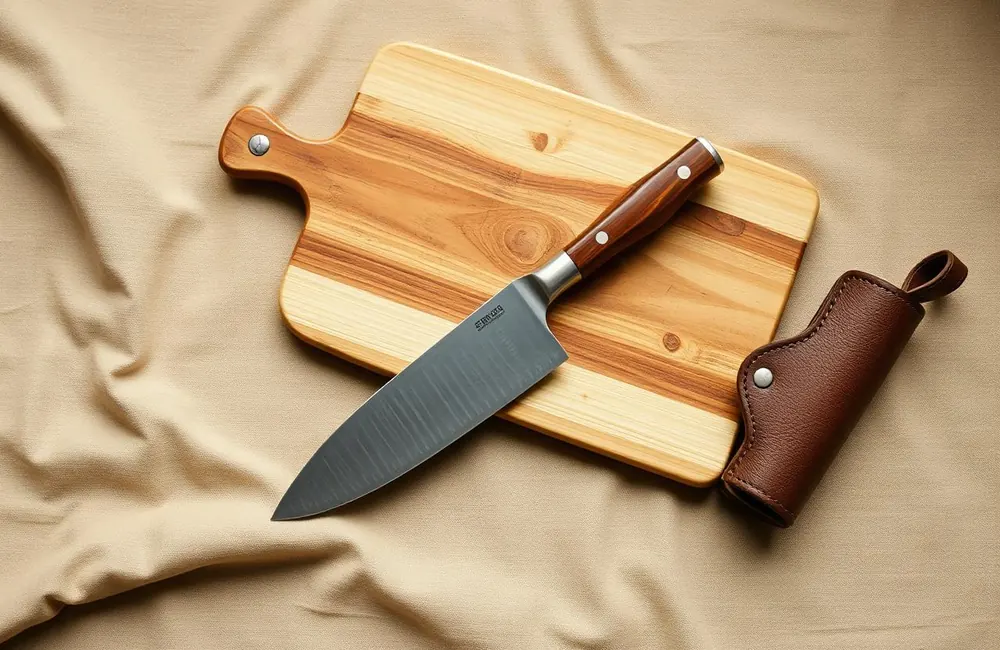
A knife block is one of the highest-waste corners of the kitchen. One good chef's knife, cared for properly, replaces almost all of it.
Read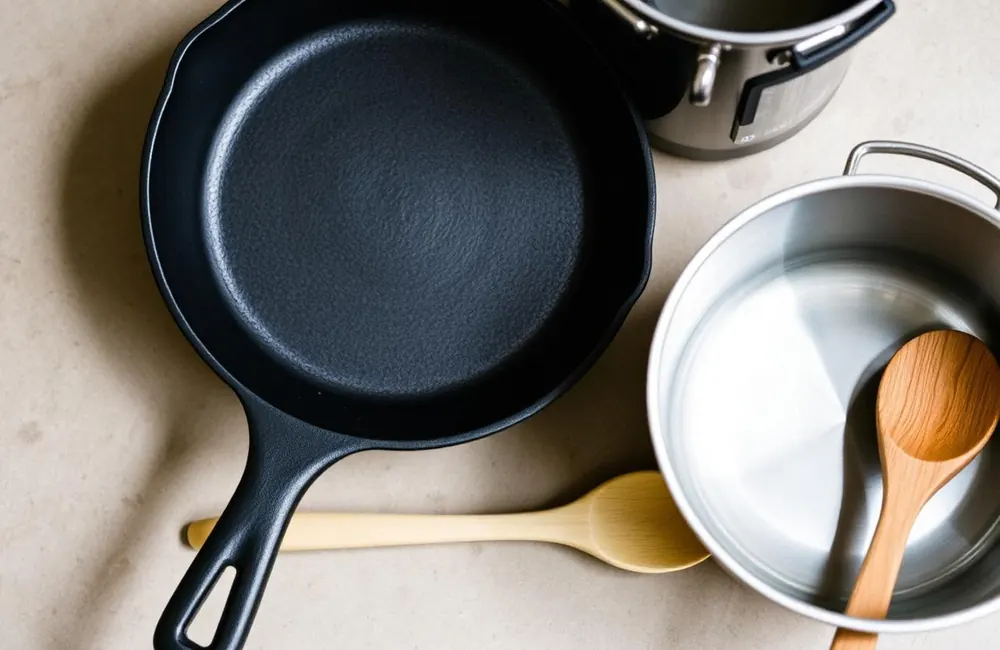
Non-stick coatings flake, warp and end up in landfill. Three pans in honest materials replace a whole cupboard.
Read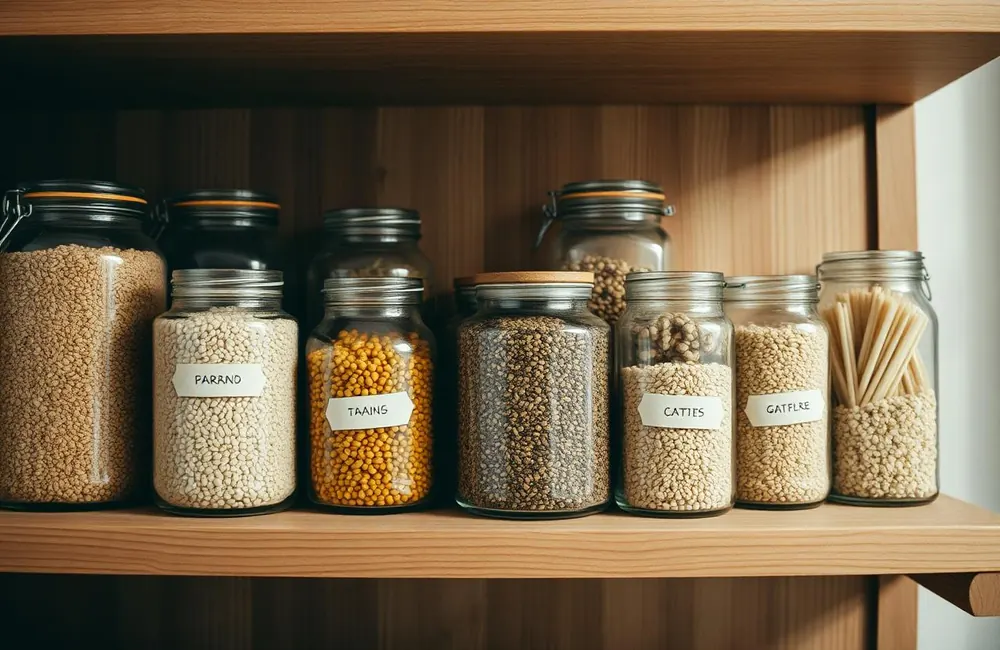
Glass jars look beautiful on Instagram and disastrous in practice unless you set the system up properly. Here is what works.
Read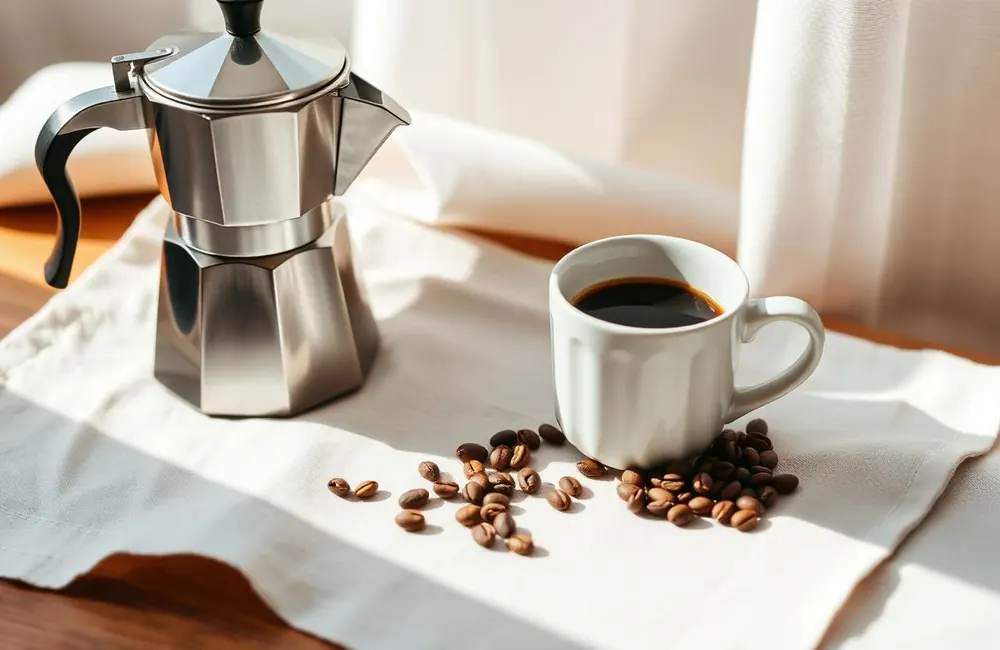
Coffee pods are the most quietly disastrous category in the kitchen. Three brewing methods make better coffee with none of it.
Read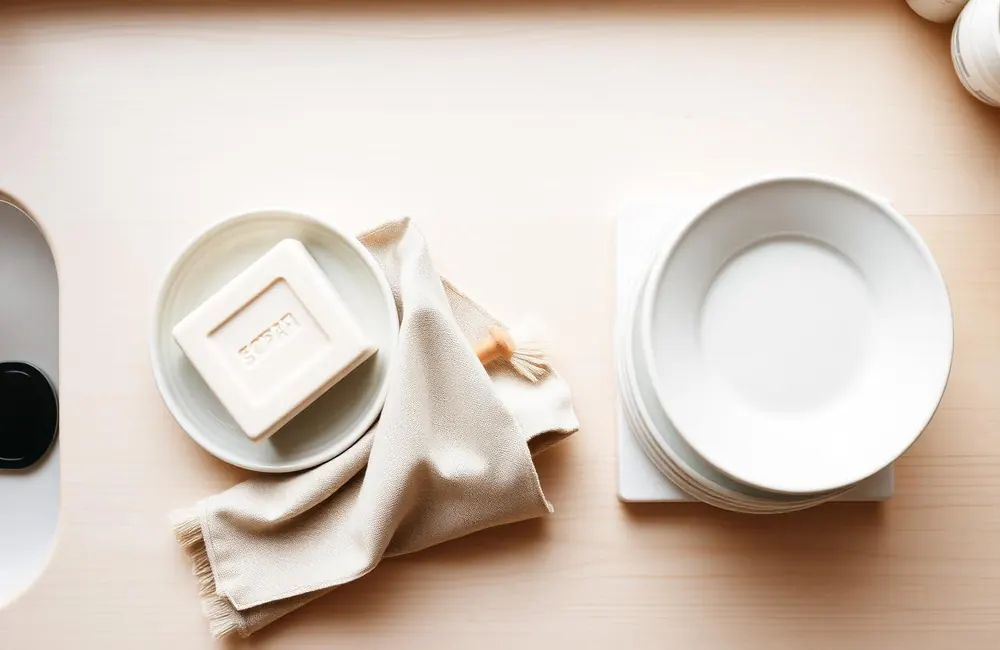
Liquid dish soap is one of the heaviest plastic items in the kitchen. A block, a wooden brush and a linen cloth do the same job for years.
Read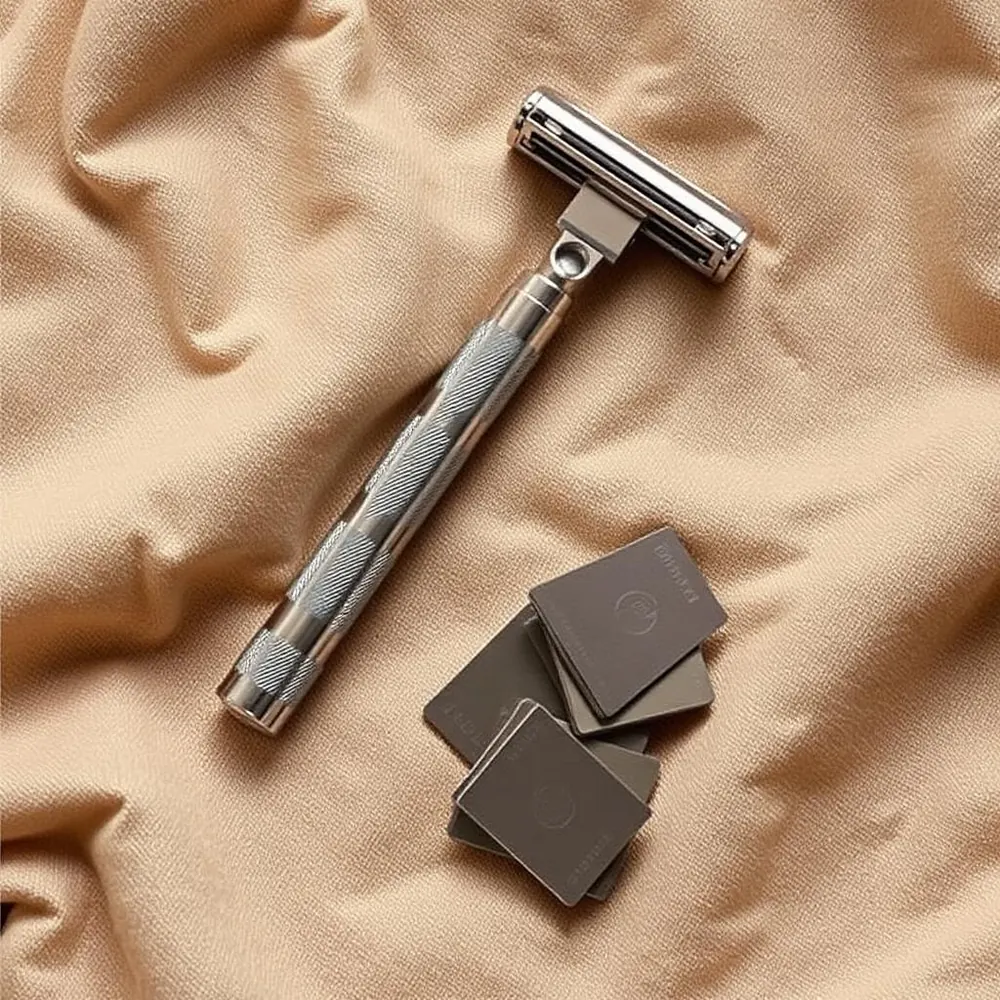
Disposable razors are a quietly enormous waste stream. A safety razor lasts a lifetime, the technique takes about a week to learn.
Read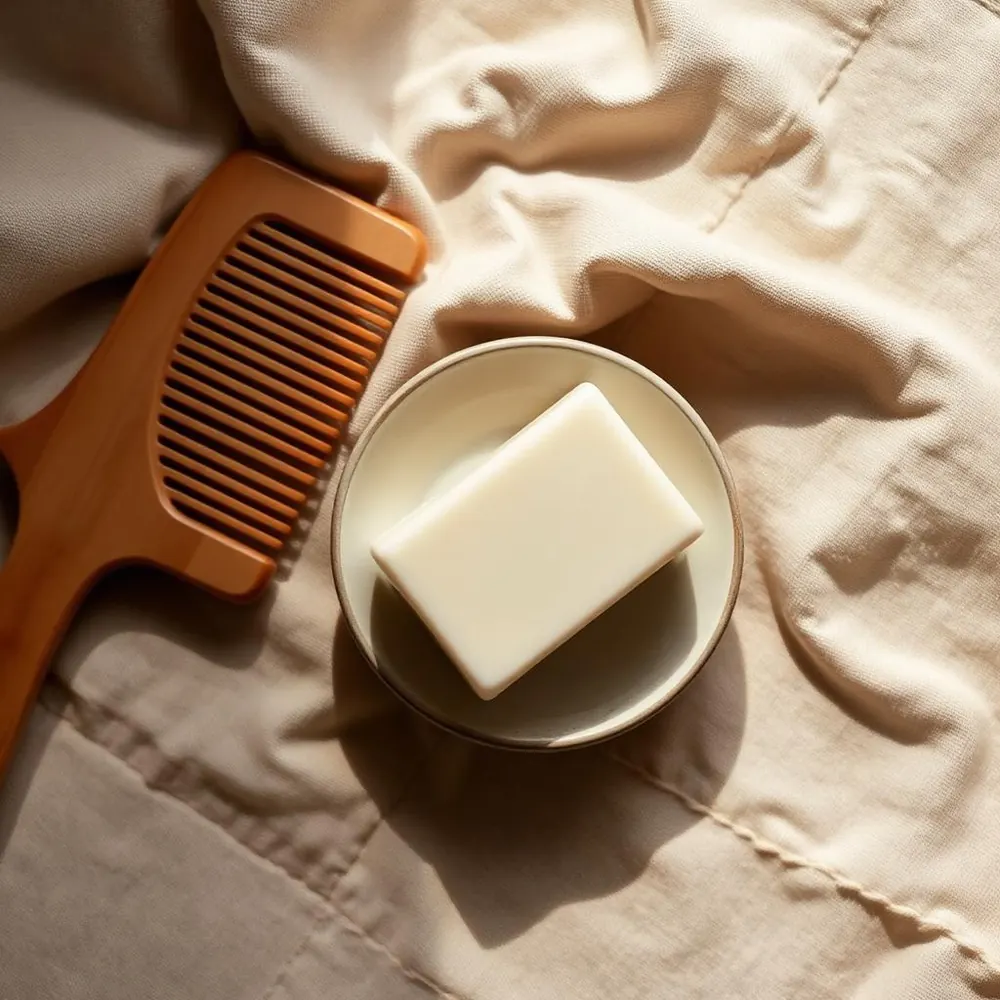
Most people who try shampoo bars give up after a week. The bar is rarely the problem, the water, the technique and the transition are.
Read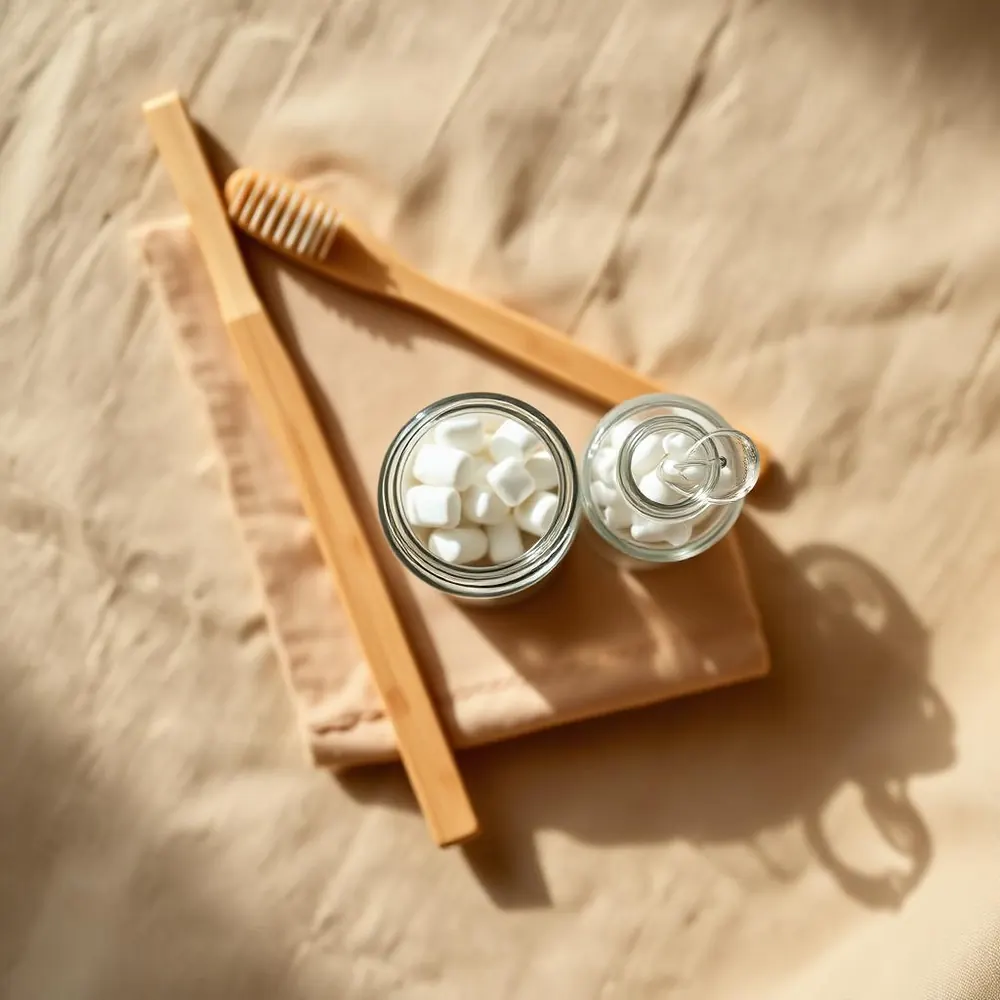
Toothbrushes, toothpaste tubes and floss containers add up to a kilo of plastic per person per decade. The replacements are unfussy.
Read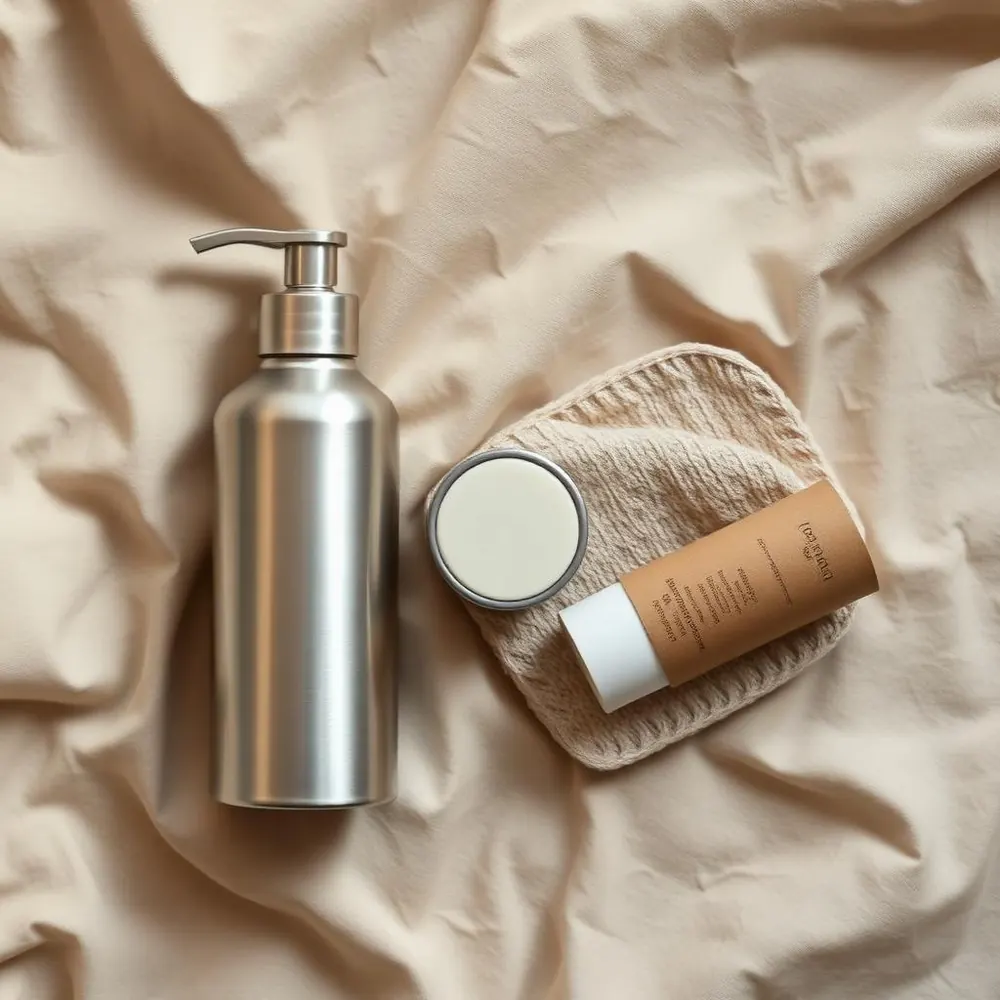
Bars and tablets handle the obvious items. For everything else, lotion, deodorant, hand soap, a small refill system keeps the bottles out of the bin.
Read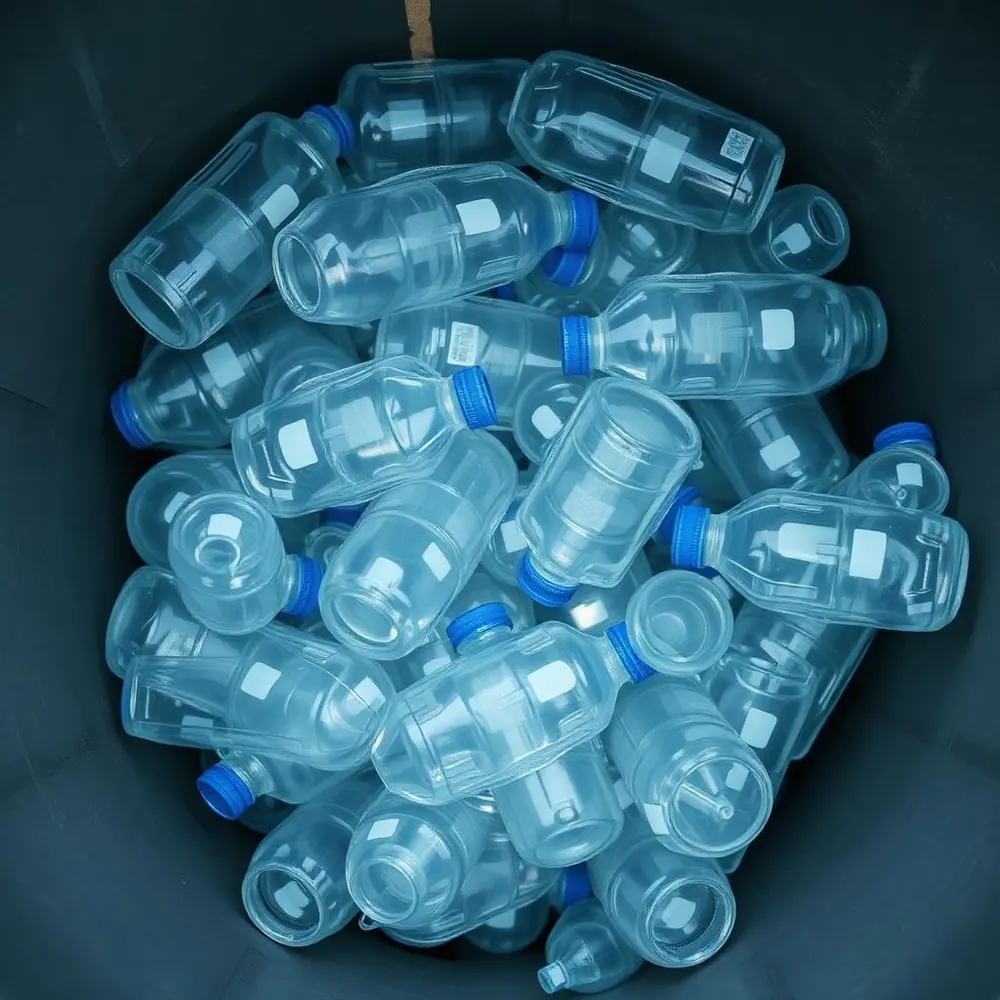
PET is the 'good' plastic, clear, lightweight, kerbside-accepted. The number that matters is how much of it actually becomes a new bottle. It is small.
ReadNew audits, fresh swaps, and the occasional graph that surprised even us. Unsubscribe whenever you like.