Kitchen7 min read
Building a refill pantry that actually works
Glass jars look beautiful on Instagram and disastrous in practice unless you set the system up properly. Here is what works.
Glass jars look beautiful on Instagram and disastrous in practice unless you set the system up properly. Here is what works.
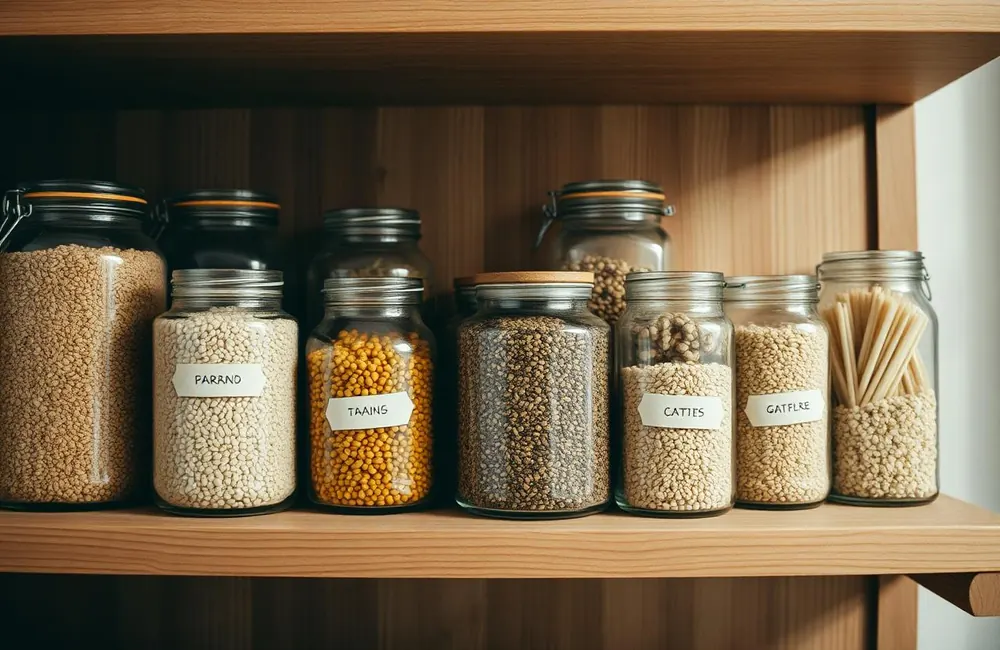
Refill shops only save packaging if the system at home actually holds. Decanting into mismatched jars, no labels, no dates, that is how a refill pantry quietly turns into a graveyard of unidentifiable beige powders. A good system survives contact with a busy week.
Pick one or two jar sizes and buy ten of each. Le Parfait, Weck, or reused passata jars all work. Uniform jars stack, label cleanly, and let you see what is low at a glance. Mixed jars feel rustic for a week and chaotic forever.
Dry goods that turn over in under three months are the easy win: oats, rice, pasta, lentils, flour. Skip refilling anything you only use once a year, the packaging on a bag of rare spice is a rounding error against the food waste of letting a jar go stale.
“A pantry is a working tool, not a display. The most sustainable jar is the one you actually empty.”
New audits, fresh swaps, and the occasional graph that surprised even us. Unsubscribe whenever you like.
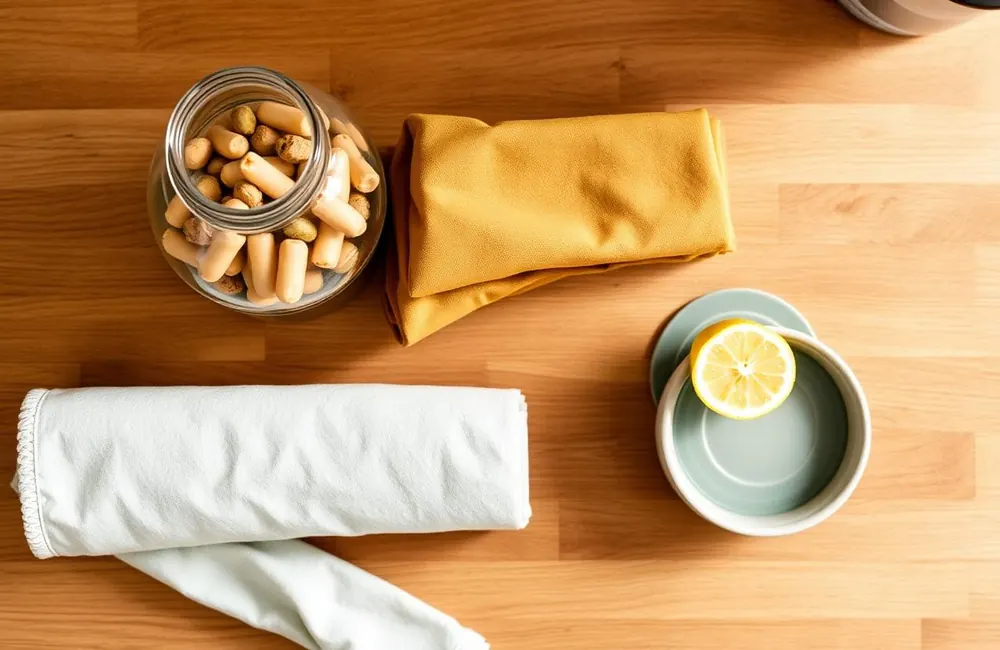
Cling film is the most-used and least-recycled item in most kitchens. Three replacements cover almost every use.
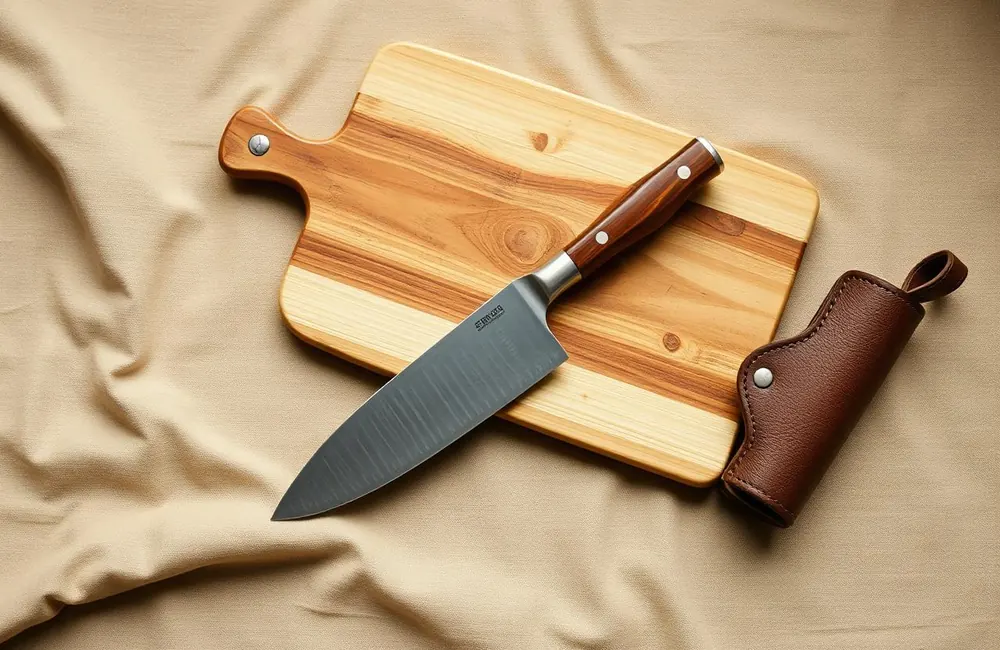
A knife block is one of the highest-waste corners of the kitchen. One good chef's knife, cared for properly, replaces almost all of it.