Kitchen5 min read
A kitchen without cling film
Cling film is the most-used and least-recycled item in most kitchens. Three replacements cover almost every use.
Cling film is the most-used and least-recycled item in most kitchens. Three replacements cover almost every use.

Cling film is functionally unrecyclable. It is too thin for mechanical sorting, usually a multi-layer laminate rather than a single polymer, and it lands almost entirely in landfill or incineration. Most kitchens get through a roll every few weeks, and almost every use has a reusable equivalent.
This is the one case where the reusable answer is awkward. Most cooks use a dedicated glass container with a tight lid, or wrap in parchment inside a container. Beeswax is not suitable for raw protein.
New audits, fresh swaps, and the occasional graph that surprised even us. Unsubscribe whenever you like.
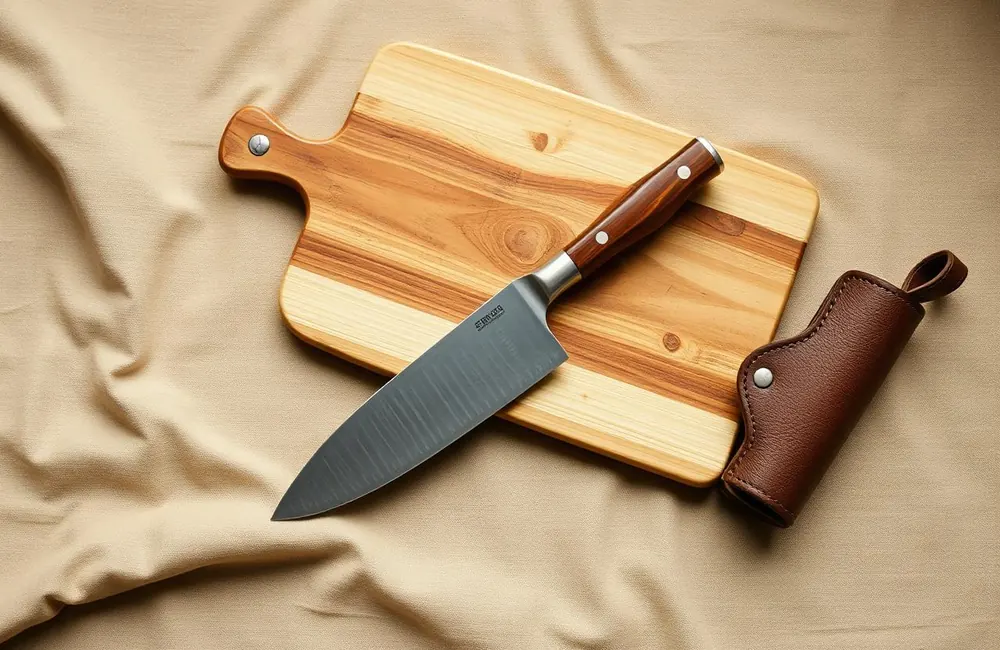
A knife block is one of the highest-waste corners of the kitchen. One good chef's knife, cared for properly, replaces almost all of it.

Non-stick coatings flake, warp and end up in landfill. Three pans in honest materials replace a whole cupboard.