Kitchen4 min read
A dishwashing routine without plastic bottles
Liquid dish soap is one of the heaviest plastic items in the kitchen. A block, a wooden brush and a linen cloth do the same job for years.
Liquid dish soap is one of the heaviest plastic items in the kitchen. A block, a wooden brush and a linen cloth do the same job for years.
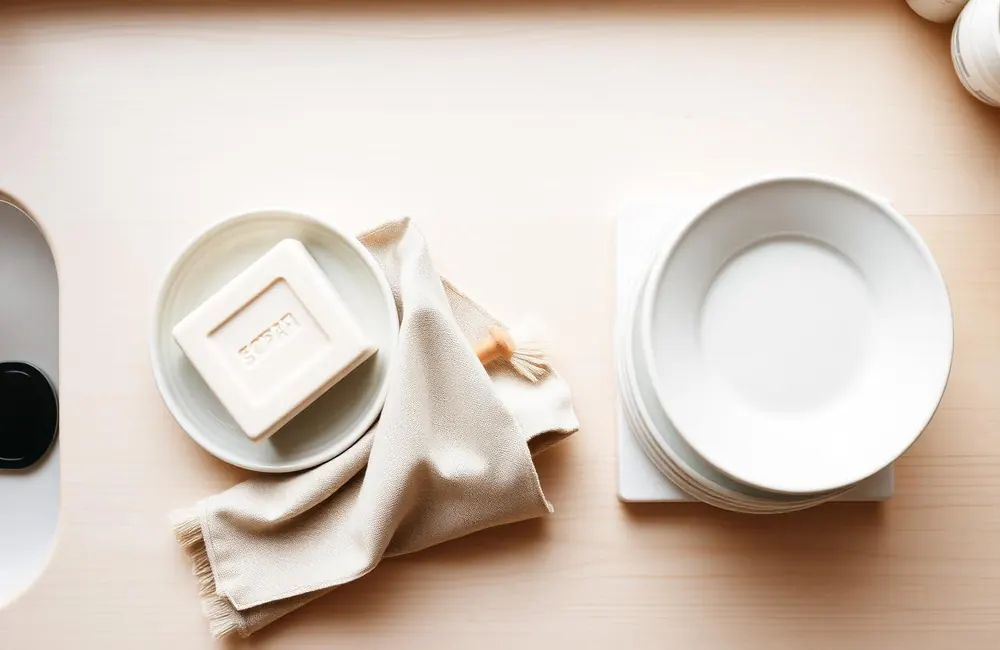
A household gets through several bottles of dish liquid a year, and in packaging studies the bottle is a meaningful share of the product's footprint, refill and concentrate formats cut it sharply. Pump dispensers are mixed-material units that usually land in residue. A block of solid dish soap, used with a wooden brush, replaces the lot, and dries to nothing between washes, so it does not turn into a slime trap.
Dishwasher tablets in a cardboard box, or refillable powder, both beat individually-wrapped tablets on packaging and per-wash cost. The plastic-film tablets are not water-soluble in any meaningful sense, they end up as microplastic in the wastewater stream.
“The most sustainable kitchen routine is the one that asks nothing extra of you on a tired Tuesday. Set it up once and let the materials do the work.”
New audits, fresh swaps, and the occasional graph that surprised even us. Unsubscribe whenever you like.
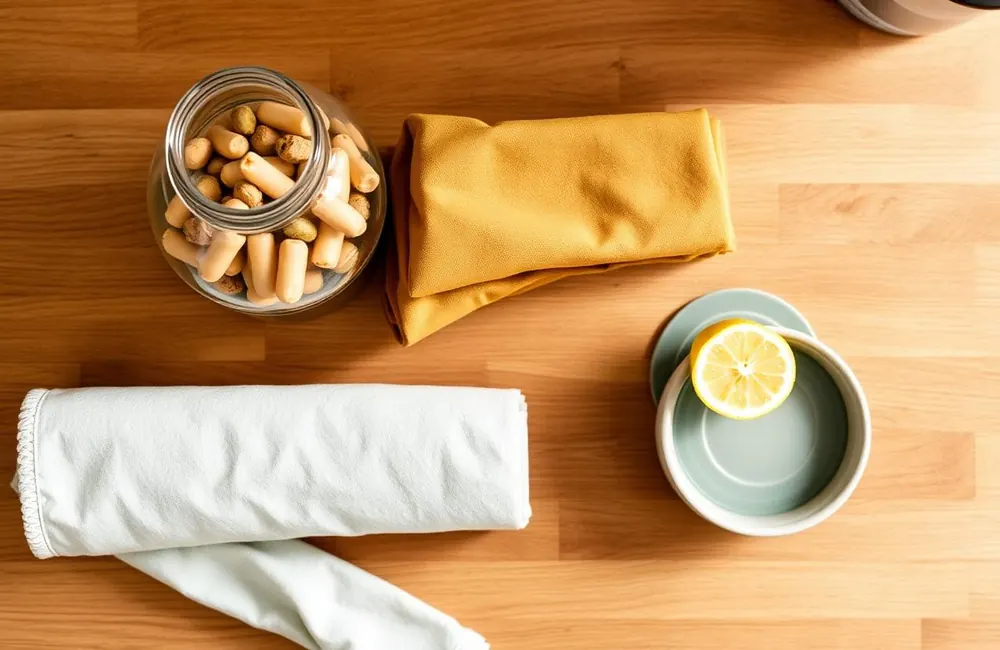
Cling film is the most-used and least-recycled item in most kitchens. Three replacements cover almost every use.
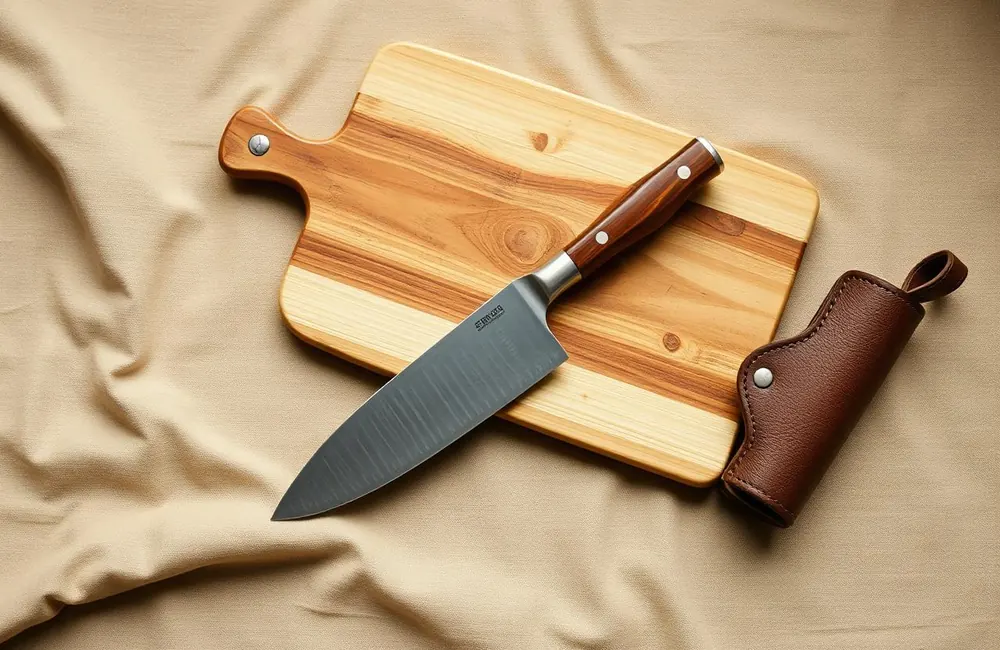
A knife block is one of the highest-waste corners of the kitchen. One good chef's knife, cared for properly, replaces almost all of it.