Recycling8 min read
What actually gets recycled (and what does not)
Most plastics with a recycling symbol are not actually recycled. Knowing the difference changes what you buy.
Most plastics with a recycling symbol are not actually recycled. Knowing the difference changes what you buy.
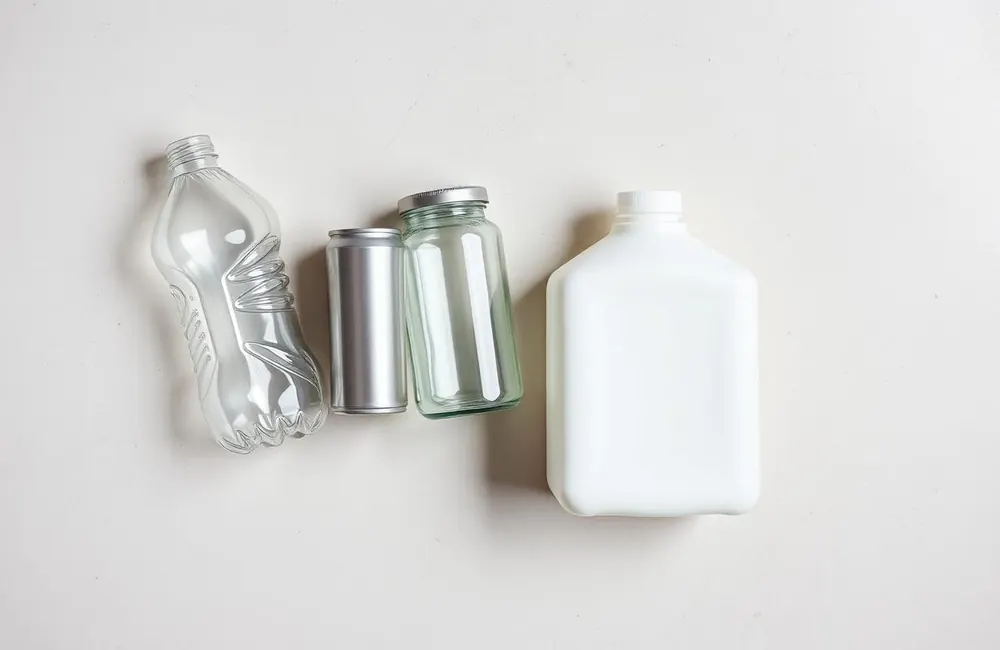
The chasing-arrows symbol on plastic is a resin identification code, not a recycling guarantee. The number tells you what polymer it is, not whether your local facility can process it. In most of Europe and North America, only types 1 (PET) and 2 (HDPE) recycle reliably. Everything else is a coin toss.
Recycling is the last lever, not the first. The hierarchy is refuse → reduce → reuse → recycle, in that order, and the first three do more than the last. If a product is sold in PET or HDPE, that is your best supermarket-shelf bet. If it is in a pouch, treat it as landfill no matter what the label says.
New audits, fresh swaps, and the occasional graph that surprised even us. Unsubscribe whenever you like.
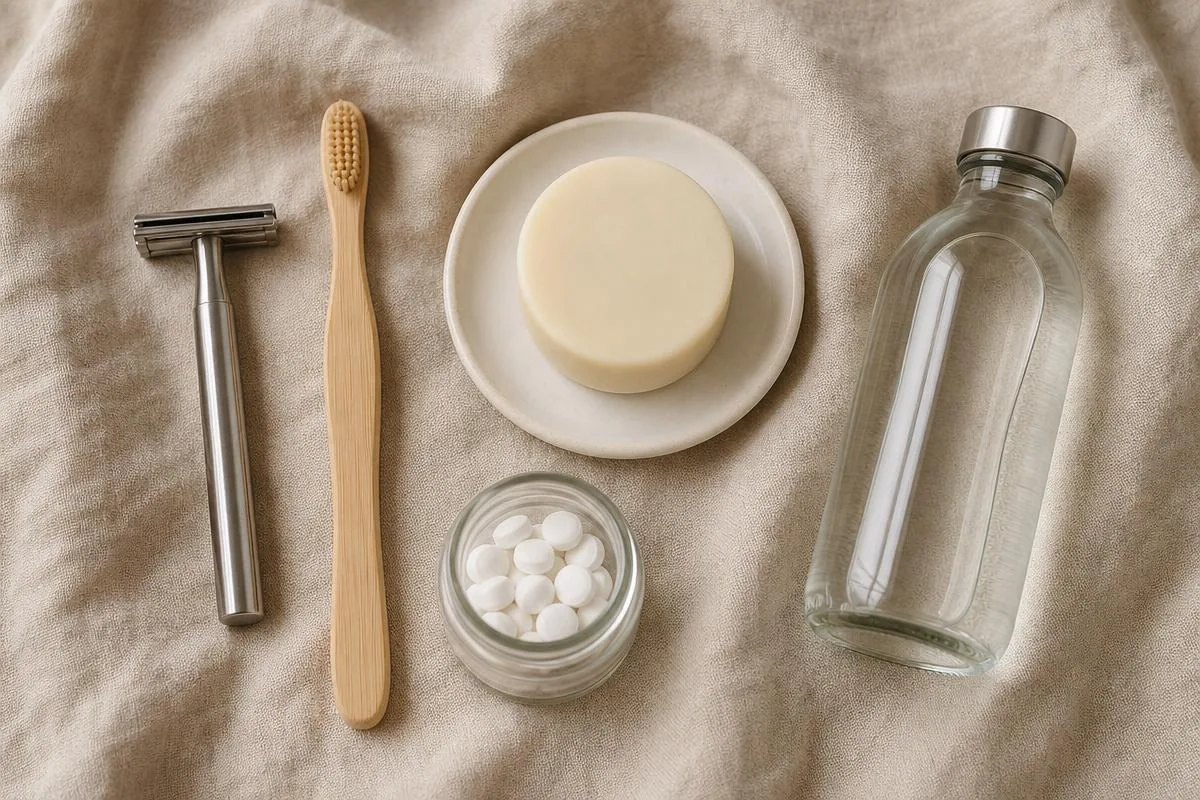
The bathroom is the densest plastic room in most homes. A handful of swaps removes the worst offenders without changing your routine.

Cling film is the most-used and least-recycled item in most kitchens. Three replacements cover almost every use.