Swaps6 min read
Seven swaps that cut bathroom plastic in half
The bathroom is the densest plastic room in most homes. A handful of swaps removes the worst offenders without changing your routine.
The bathroom is the densest plastic room in most homes. A handful of swaps removes the worst offenders without changing your routine.
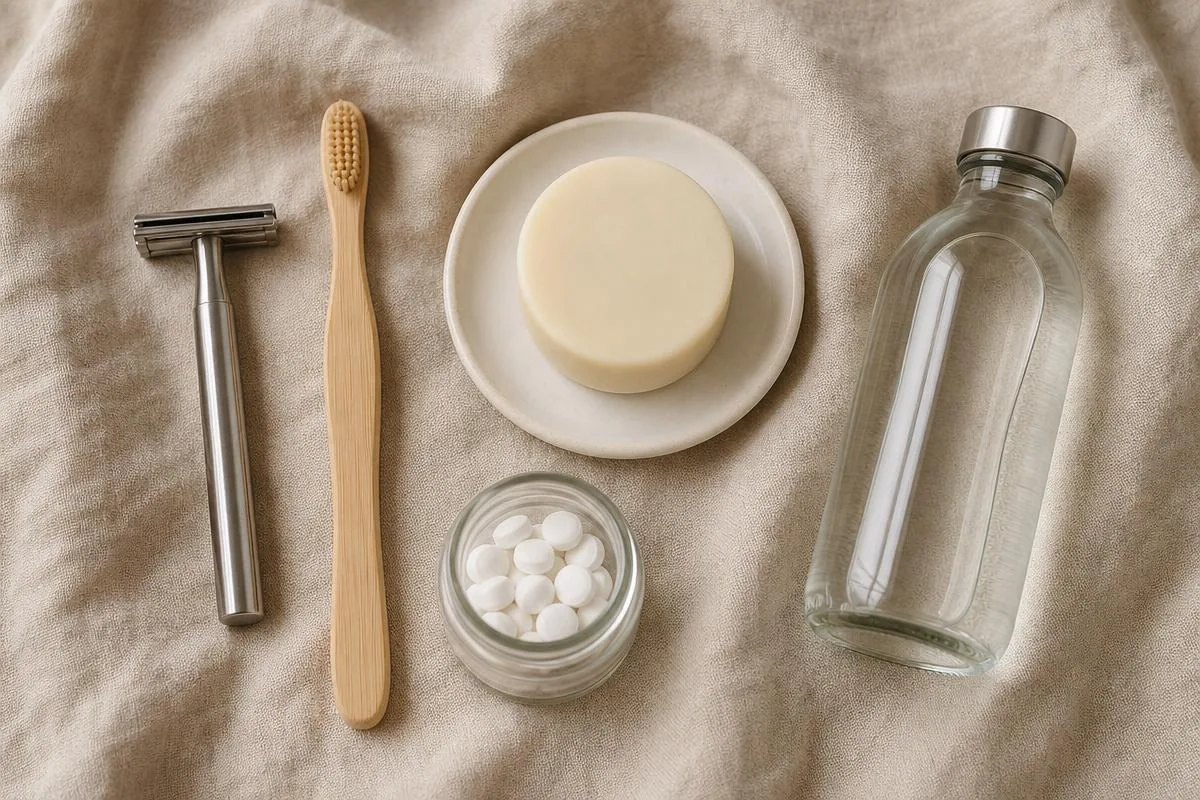
A typical bathroom holds 30 to 50 plastic items at once, bottles, tubes, brushes, razors, packaging. Most are single-use on a months-long timeline: bought, drained, binned. The good news is that the worst offenders cluster in a small number of categories, and each has a clean, equivalent replacement.
Shampoo, conditioner, and body wash bottles are the single largest source of bathroom plastic. A shampoo bar lasts roughly as long as two to three 250 ml bottles and ships in paper. The transition is one wash to adjust to, most people stop noticing by the third.
Cotton swabs and floss are tiny by mass. Replacing them with bamboo or silk versions is a real upgrade, but it will not move your bathroom plastic total much. Focus on bottles and tubes first, they carry most of the weight.
“The most effective swap is the one you actually keep. A perfect zero-waste routine you abandon in three weeks beats nothing, but it loses to a slightly imperfect routine you hold for a year.”
New audits, fresh swaps, and the occasional graph that surprised even us. Unsubscribe whenever you like.
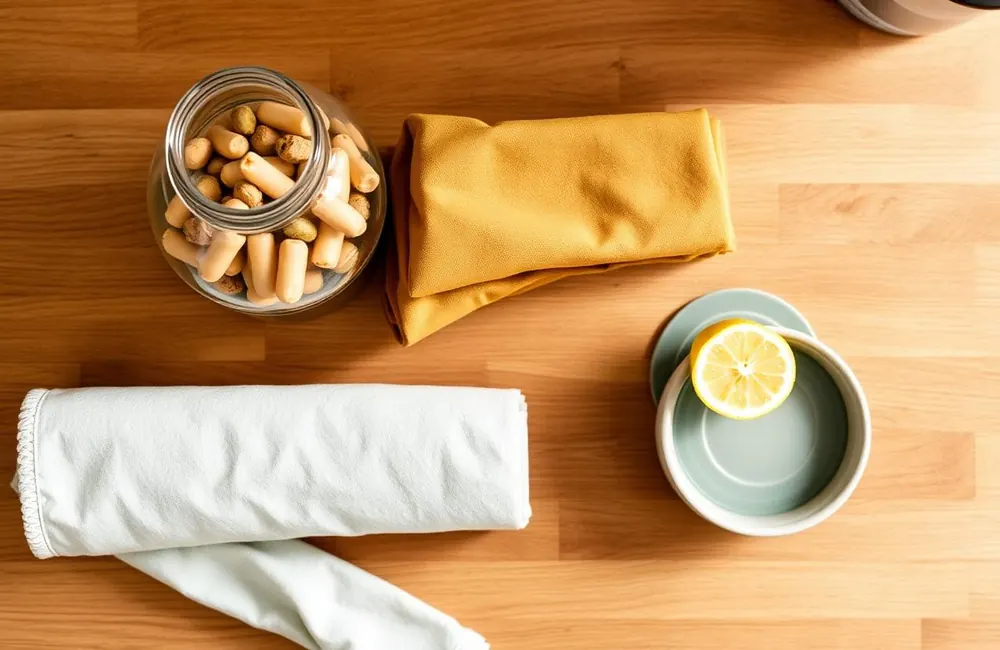
Cling film is the most-used and least-recycled item in most kitchens. Three replacements cover almost every use.
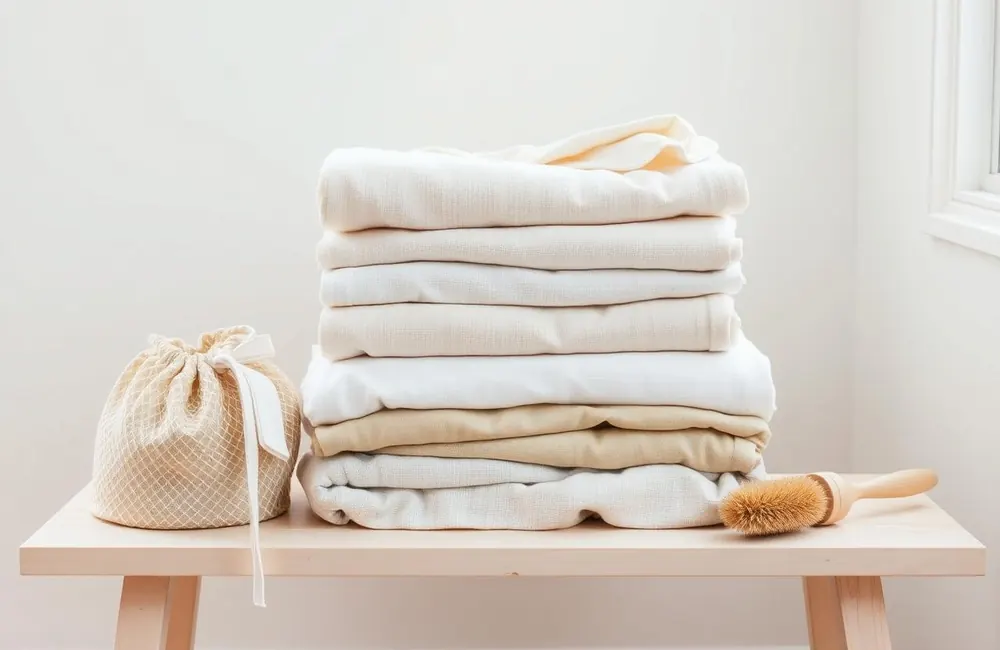
Synthetic clothing sheds plastic fibres in every wash. Two cheap interventions catch most of it before it reaches the ocean.