Laundry7 min read
The microplastic shedding in your laundry
Synthetic clothing sheds plastic fibres in every wash. Two cheap interventions catch most of it before it reaches the ocean.
Synthetic clothing sheds plastic fibres in every wash. Two cheap interventions catch most of it before it reaches the ocean.
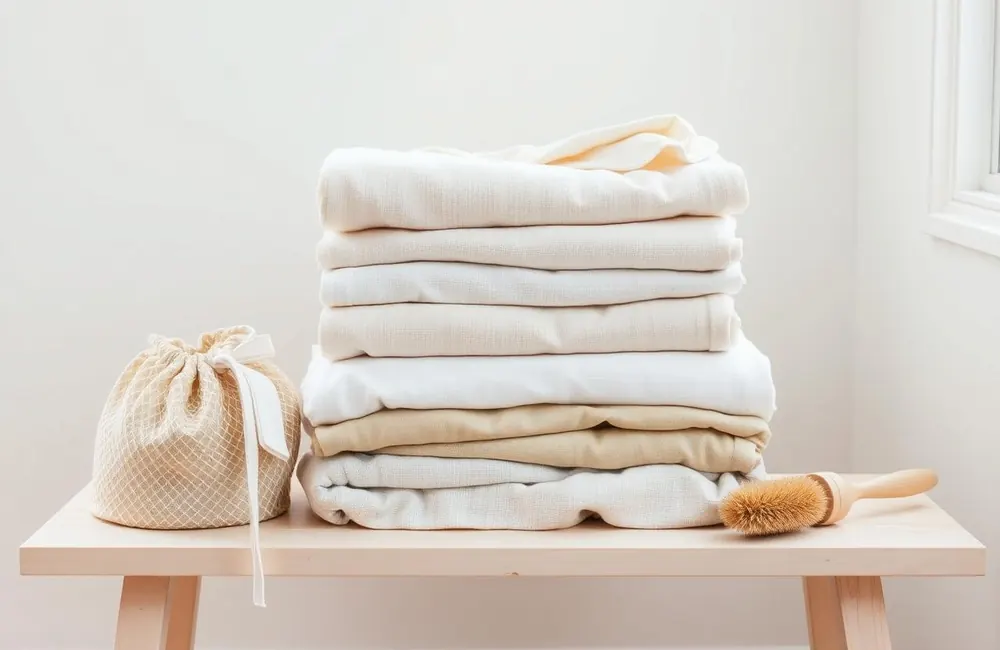
A single 6 kg wash of synthetic fabric can release on the order of 700,000 microfibres into wastewater, and acrylic sheds several times more than polyester. Treatment plants catch most but not all of them. The rest end up in rivers, oceans, and, through the food chain, eventually back in us.
Laundry sheets and powders ship without the heavy plastic jug, and a single sheet is a measured dose, no over-pouring. The chemistry is broadly equivalent to liquid for normal household soils. Heavy stains may still want a pre-treatment.
New audits, fresh swaps, and the occasional graph that surprised even us. Unsubscribe whenever you like.
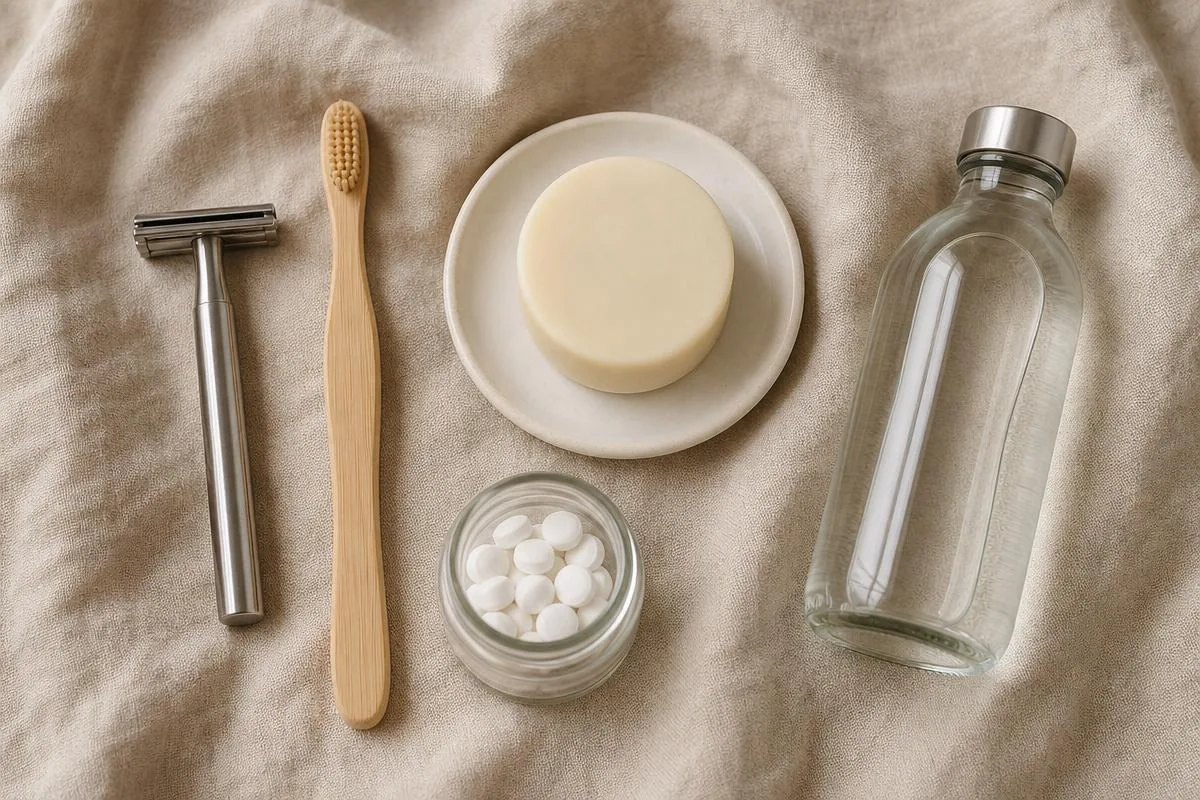
The bathroom is the densest plastic room in most homes. A handful of swaps removes the worst offenders without changing your routine.

Cling film is the most-used and least-recycled item in most kitchens. Three replacements cover almost every use.