Bathroom5 min read
Oral care without the plastic
Toothbrushes, toothpaste tubes and floss containers add up to a kilo of plastic per person per decade. The replacements are unfussy.
Toothbrushes, toothpaste tubes and floss containers add up to a kilo of plastic per person per decade. The replacements are unfussy.
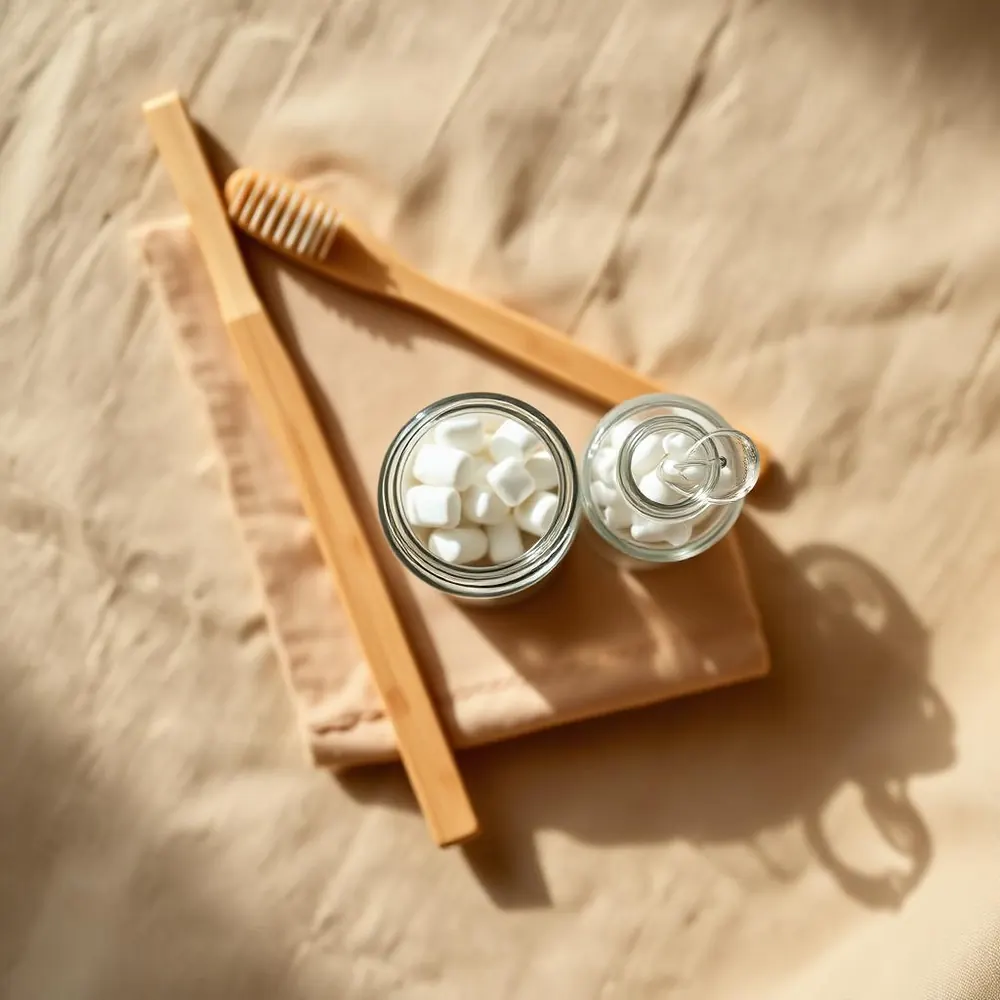
A plastic toothbrush does not meaningfully break down on any human timescale, plastics of that thickness are measured in centuries in the marine-debris literature, and the average adult goes through four a year. Add a toothpaste tube, a multi-layer plastic-aluminium laminate that no curbside system recycles, and a plastic floss dispenser, and you are at about 1kg of unrecyclable plastic per person per decade. Every part has a cleaner equivalent.
A bamboo handle with replaceable plant-fibre or castor-oil-based bristles is the most-supported option today. Fully compostable handles, recyclable bristles in some brands. Replace every three months, same as plastic. Keep one wet rag in the bathroom to wipe the base of the brush dry, the only failure mode of bamboo brushes is mould from sitting in a puddle.
Silk floss in a refillable glass vial is the cleanest option, compostable and packaging-free on refill. For vegan households, plant-based PLA floss in a small refillable container is the next best. Skip the standard nylon floss in a plastic dispenser, almost half the weight is the box.
“Oral care is a category where the swaps cost roughly the same as the originals, last the same length of time, and produce no waste. There is no real argument against them.”
New audits, fresh swaps, and the occasional graph that surprised even us. Unsubscribe whenever you like.
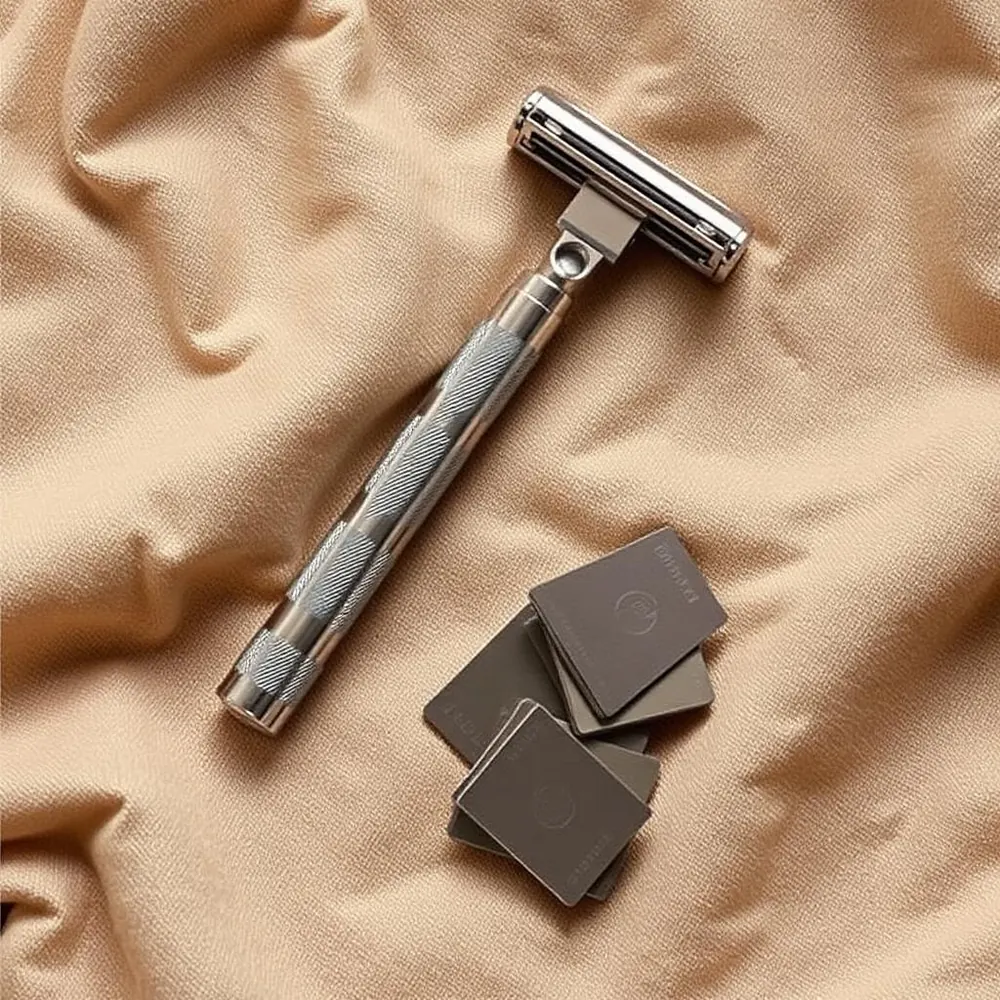
Disposable razors are a quietly enormous waste stream. A safety razor lasts a lifetime, the technique takes about a week to learn.
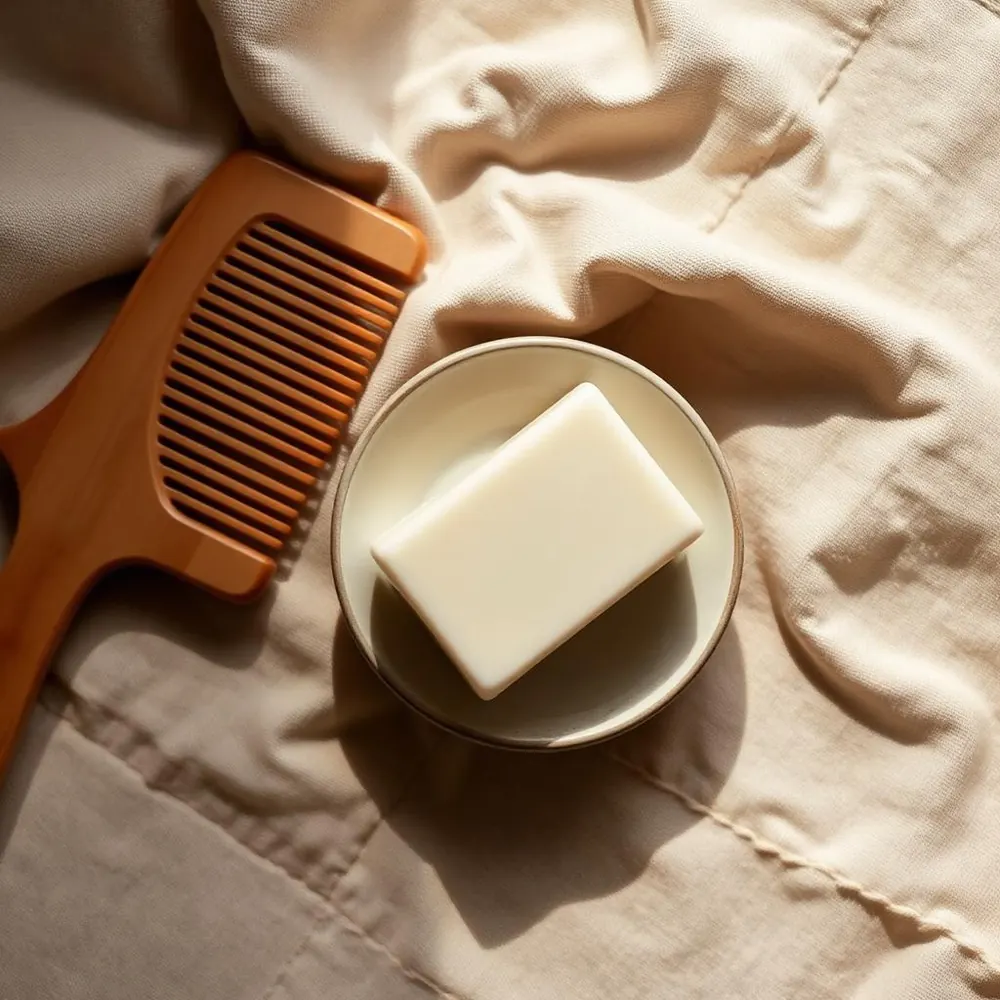
Most people who try shampoo bars give up after a week. The bar is rarely the problem, the water, the technique and the transition are.