Bathroom5 min read
Making a shampoo bar actually work
Most people who try shampoo bars give up after a week. The bar is rarely the problem, the water, the technique and the transition are.
Most people who try shampoo bars give up after a week. The bar is rarely the problem, the water, the technique and the transition are.
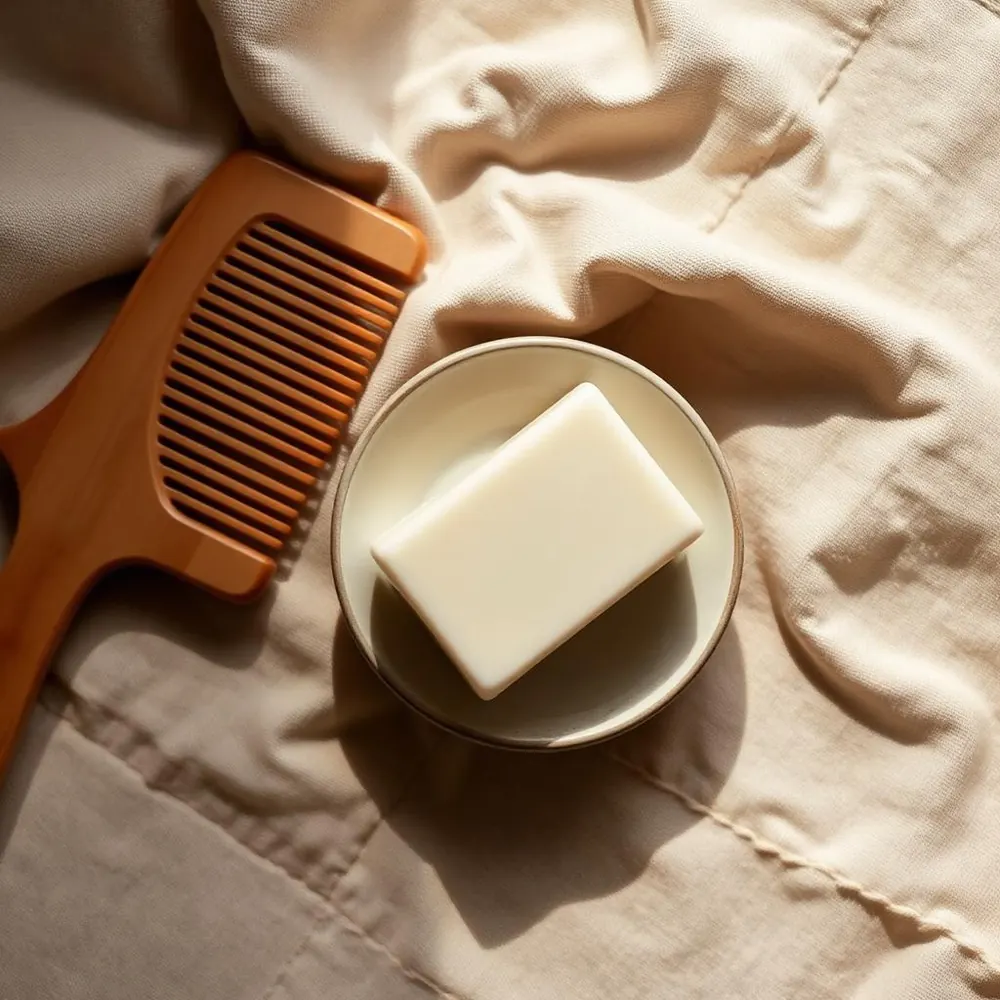
Shampoo bars are the highest-impact single swap in most bathrooms. One bar replaces two to three 250ml bottles, about 60g of HDPE plus a pump dispenser that never recycles. They ship in paper, weigh nothing, and travel through airport security without a bag. The catch: the first ten days can be rough, and most quitting happens there.
Conventional shampoo strips the scalp; the scalp compensates by overproducing oil. When you switch, the oil glands keep going at the old rate for a week or two before recalibrating. The hair feels heavier or waxier during that window. It passes. Push through.
A shampoo bar left in standing water turns to mush in days. Keep it on a draining dish, ideally outside the direct shower spray. Stored dry, a single bar will last three months of daily use.
New audits, fresh swaps, and the occasional graph that surprised even us. Unsubscribe whenever you like.
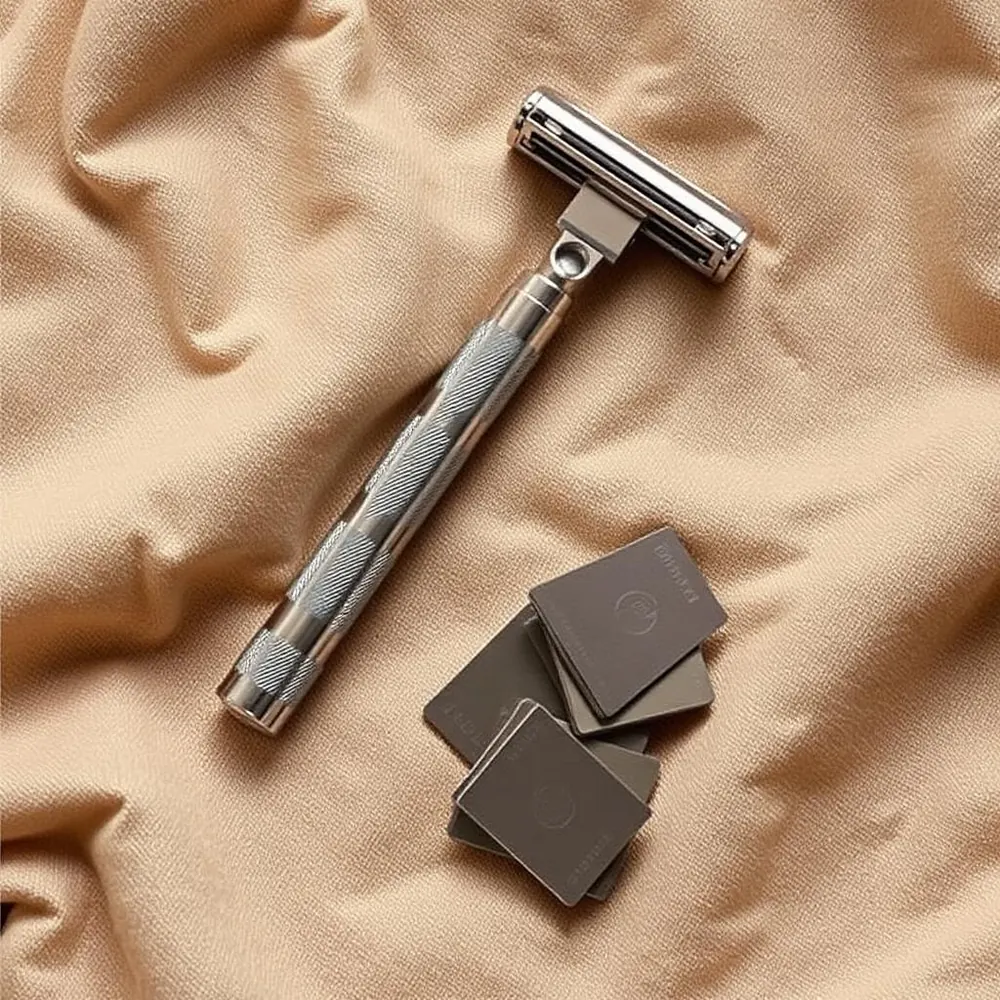
Disposable razors are a quietly enormous waste stream. A safety razor lasts a lifetime, the technique takes about a week to learn.
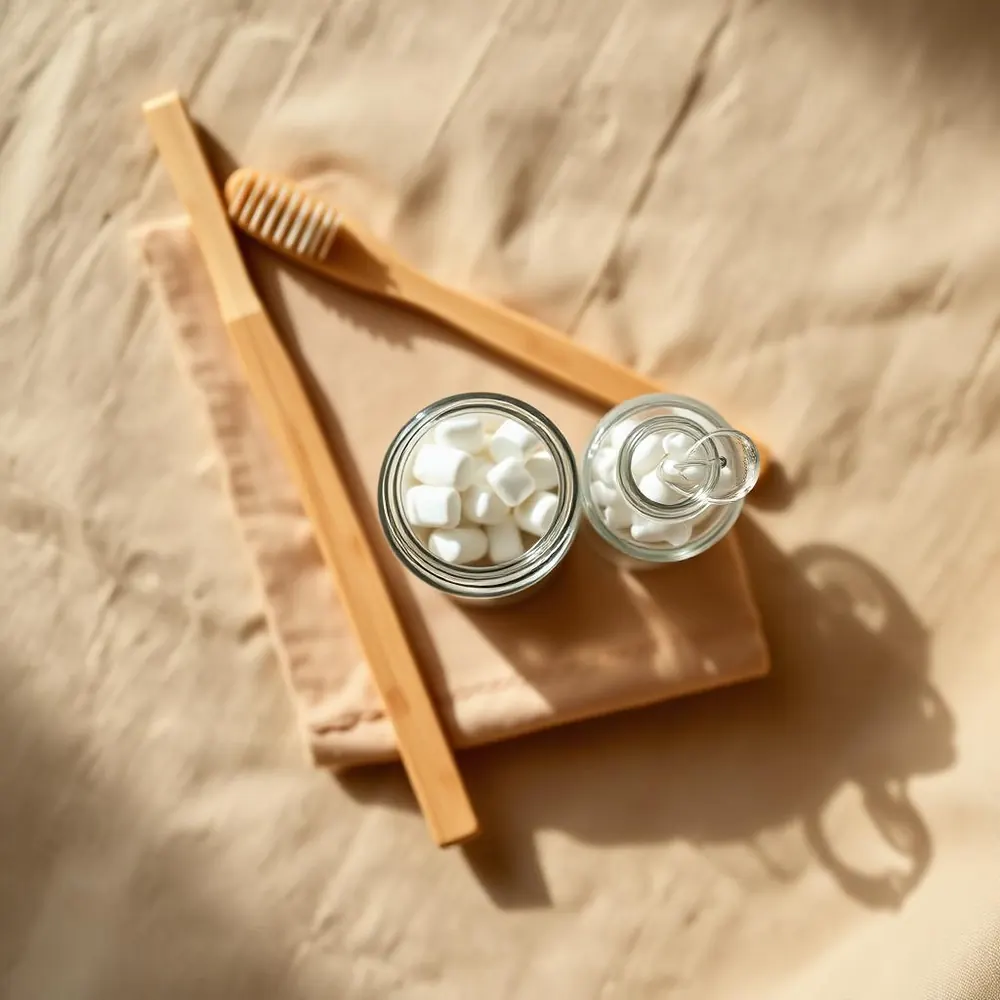
Toothbrushes, toothpaste tubes and floss containers add up to a kilo of plastic per person per decade. The replacements are unfussy.