Bathroom5 min read
Switching to a safety razor without nicking yourself
Disposable razors are a quietly enormous waste stream. A safety razor lasts a lifetime, the technique takes about a week to learn.
Disposable razors are a quietly enormous waste stream. A safety razor lasts a lifetime, the technique takes about a week to learn.
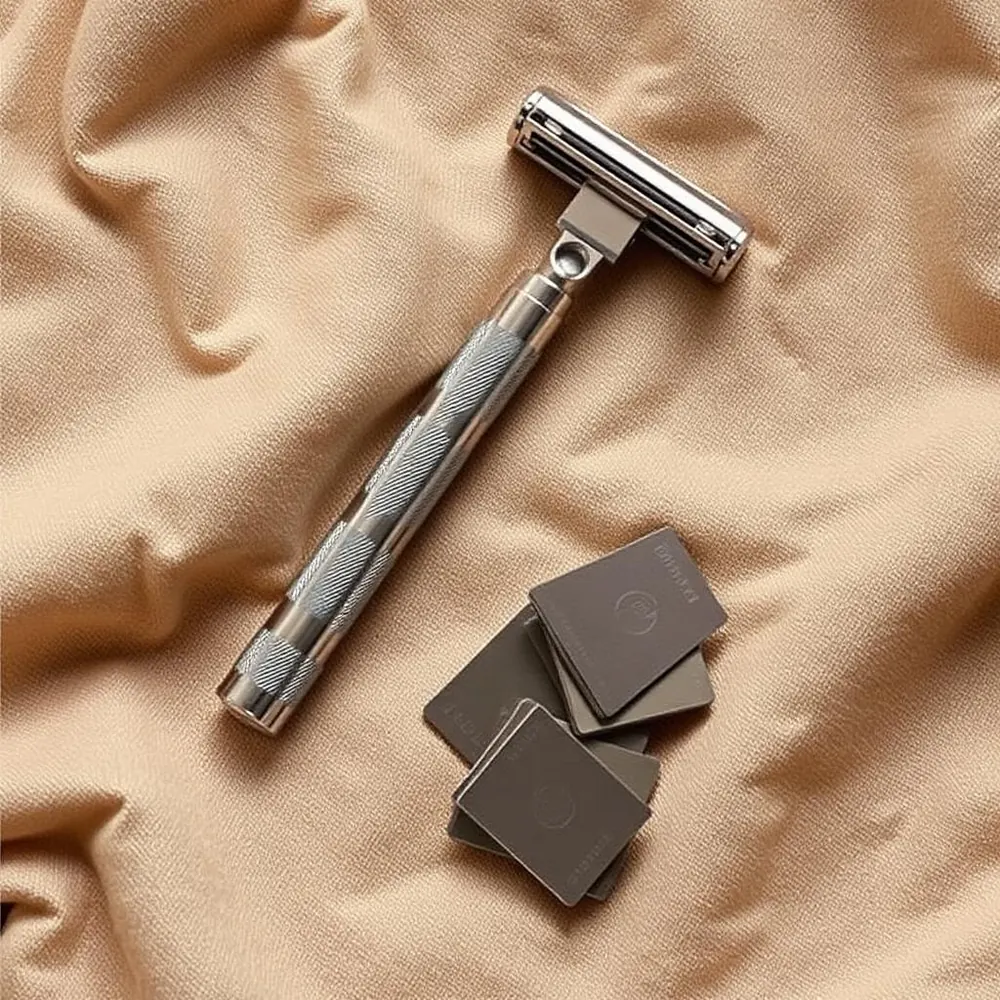
Disposable razors and cartridges are mixed-material units, plastic handle, rubber strip, metal blades bonded into a housing, which is exactly the combination sorting facilities cannot separate, so they are counted as residue rather than recycling. A single safety razor, properly looked after, lasts decades. The blades inside are pure steel and recyclable through a tin blade bank.
Almost every botched first shave comes from the same mistake: pressing. A safety razor has weight on purpose, let it do the work. No pressure, short strokes, follow the grain. Two passes if you want a closer finish, with the second across the grain rather than against it.
Used blades go in a small tin, an old breath-mint tin works perfectly. When full, tape it shut and put it in your metal recycling. Never loose in the bin; never in the household plastic stream.
“The first shave with a safety razor feels slow. By the tenth it feels like the disposable was the strange one all along.”
New audits, fresh swaps, and the occasional graph that surprised even us. Unsubscribe whenever you like.
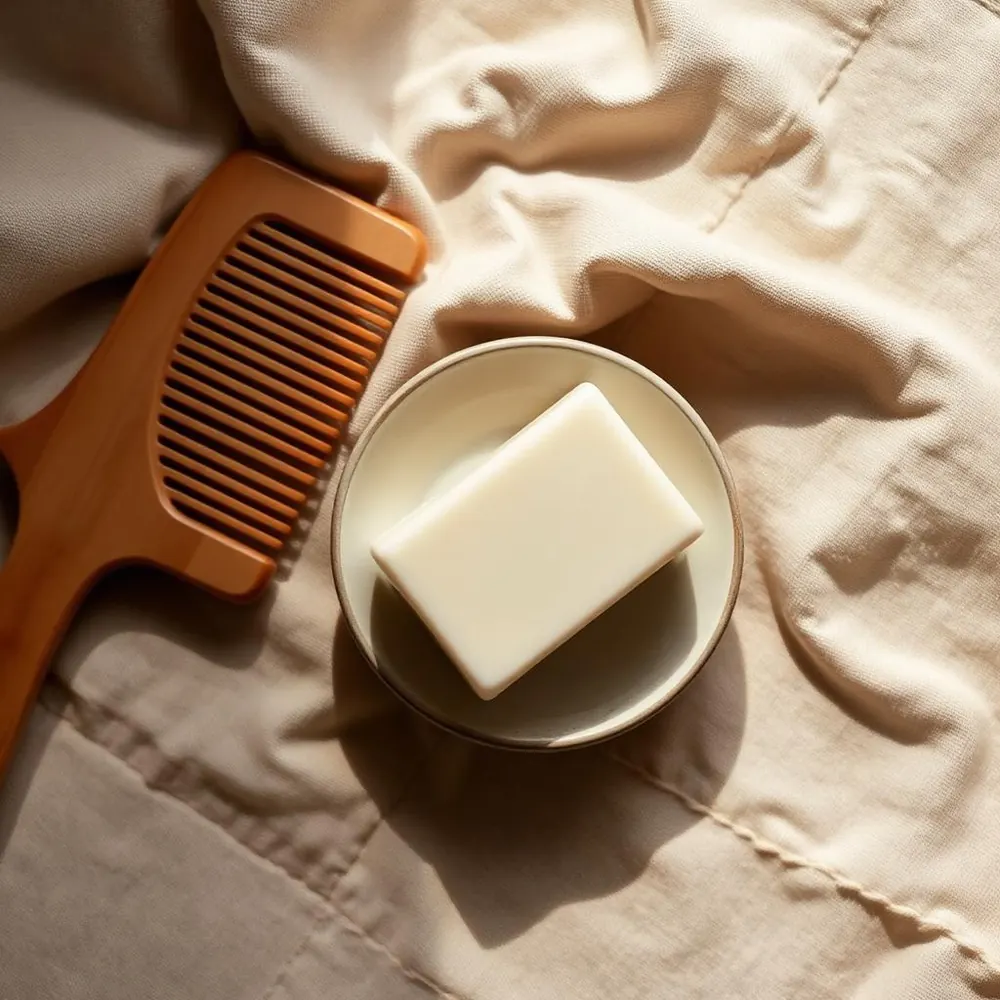
Most people who try shampoo bars give up after a week. The bar is rarely the problem, the water, the technique and the transition are.
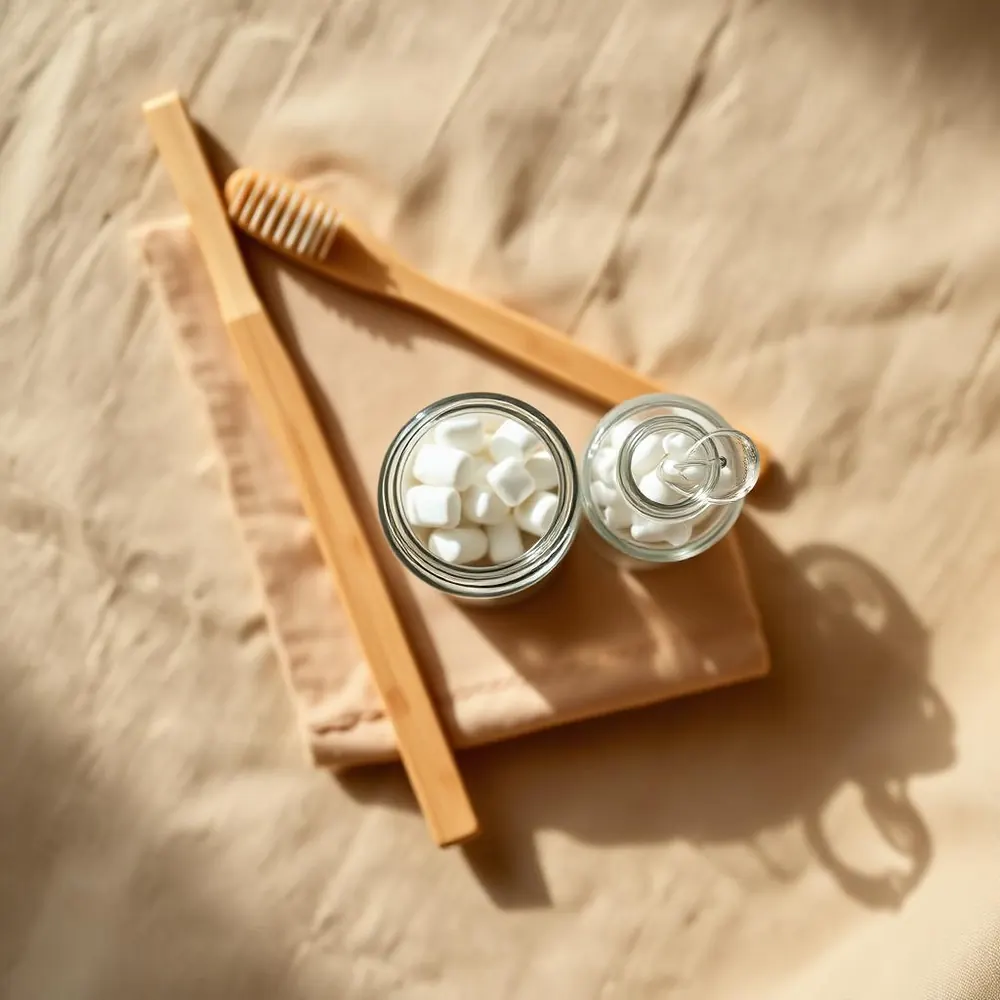
Toothbrushes, toothpaste tubes and floss containers add up to a kilo of plastic per person per decade. The replacements are unfussy.