Kitchen5 min read
Brewing better coffee with no waste
Coffee pods are the most quietly disastrous category in the kitchen. Three brewing methods make better coffee with none of it.
Coffee pods are the most quietly disastrous category in the kitchen. Three brewing methods make better coffee with none of it.
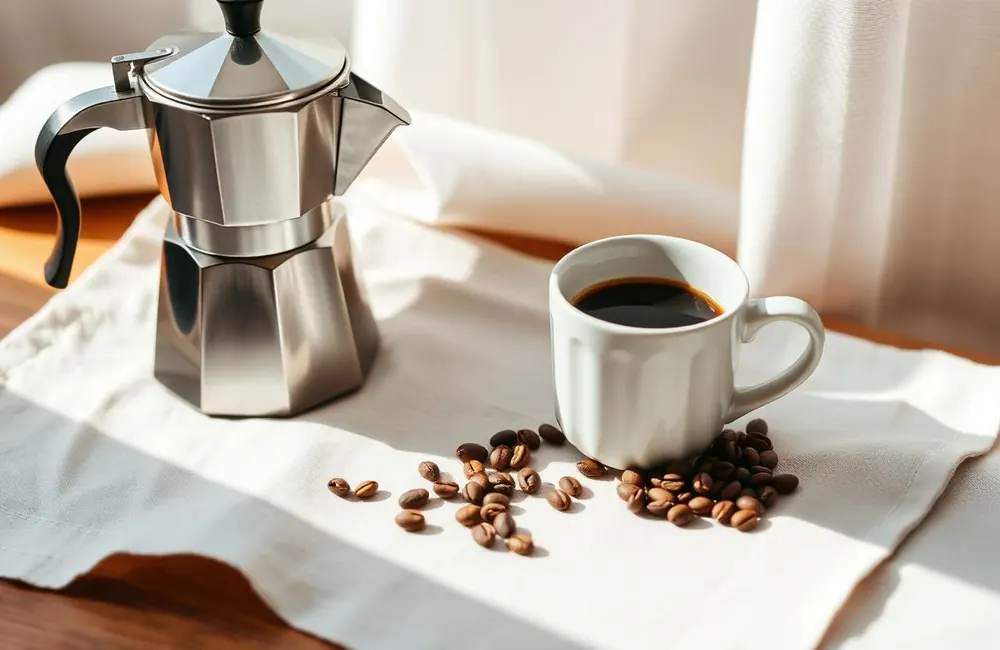
Coffee pods carry an exceptional packaging-to-product ratio: on our scales, about 3g of aluminium or mixed plastic per 7g of coffee. Packaging is a small share of coffee's total footprint compared with growing and brewing it, but the pod is the one part that is thrown away intact after ninety seconds. The good news: home coffee that beats pod coffee is genuinely easy.
Pre-ground coffee is stale by the time you open the bag. A hand grinder costs less than a single month of pods and grinds enough for two cups in about a minute. Buy beans from a local roaster in a paper bag, most will refill a container if you bring one.
Compost them. If you do not have a composter, used grounds are excellent for the bottom of plant pots, garden soil, or, sprinkled lightly, under acid-loving plants like blueberries and rhododendrons.
New audits, fresh swaps, and the occasional graph that surprised even us. Unsubscribe whenever you like.
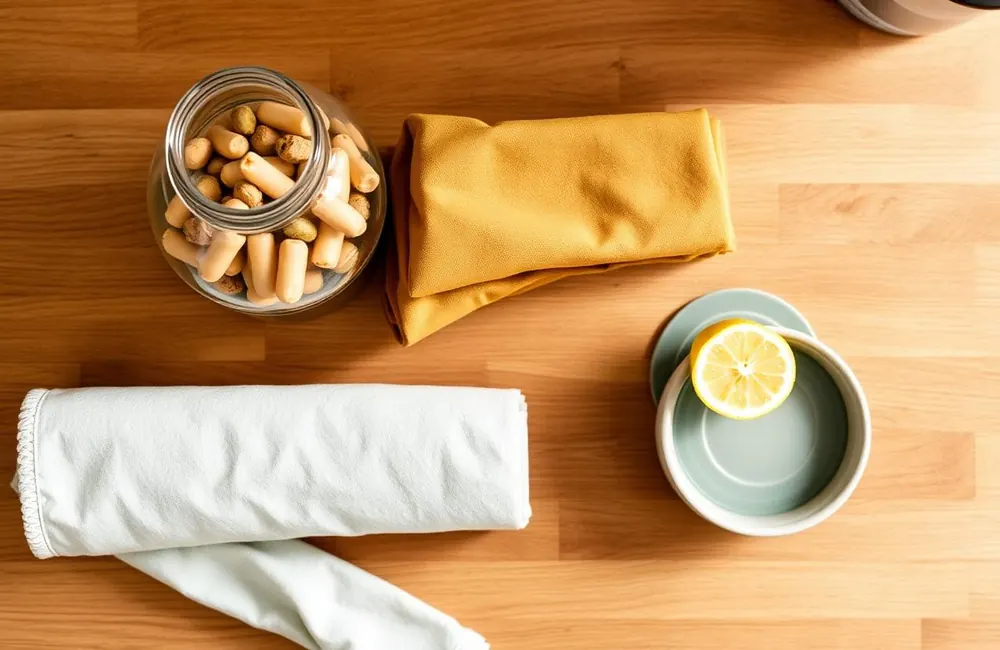
Cling film is the most-used and least-recycled item in most kitchens. Three replacements cover almost every use.
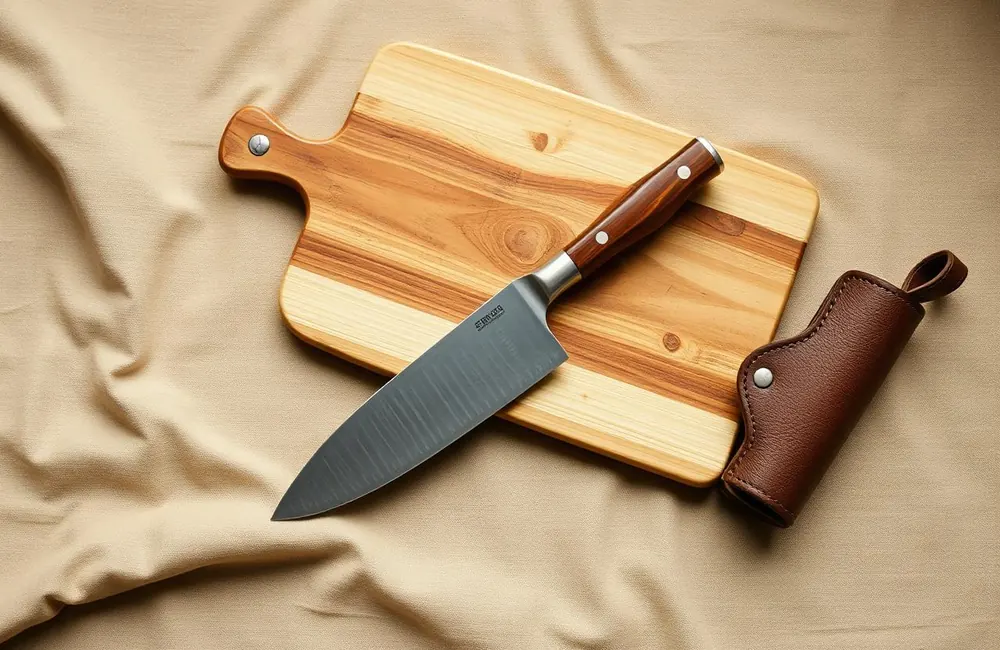
A knife block is one of the highest-waste corners of the kitchen. One good chef's knife, cared for properly, replaces almost all of it.