Beeswax Wrap vs Cling Film
Beeswax wins on lifespan and end-of-life, cling film is single-use polyethylene.
Cling film is a thin, food-contaminated PVC or LDPE sheet that no curbside facility accepts. A beeswax wrap is cotton sealed in food-grade wax, washed cold, and reused for a year.
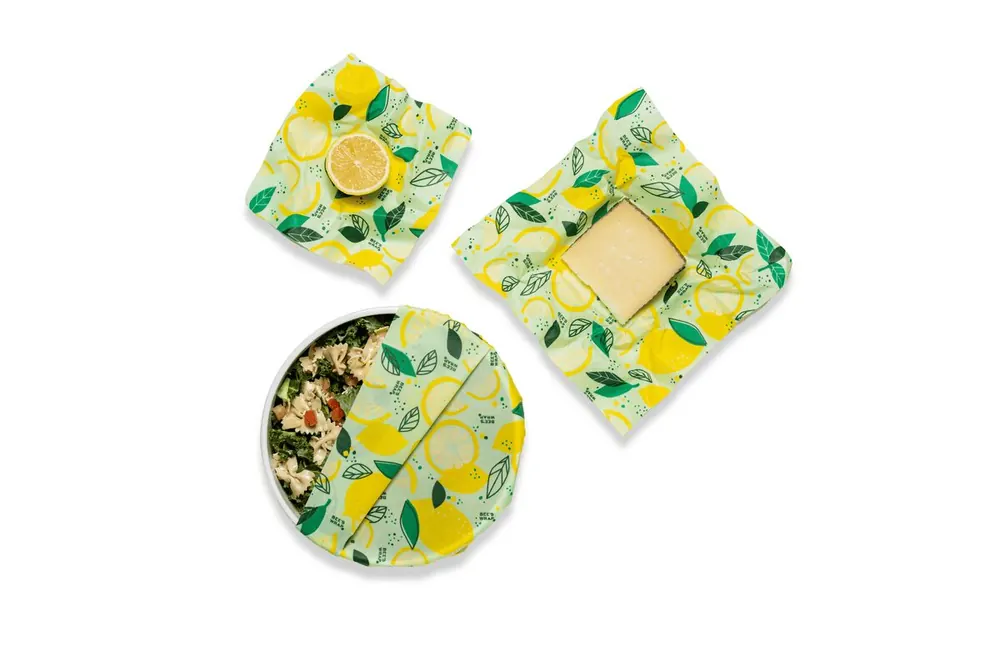
Beeswax food wrap
- Plastic / use
- 0g
- Lifespan
- ~1 year
- Recyclability
- 100%
- Decomposes
- 1 yr
- +Compostable
- +Forms a seal with body heat
- +Naturally antibacterial
- −Not suitable for raw meat
- −Loses tackiness after ~150 washes
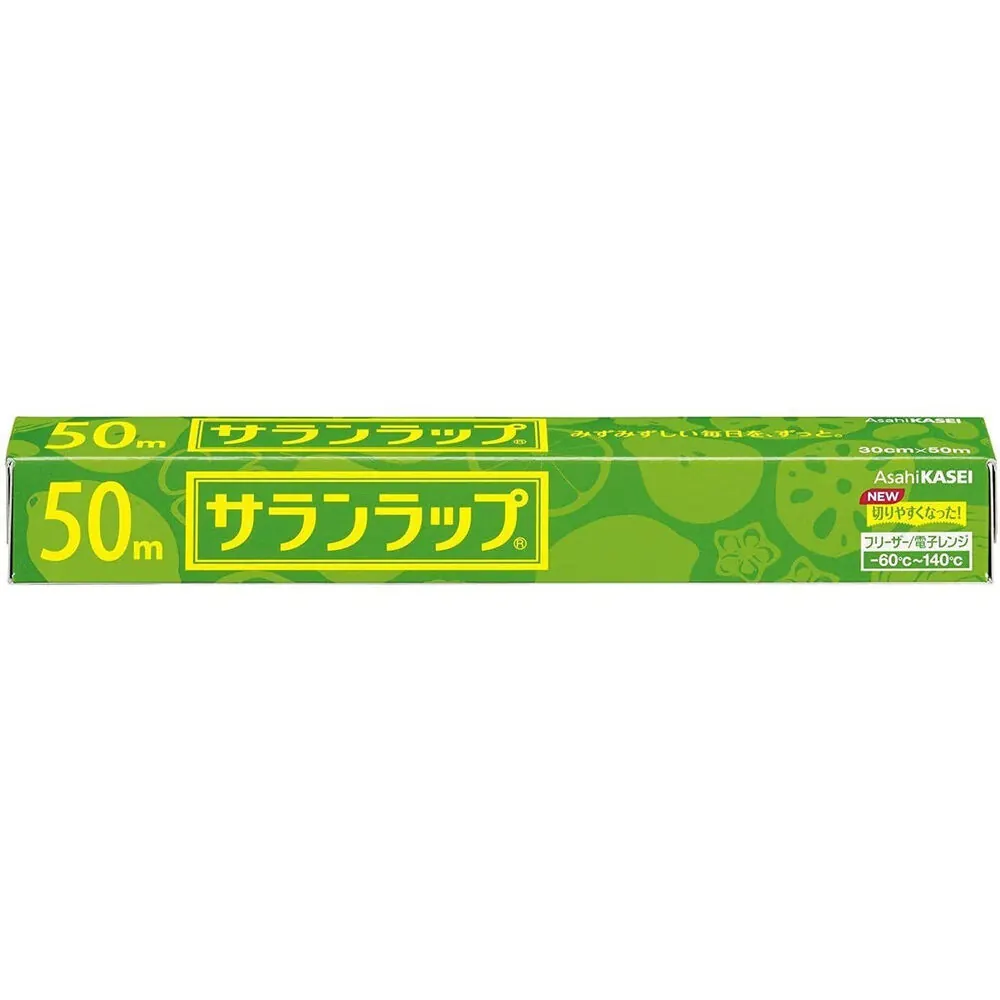
Plastic cling film
- Plastic / use
- 2g
- Lifespan
- Single use
- Recyclability
- 0%
- Decomposes
- 20-200 yr
- +Cheap per sheet
- +Works on every surface
- −Never recyclable post-food-contact
- −PVC variants release chlorine if incinerated
- −Single-use
Breakdown times are modelled ranges from lab and field studies, not measured lifetimes. Real conditions (sunlight, heat, water, landfill) change them a lot, and plastic breaks into microplastics rather than disappearing. See our method.
The differences
| Beeswax | Cling film | |
|---|---|---|
| Material | Cotton + beeswax + jojoba oil | LDPE or PVC film |
| Lifespan | ~1 year (daily use) | Single use |
| Compostable | Yes | No |
| Raw meat safe | No | Yes |
| Plastic per use | ~0g | ~2g per sheet |
Why one wins
Beeswax wraps mould to bowls and produce with the warmth of your hands. They wash cold with mild soap, last roughly a year of daily use, and compost at end-of-life.
Cling film's barrier performance is marginally better for raw meat, but for sandwiches, cheese, and produce, a beeswax wrap is functionally identical.
One 3-pack of wraps replaces approximately 9 rolls of cling film over the course of a year.