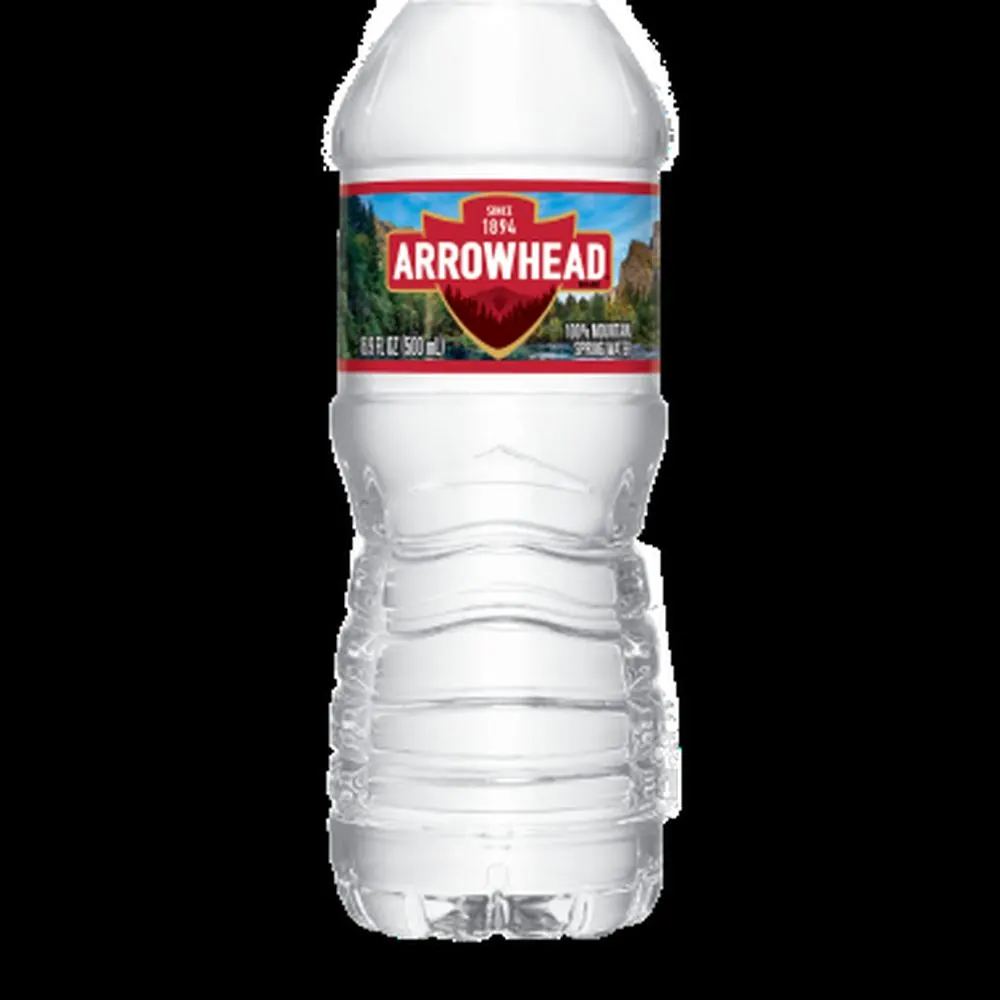
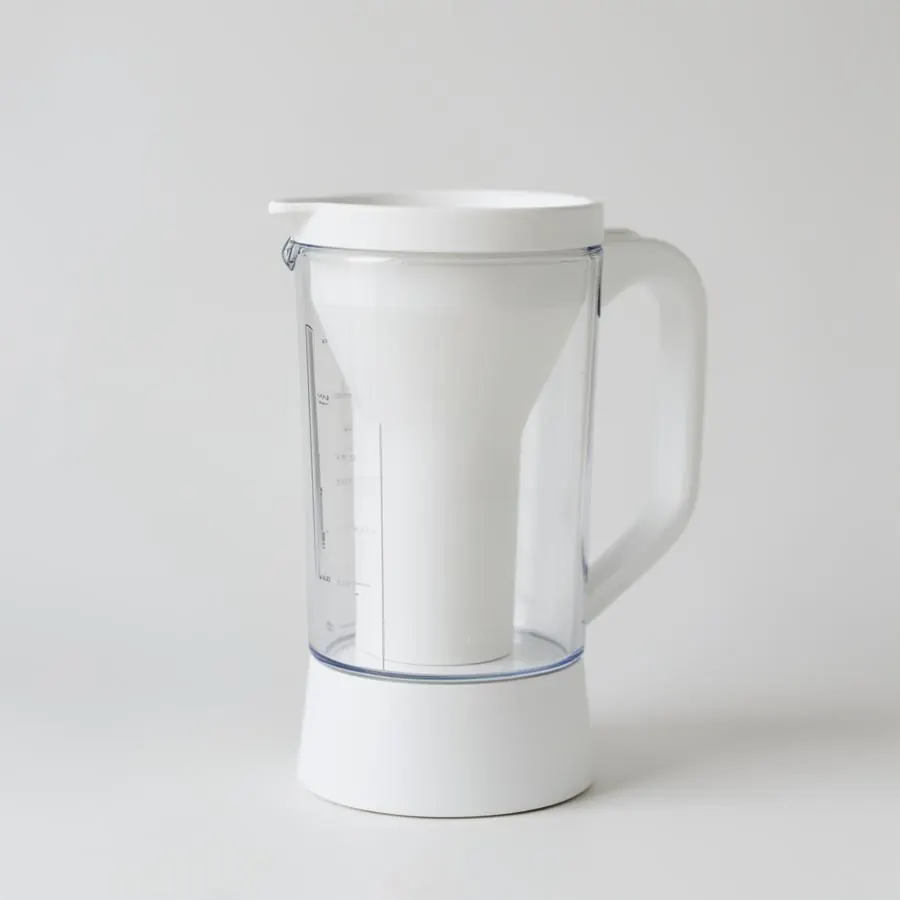
Reusable vs Disposable Bottle
Reusable wins, one stainless bottle ends a decade of PET.
A single-use bottle is emptied in one sitting and then lasts for centuries. Field studies find conventional PET losing only a few percent of its mass after nine months at sea, and no measurement supports the widely quoted 450 years, so treat persistence as a very long modelled range. A stainless reusable is built to outlast you.
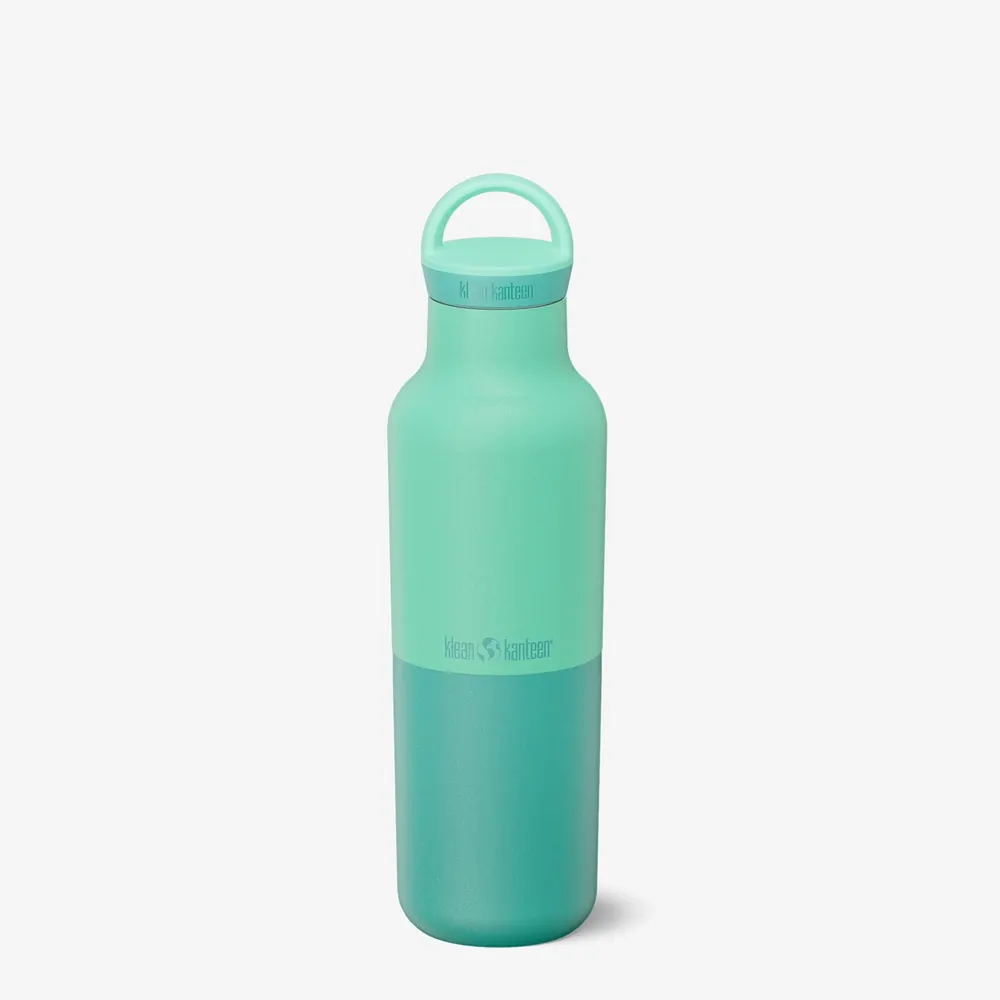
Insulated stainless bottle
- Plastic / use
- 0g
- Lifespan
- 10+ years
- Recyclability
- 100%
- Decomposes
- 50 yr
- +Indefinite reuse
- +No microplastic leaching
- +Fully recyclable steel at end of life
- −Higher upfront cost (~$30)
- −Heavier to carry
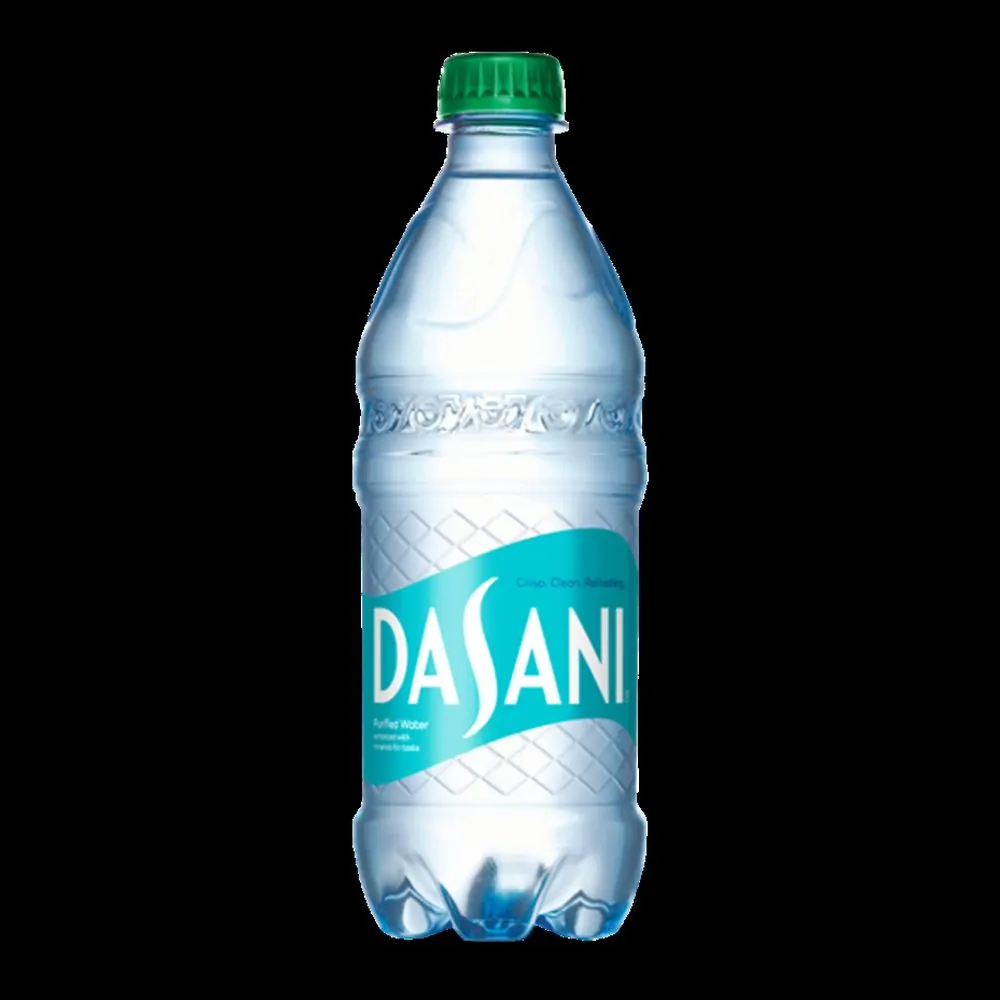
Single-use PET bottle
- Plastic / use
- 10g
- Lifespan
- Single use
- Recyclability
- 30%
- Decomposes
- 200-600 yr
- +Cheap per unit
- +Universally available
- −Leaches microplastic when warm
- −Only ~9% of all plastic ever produced has been recycled
- −Single-use lifecycle
Breakdown times are modelled ranges from lab and field studies, not measured lifetimes. Real conditions (sunlight, heat, water, landfill) change them a lot, and plastic breaks into microplastics rather than disappearing. See our method.
The differences
| Reusable | Disposable | |
|---|---|---|
| Material | 18/8 stainless steel | PET plastic |
| Lifespan | 10+ years | Single use |
| Plastic per bottle | ~0g | ~10g per 500ml |
| Leaches microplastic | No | Yes, especially when warm |
| Recycled globally | Reused, not recycled | ~9% of all plastic ever |
Why one wins
PET bottles are technically recyclable, but the system rarely closes the loop: of all plastic ever produced, only about 9% has been recycled (Geyer et al. 2017), and even for PET bottles most collected material is downcycled into fibre or trays rather than returned to food-grade bottles.
Insulated stainless steel has no liner, doesn't leach BPA or microplastics into the water, and tolerates impact and dishwashers indefinitely. A single bottle replaces hundreds of single-use bottles a year for a daily user, roughly 730 over the lifetime counted here.
The carbon break-even point is typically reached within 4-8 weeks of replacing single-use PET, every use after that is a net win.