Menstrual Cup vs Tampons
The cup wins, one silicone cup replaces an estimated 2,400 tampons over its life.
A medical-grade silicone menstrual cup is rated for 10 years of use. In that decade, the average person uses approximately 2,400 tampons.
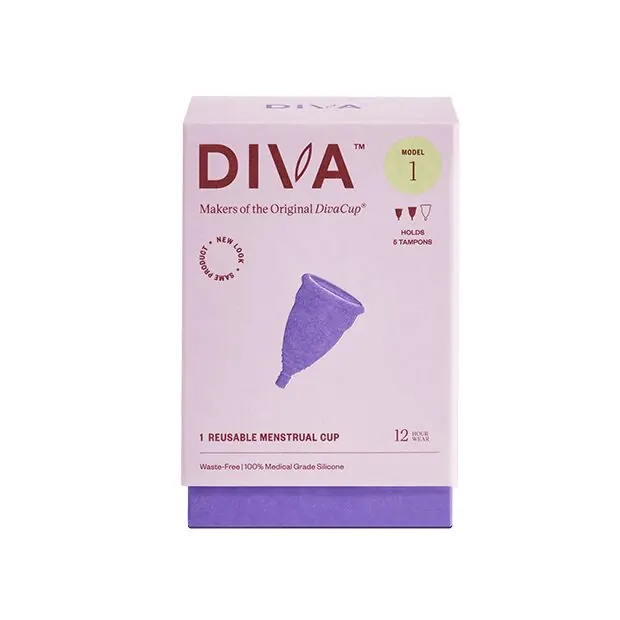
Medical-grade silicone cup
- Plastic / use
- 0g
- Lifespan
- 10 years
- Recyclability
- 10%
- Decomposes
- ,
- +10-year lifespan
- +2-3× the capacity of a regular tampon
- +Lower TSS risk than tampons
- −Insertion has a learning curve
- −Needs sterilising boil between cycles
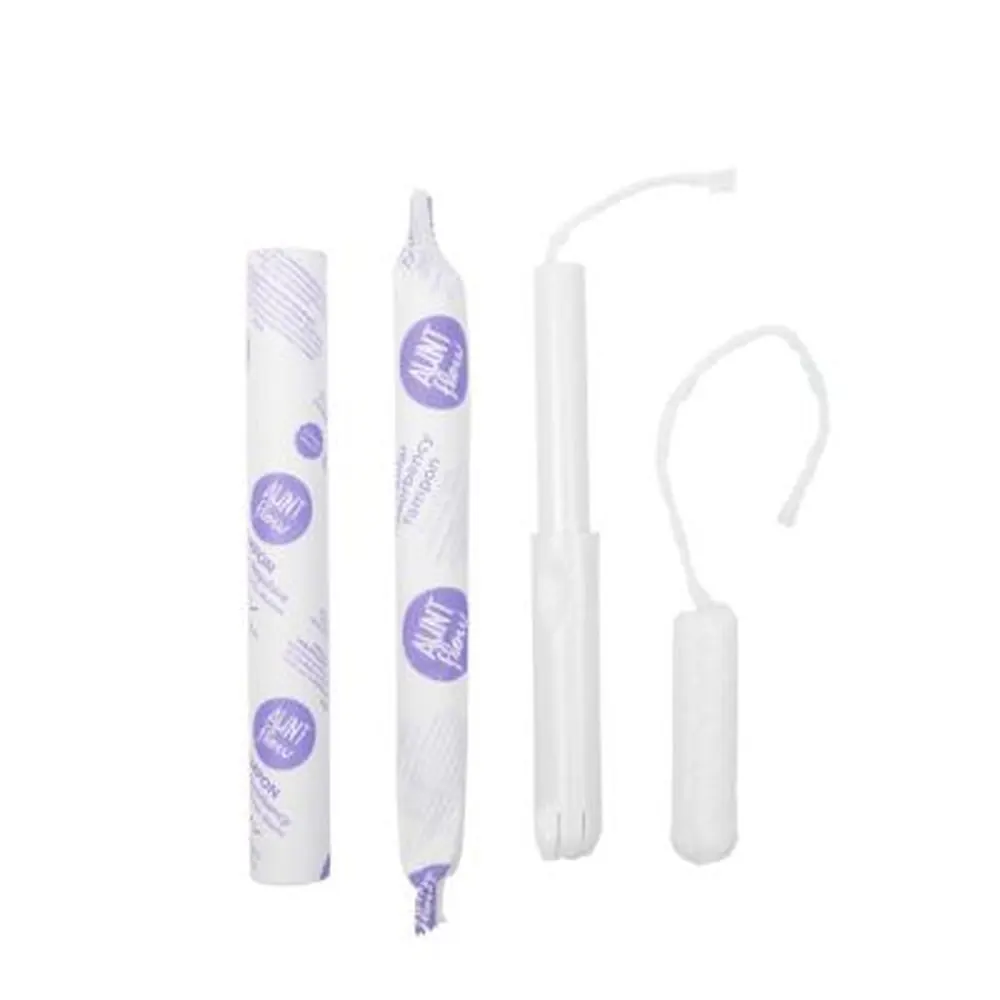
Single-use tampons with applicator
- Plastic / use
- 2.3g
- Lifespan
- 4-8 hours
- Recyclability
- 0%
- Decomposes
- 20-200 yr
- +No learning curve
- +Disposable convenience
- −Plastic applicator + wrapper per use
- −Biohazard classification, never recycled
- −Cost compounds across a lifetime
Breakdown times are modelled ranges from lab and field studies, not measured lifetimes. Real conditions (sunlight, heat, water, landfill) change them a lot, and plastic breaks into microplastics rather than disappearing. See our method.
The differences
| Cup | Tampons | |
|---|---|---|
| Lifespan | 10 years | 4-8 hours |
| Units per decade | 1 | ~2,400 |
| Plastic per cycle | ~0g | ~25g (applicator + wrappers) |
| Cost over 10 years | ~$30 | ~$1,500 |
| Curbside disposable | No (10-year reuse) | Landfill only |
Why one wins
Tampons themselves are mostly cotton, but the applicator, wrapper, string, and outer carton are all single-use plastic. Across 10 years, that's ~5.5kg of plastic per person, none of it recyclable due to biohazard rules.
A menstrual cup is a single piece of platinum-cured silicone, boiled to sterilise between cycles. Capacity is 2-3× a regular tampon, meaning fewer changes and less leakage.
Cost amortises in under a year. Beyond that, the cup is effectively free for the next nine.