Filter Jug vs Bottled
A filter jug wins by a wide margin, even after counting every cartridge you will ever throw away.
People buy bottled water for taste and for trust in the tap. A filter jug addresses both for a fraction of the plastic, but only if you count the cartridges honestly, which most comparisons do not.
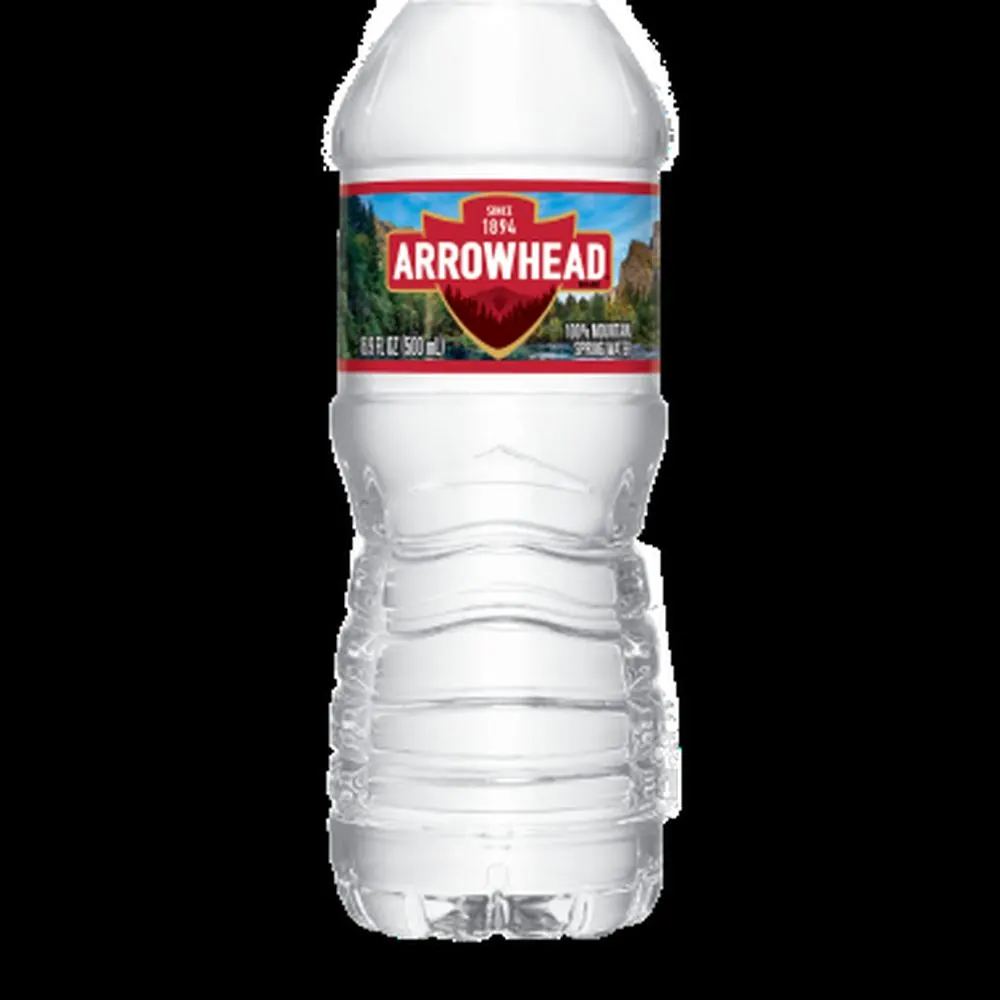
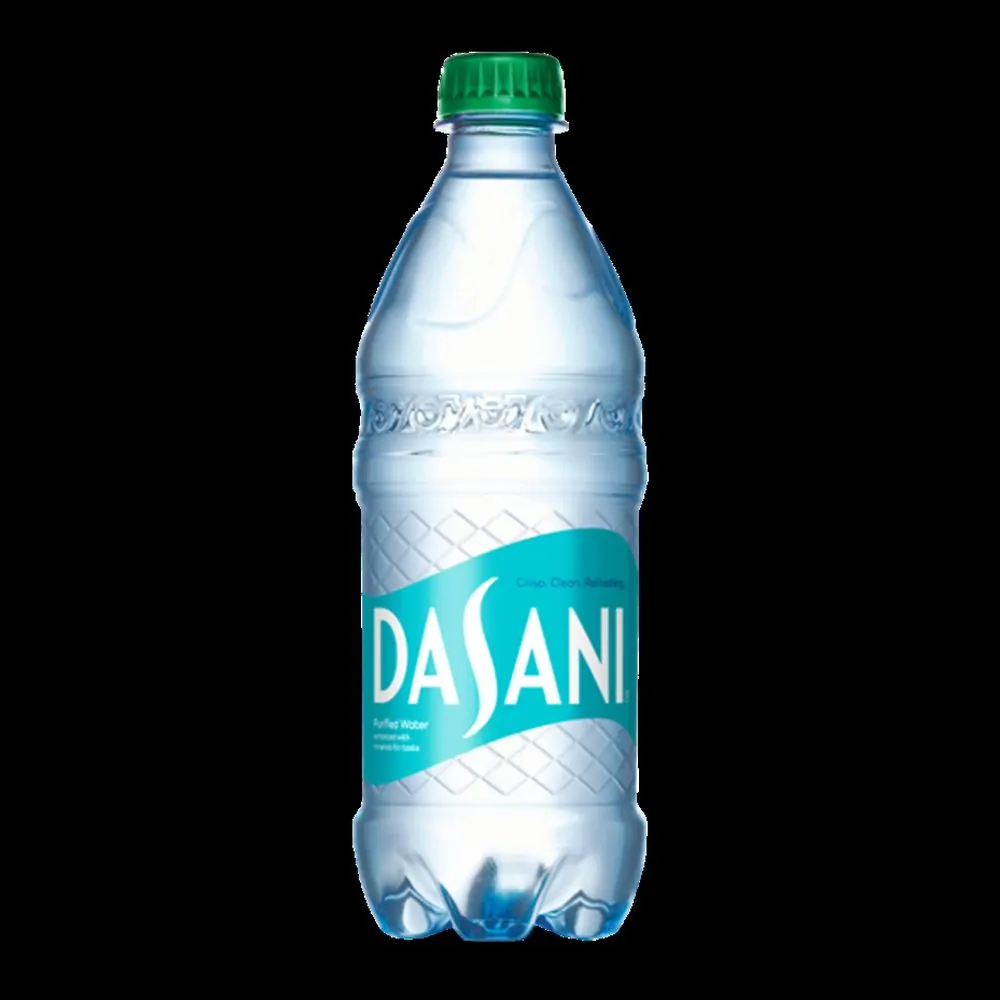
Bottled water
- Plastic / use
- 10g
- Lifespan
- Single use
- Recyclability
- 30%
- Decomposes
- 100-400 yr
- +Consistent taste
- +Sealed and portable
- +No maintenance
- −~730 bottles a year for a two-litre habit
- −Roughly nine times the plastic of a jug and cartridges
- −The most expensive way to drink water
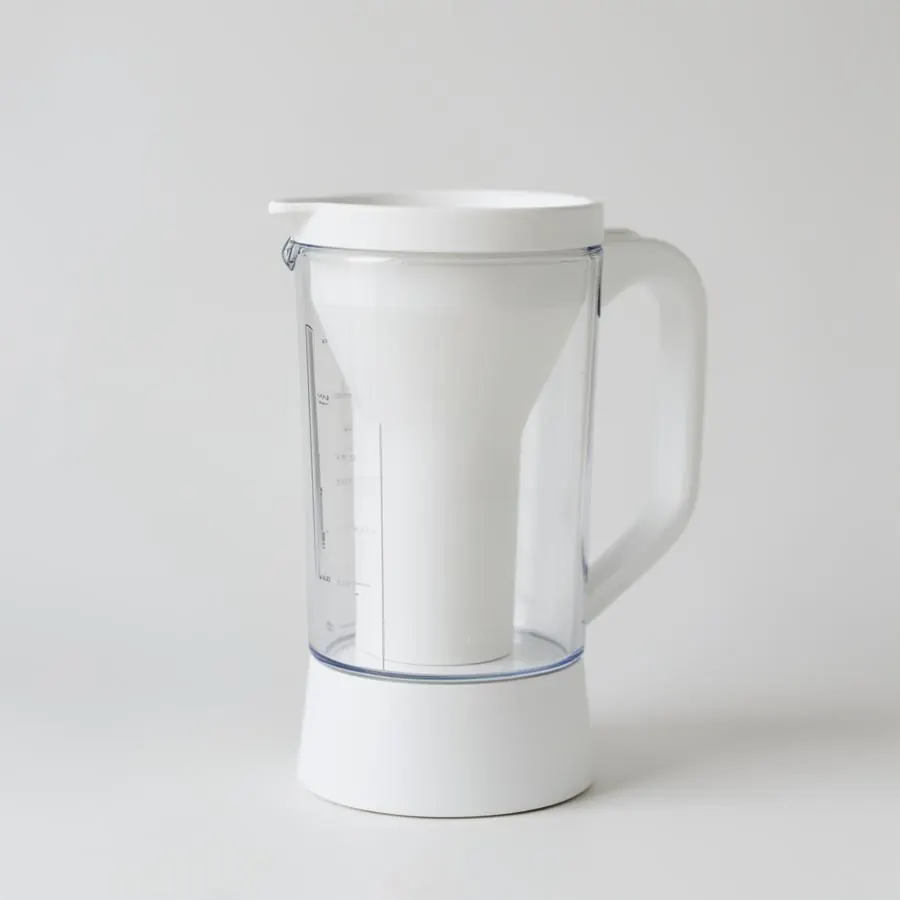
Filter jug
- Plastic / use
- 1.1g
- Lifespan
- Jug: 5+ years
- Recyclability
- 60%
- Decomposes
- ,
- +About a tenth of the plastic
- +Cartridge take-back schemes exist
- +A tenth of the annual cost
- −Cartridges are still consumables
- −Needs changing on schedule or it goes bad
- −Not a fix for unsafe water
Breakdown times are modelled ranges from lab and field studies, not measured lifetimes. Real conditions (sunlight, heat, water, landfill) change them a lot, and plastic breaks into microplastics rather than disappearing. See our method.
The differences
| Bottled | Filter jug | |
|---|---|---|
| Plastic per year (2L/day) | ~7.3kg of PET bottles | ~0.8kg of cartridges |
| Units thrown away per year | ~730 bottles | 6-12 cartridges |
| Take-back scheme | Rare | Offered by most major brands |
| Cost per year | ~$400+ | ~$45 including cartridges |
| Transport footprint | Water shipped by road | None, it is already in the pipe |
| Removes | N/A, bottled at source | Chlorine taste, hardness, some metals |
Why one wins
Two litres of bottled water a day is roughly 730 bottles a year: about 7.3kg of PET, most of which is never turned back into a bottle.
A filter jug uses around 6-12 cartridges a year. Each cartridge is roughly 70g of plastic housing plus carbon and resin, call it 800g a year at the high end. That is about a tenth of the bottle plastic, counted fairly.
Several major brands run cartridge take-back and recycling schemes, which the bottles have no equivalent of at anything like the same recovery rate.
Cost is not close: bottled water runs in the hundreds per year, a jug and its cartridges in the tens.