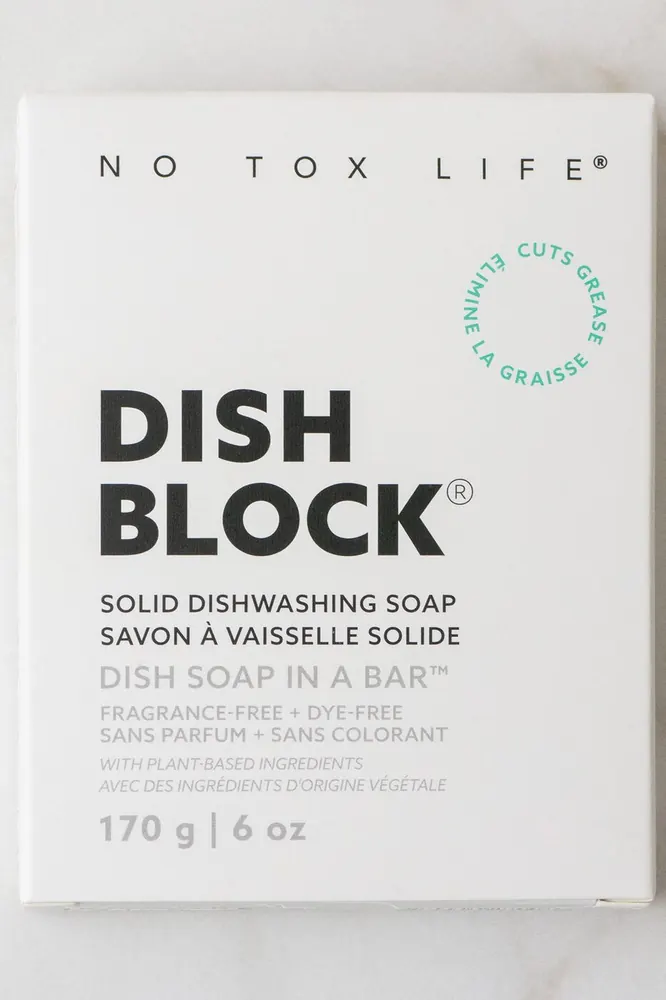
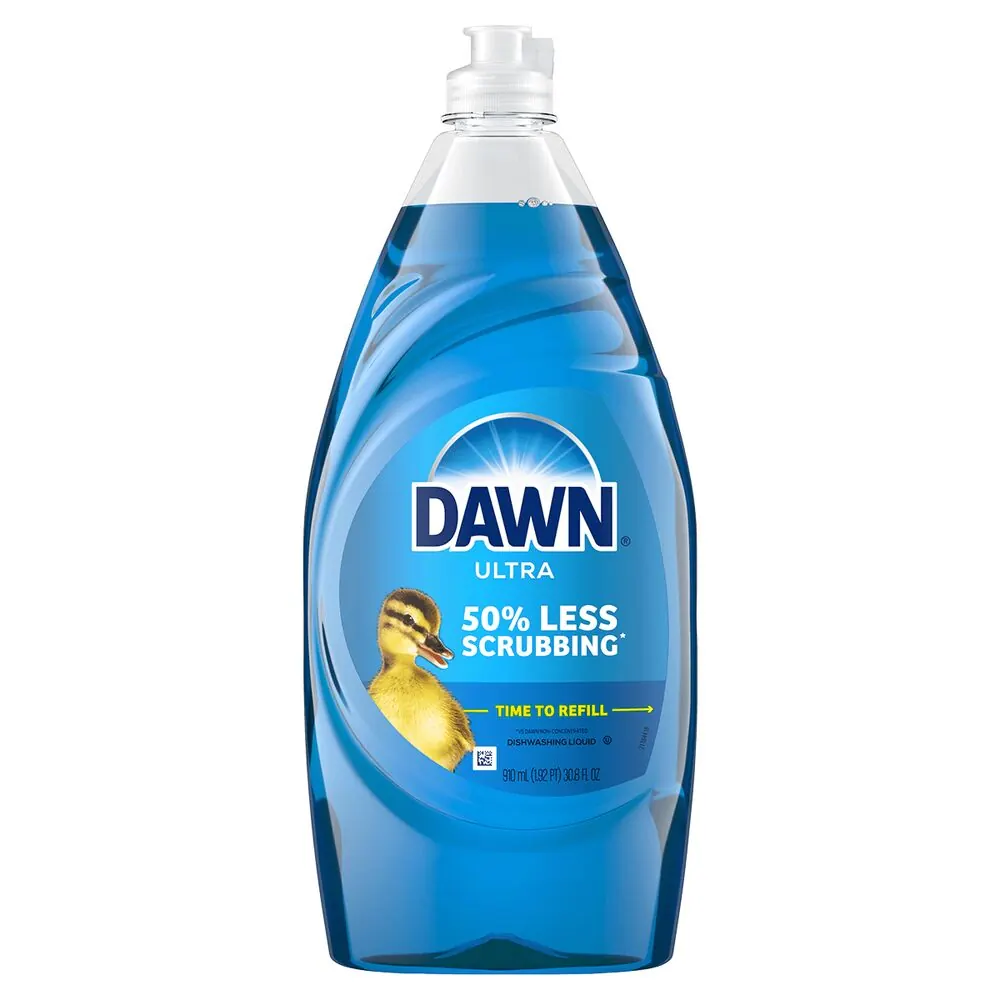
Laundry Sheets vs Liquid Detergent
Sheets win on packaging, but read the surfactant list.
A jug of liquid laundry detergent is ~70% water in an HDPE bottle. Pre-measured sheets are the same surfactants dehydrated onto a dissolvable film, in a paper sleeve.
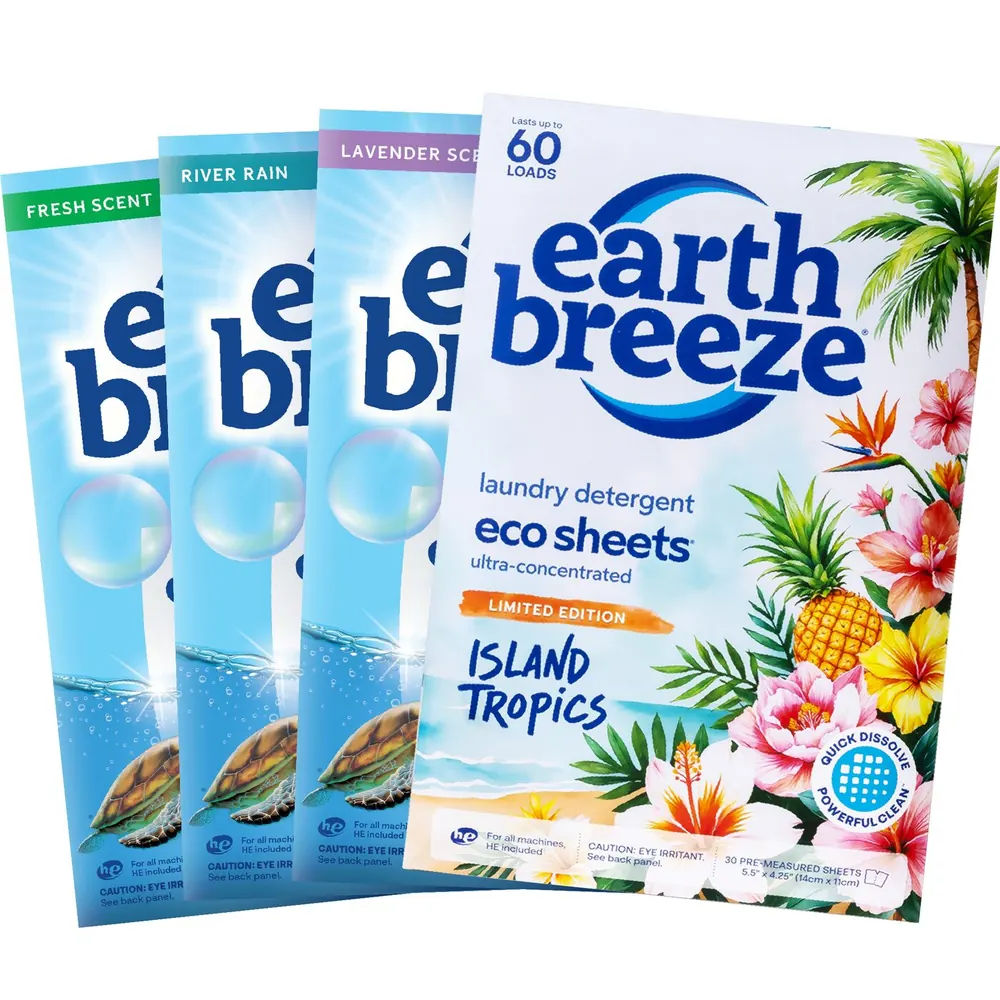
Plastic-free laundry sheets
- Plastic / use
- 0g
- Lifespan
- 60 loads / box
- Recyclability
- 100%
- Decomposes
- 0.1 yr
- +Zero plastic packaging
- +85% lighter to ship
- +Pre-measured, no overdosing
- −PVA dissolvable carrier is debated
- −Weaker on heavy oil stains
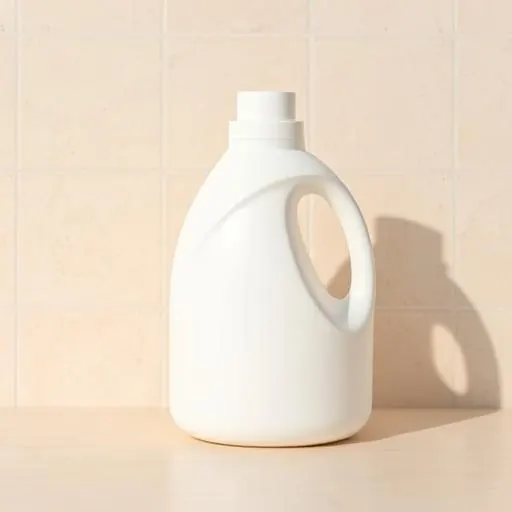
Liquid detergent jug
- Plastic / use
- 4g
- Lifespan
- ~50 loads / jug
- Recyclability
- 30%
- Decomposes
- 200-600 yr
- +Strongest on oily stains
- +Familiar format
- −~70% water by weight
- −Heavy plastic jug per ~50 loads
- −Easy to overdose
Breakdown times are modelled ranges from lab and field studies, not measured lifetimes. Real conditions (sunlight, heat, water, landfill) change them a lot, and plastic breaks into microplastics rather than disappearing. See our method.
The differences
| Sheets | Liquid | |
|---|---|---|
| Packaging | Paper sleeve | HDPE jug |
| Water in product | 0% | ~70% |
| Shipping weight per load | ~3g | ~25g |
| Plastic per load | ~0g (paper sleeve) | ~4g (amortised jug) |
| Loads per pack | 60 | ~50 |
Why one wins
The bottle is the largest single source of household plastic from the laundry room. Switching to sheets eliminates it entirely. Annual saving per household: roughly 2-3 jugs, or ~240g of HDPE.
Shipping weight drops by ~85%. The carbon footprint of transport drops in lockstep.
Sheet performance is comparable to mid-tier liquid detergents on most loads. Heavily soiled or oily stains may still need a liquid pre-treat.