Dish Bar vs Bottle
A solid dish block does the same work as several bottles, without shipping water in plastic.
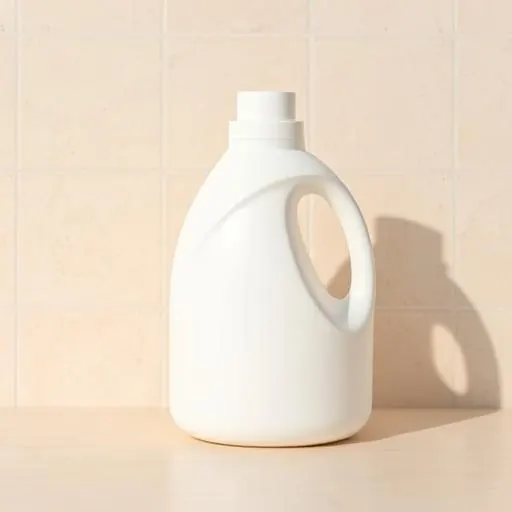
A bottle of washing-up liquid is mostly water. You pay to move that water across a country in an HDPE bottle, then throw the bottle away. A solid block is the same surfactants with the water removed.
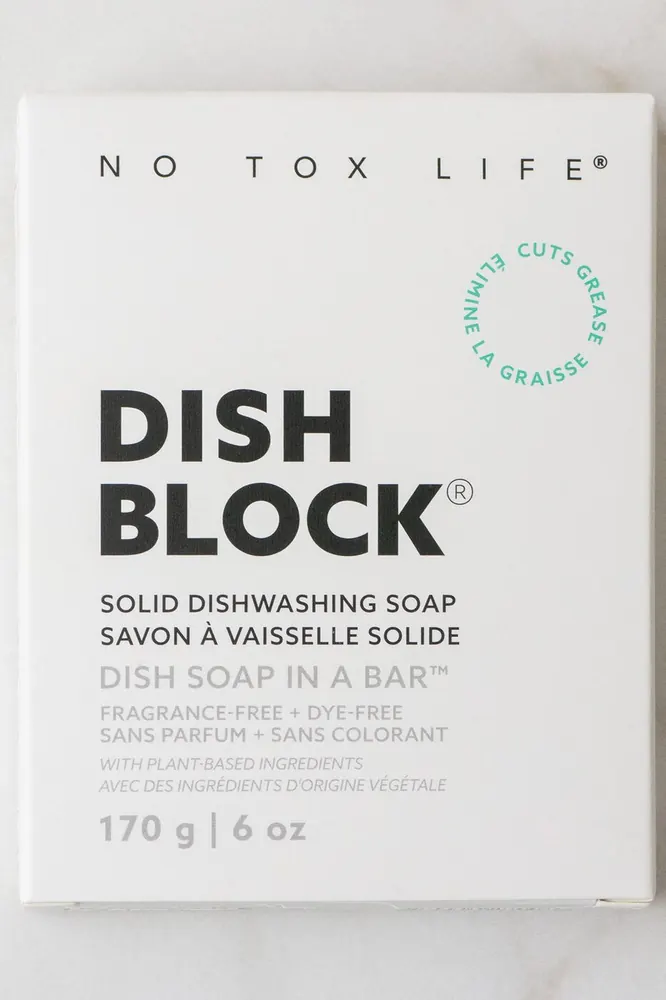
Solid dish block
- Plastic / use
- 0g
- Lifespan
- ~3 bottles' worth
- Recyclability
- 95%
- Decomposes
- ,
- +No plastic packaging
- +No water shipped around the country
- +Lasts about three bottles
- −Needs a draining dish
- −Less foam
- −Awkward for a full sink
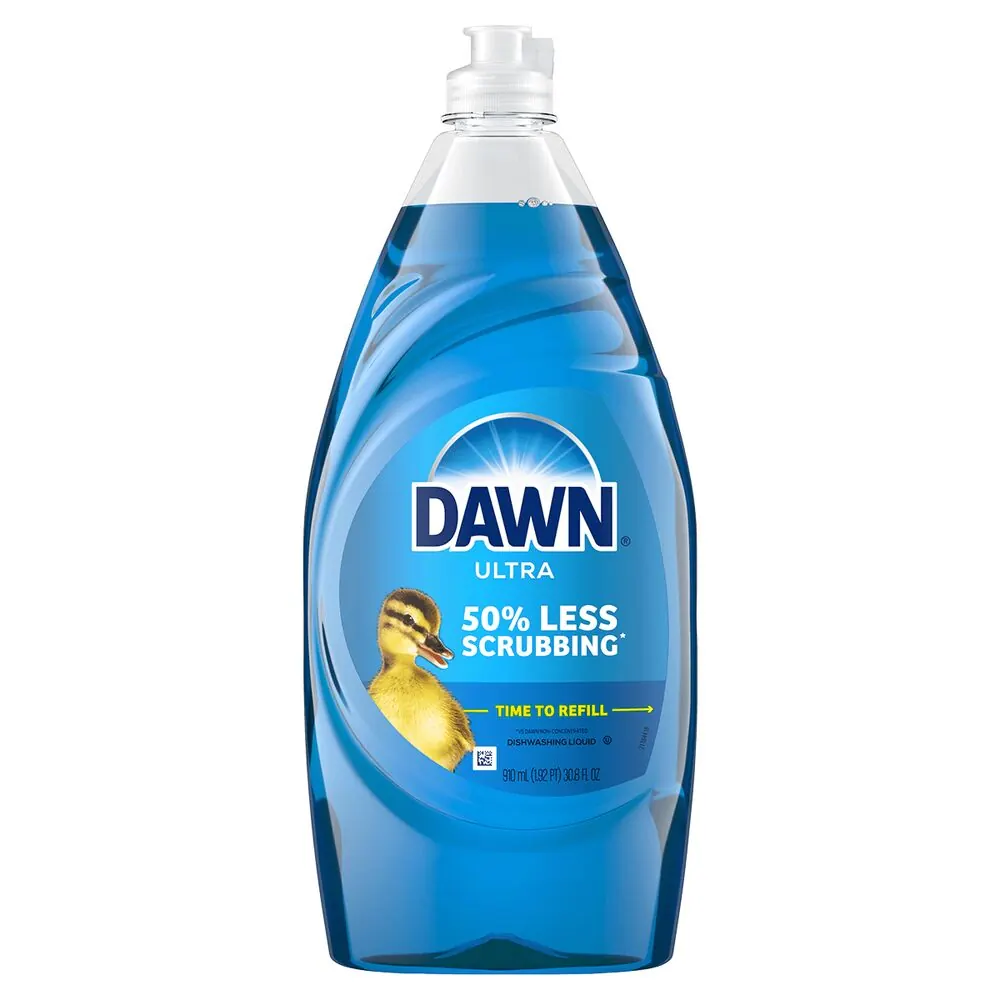
Bottled washing-up liquid
- Plastic / use
- 0.6g
- Lifespan
- ~2 months
- Recyclability
- 30%
- Decomposes
- 200-600 yr
- +Familiar and foamy
- +Easy to dose into a sink
- +In every shop
- −Mostly water in a plastic bottle
- −5-8 bottles a year per household
- −Pump tops are mixed material and get rejected at sorting
Breakdown times are modelled ranges from lab and field studies, not measured lifetimes. Real conditions (sunlight, heat, water, landfill) change them a lot, and plastic breaks into microplastics rather than disappearing. See our method.
The differences
| Bar | Bottle | |
|---|---|---|
| Water content | ~5% | 70-90% |
| Packaging | Cardboard sleeve | ~45g HDPE bottle + pump |
| Plastic per year | ~0g | ~300g |
| Replaces | 1 block ≈ 3 bottles | , |
| Best for | Brush-and-scrub washing | Filling a sink |
| Cost per year | ~$24 | ~$30 |
Why one wins
A typical 500ml bottle is 70-90% water and around 45g of HDPE. A household gets through five to eight bottles a year, roughly 300g of plastic and a lot of freight moving water around.
One 170g dish block replaces around three bottles of liquid and arrives in a cardboard sleeve. No pump, no cap, no label film.
HDPE bottles are one of the better-recycled plastics, but 'better' is relative: they are usually downcycled into pipe or crates rather than into new bottles, and a pump-top dispenser is a mixed-material part that gets rejected.
Performance is the fair objection, and it holds up: a wetted brush loaded from a block cuts grease as well as liquid. What it does not do is produce the thick foam people associate with cleaning power.