Pods vs Ground
Ground coffee in a reusable filter wins. Pods add a permanent piece of packaging to every single cup.
A capsule machine is convenient and it doses coffee precisely, that part is real. The cost is that every cup arrives inside a sealed composite of plastic, aluminium foil and a filter disc, and that composite has to go somewhere afterwards.
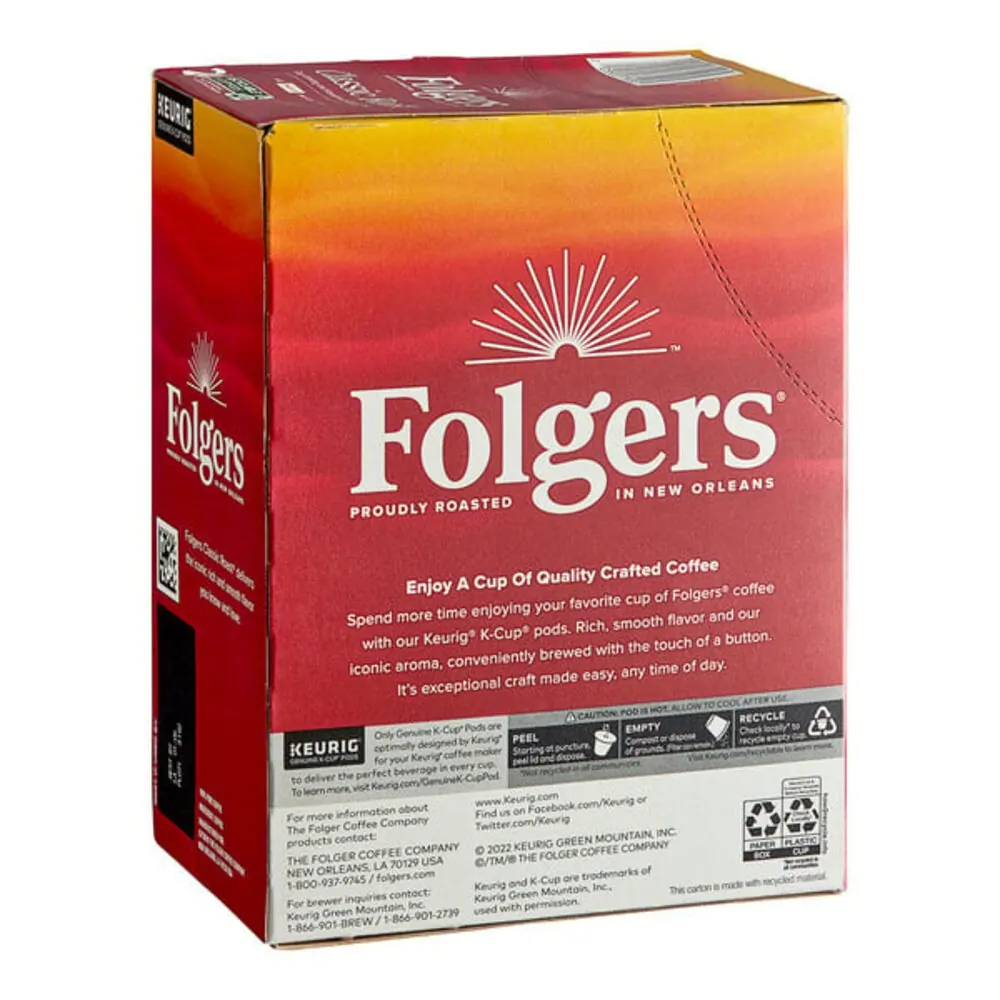
Single-serve coffee pods
- Plastic / use
- 3g
- Lifespan
- Single use
- Recyclability
- 12%
- Decomposes
- 100-400 yr
- +Fast and consistent
- +Exact dosing, no waste coffee
- +No cleanup
- −~3g of bonded plastic and foil per cup
- −Take-back schemes are opt-in and rarely used
- −Roughly four times the cost per cup
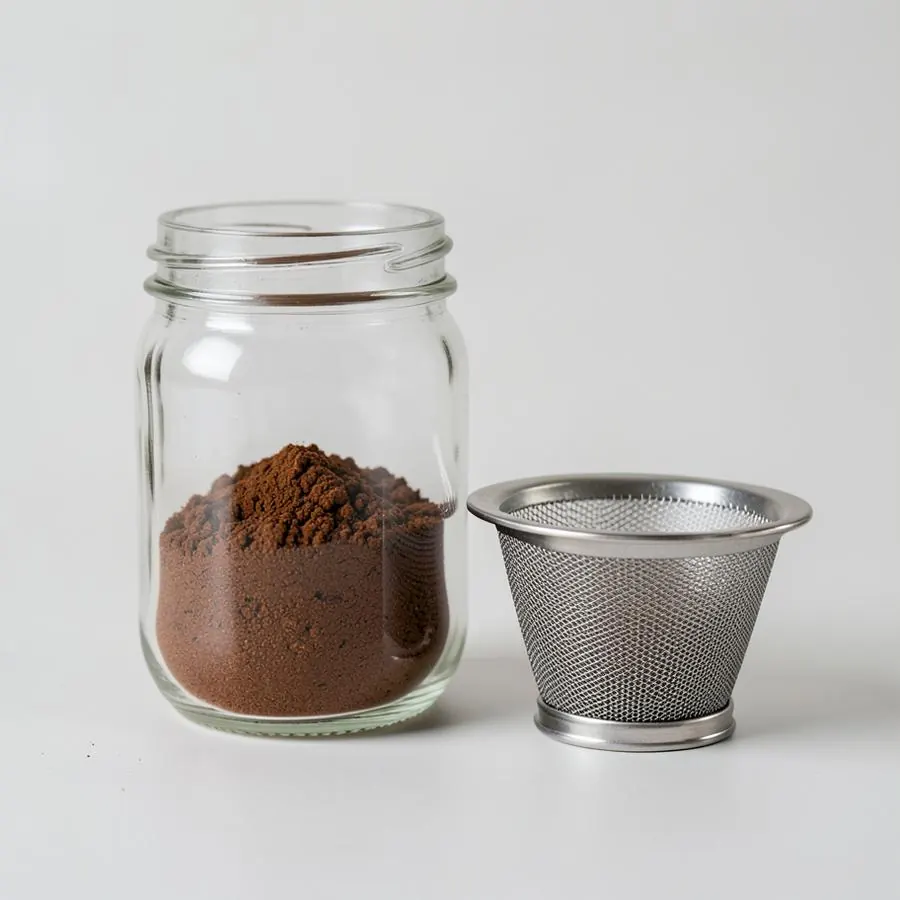
Ground coffee + reusable filter
- Plastic / use
- 0.4g
- Lifespan
- Filter: 5+ years
- Recyclability
- 80%
- Decomposes
- ,
- +No per-cup packaging
- +Grounds compost or feed the garden
- +Any coffee, any roaster, far cheaper
- −Takes a couple of minutes
- −Grounds to clean out
- −Easier to brew more than you drink
Breakdown times are modelled ranges from lab and field studies, not measured lifetimes. Real conditions (sunlight, heat, water, landfill) change them a lot, and plastic breaks into microplastics rather than disappearing. See our method.
The differences
| Pods | Ground | |
|---|---|---|
| Packaging per cup | ~3g plastic / aluminium composite | ~0.4g (bag amortised) |
| Waste per year (2 cups/day) | ~2.2kg capsules | ~0.3kg bags |
| Kerbside recyclable | No, take-back only | Bag: sometimes; grounds: compost |
| Equipment | Machine, locked to one brand | Filter, press or moka, brand-free |
| Cost per cup | ~$0.45 | ~$0.12 |
| Coffee choice | Whatever the system sells | Any roaster, any grind |
Why one wins
A single-serve capsule weighs roughly 3g of packaging for around 5-6g of coffee. Drinking two cups a day for a year is close to 2.2kg of capsules, packaging that outweighs a laptop, thrown away one teaspoon at a time.
Capsules are technically recyclable through brand take-back schemes, but they only work if you collect, store and post them. Independent audits repeatedly find most capsules go into general waste, where the plastic and foil are bonded too tightly to separate at a normal sorting plant.
Ground coffee in a reusable metal filter, a cafetiere or a moka pot produces no per-cup packaging at all. The bag the coffee came in is one piece of packaging for 40-60 cups, and the grounds themselves compost.
Pods do use slightly less coffee per cup, and coffee farming carries a real footprint. On carbon alone the gap narrows. On plastic and on what physically leaves your kitchen every morning, it does not.