Disposable vs Reusable Nappies
Reusables win clearly on waste and cost. On carbon the gap depends entirely on how you wash and dry them.
A child uses somewhere between 4,000 and 6,000 nappies before potty training. This is one of the largest single waste decisions a household makes, and it is also one where the honest answer has conditions attached.
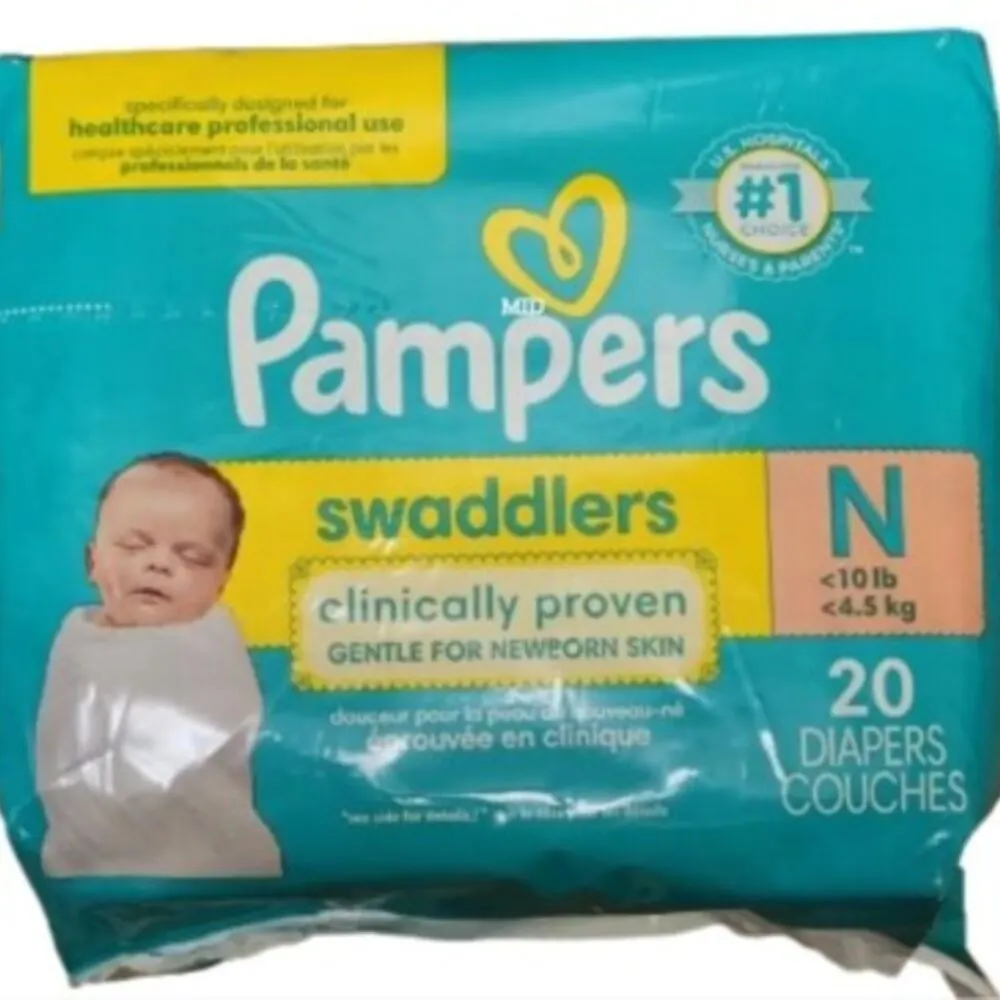
Disposable nappies
- Plastic / use
- 20g
- Lifespan
- Single use
- Recyclability
- 0%
- Decomposes
- 20-200 yr
- +No washing
- +Very absorbent overnight
- +Accepted everywhere, including nurseries
- −About 1 tonne of unrecyclable waste per child
- −Highest ongoing cost of the two
- −Plastic backsheet and polymer core persist for centuries
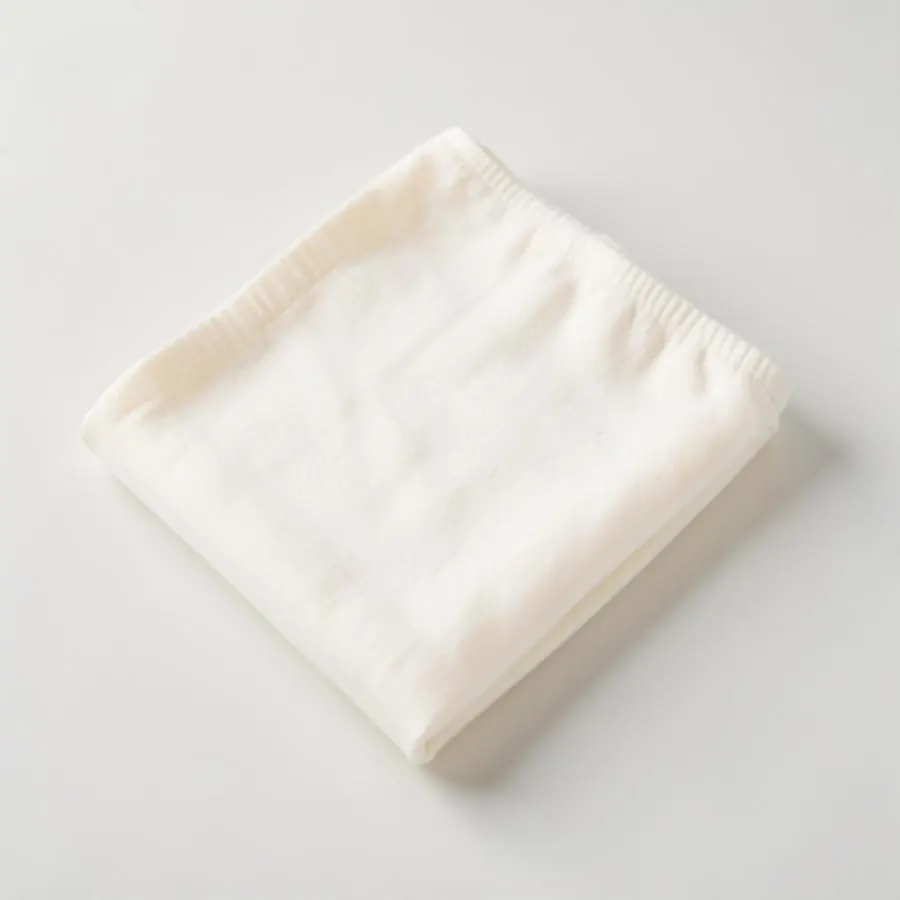
Reusable nappies
- Plastic / use
- 0.2g
- Lifespan
- 1-2 children
- Recyclability
- 60%
- Decomposes
- ,
- +Cuts nappy waste by over 90%
- +Roughly a third of the cost
- +Can be used again for a second child
- −Two to three extra wash loads a week
- −Carbon advantage disappears with hot washes and tumble drying
- −Upfront cost and a learning curve
Breakdown times are modelled ranges from lab and field studies, not measured lifetimes. Real conditions (sunlight, heat, water, landfill) change them a lot, and plastic breaks into microplastics rather than disappearing. See our method.
The differences
| Disposable | Reusable | |
|---|---|---|
| Nappies per child | ~5,000 thrown away | ~25 washed and reused |
| Waste per child | ~1 tonne to landfill | ~5kg at end of life |
| Plastic content | Backsheet, topsheet, SAP core | Cotton / bamboo, PUL cover |
| Cost to potty training | ~$1,600 | ~$500 including washing |
| Carbon vs the other | Baseline | Up to ~40% lower, if washed well |
| Reuse for a second child | No | Yes, halves the footprint again |
Why one wins
A disposable nappy is a plastic backsheet, a plastic-lined topsheet and a superabsorbent polymer core. None of it is recyclable in normal collection, and the whole thing goes to landfill or incineration. Across one child that is roughly 1 tonne of waste, most of it plastic.
A set of 20-25 reusable nappies covers the same years. Waste drops by well over 90%, and the total cost is usually a third to a half of disposables even counting washing.
The carbon picture is genuinely conditional. Government life-cycle work found reusables can be worse than disposables if washed at 90°C in half-loads and tumble dried every time, and around 40% better when washed at 40-60°C in full loads and line dried.
Reusables also pass on. The same set used for a second child roughly halves its per-child footprint, which no disposable can do.