Wipes vs Cloth
No wipe is safely flushable. A washable cloth does the same job without adding plastic fibre to sewers and rivers.
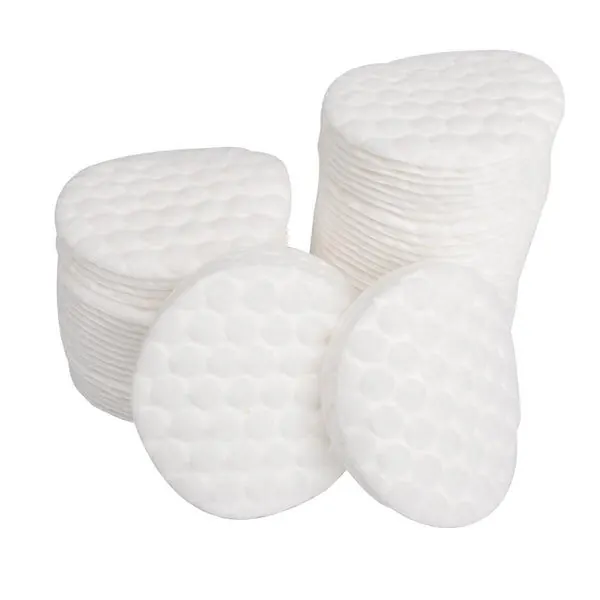
Wet wipes are mostly non-woven polyester or polypropylene sheet, soaked in liquid. They feel like damp paper and behave like fabric, which is exactly the problem once they leave the bathroom.
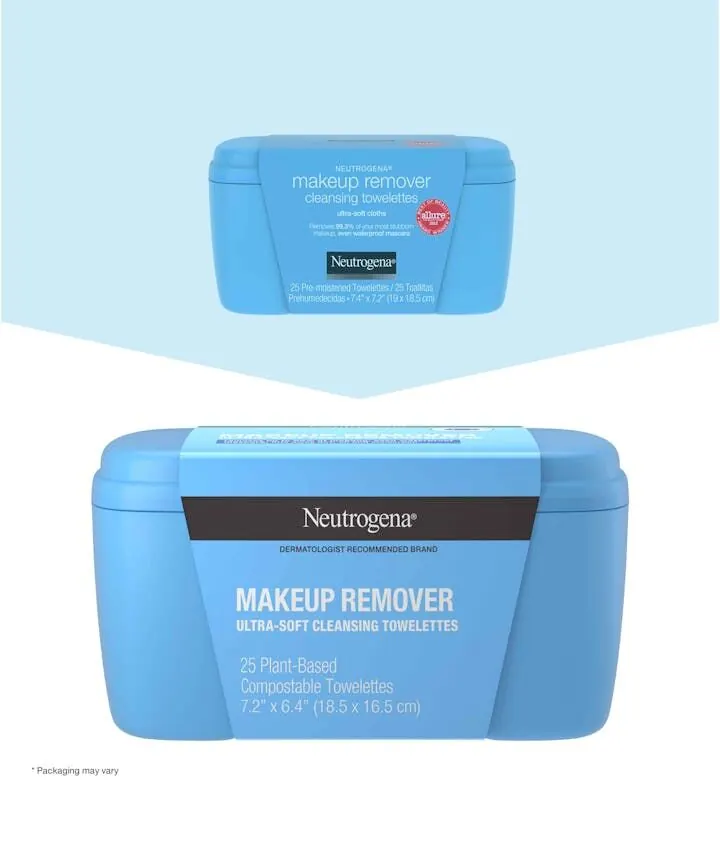
Wet wipes
- Plastic / use
- 2.8g
- Lifespan
- Single use
- Recyclability
- 0%
- Decomposes
- 20-200 yr
- +Convenient away from home
- +Pre-moistened, no prep
- +Hygienic for one-off messes
- −Plastic sheet that does not break down
- −Blocks sewers and shows up in river litter counts
- −'Flushable' claims are not backed by water utilities
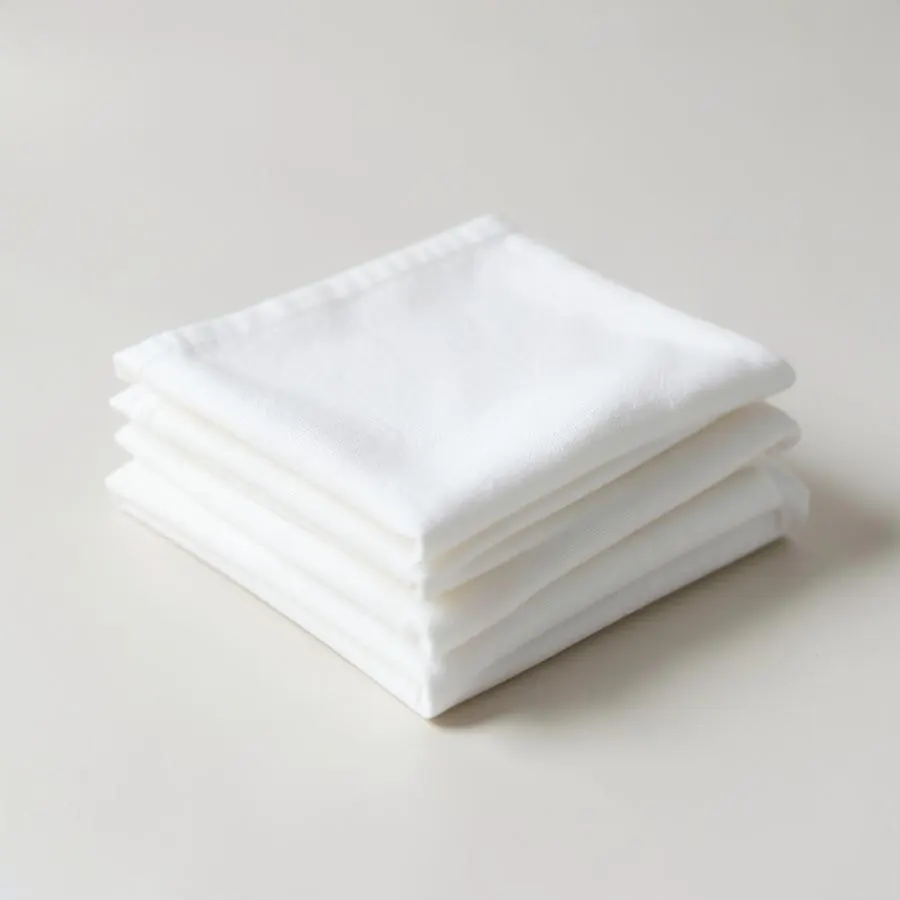
Washable cloth
- Plastic / use
- 0g
- Lifespan
- 3-5 years
- Recyclability
- 90%
- Decomposes
- ,
- +Hundreds of uses from one cloth
- +Washes with an existing load
- +No sewer or litter problem
- −Needs washing
- −Less convenient out of the house
- −Needs hot washing for hygiene jobs
Breakdown times are modelled ranges from lab and field studies, not measured lifetimes. Real conditions (sunlight, heat, water, landfill) change them a lot, and plastic breaks into microplastics rather than disappearing. See our method.
The differences
| Wipes | Cloth | |
|---|---|---|
| Material | Non-woven polyester / polypropylene | Cotton or bamboo cloth |
| Uses per unit | 1 | 500+ |
| Safe to flush | No, whatever the pack says | N/A |
| Sewer blockage risk | High, a leading cause of fatbergs | None |
| Waste per year (5/day) | ~1.8kg of plastic sheet | ~0g |
| Cost per year | ~$90 | ~$12 one-off |
Why one wins
Plastic-based wipes do not break apart in water. They bind with fat and grease in sewers to form the blockages water utilities spend hundreds of millions clearing every year, and they are a leading item in river and beach litter counts.
'Flushable' on a pack is a marketing claim measured against industry self-tests, not against a real sewer. Water companies across the UK, EU, US and Australia advise binning every wipe regardless of the label.
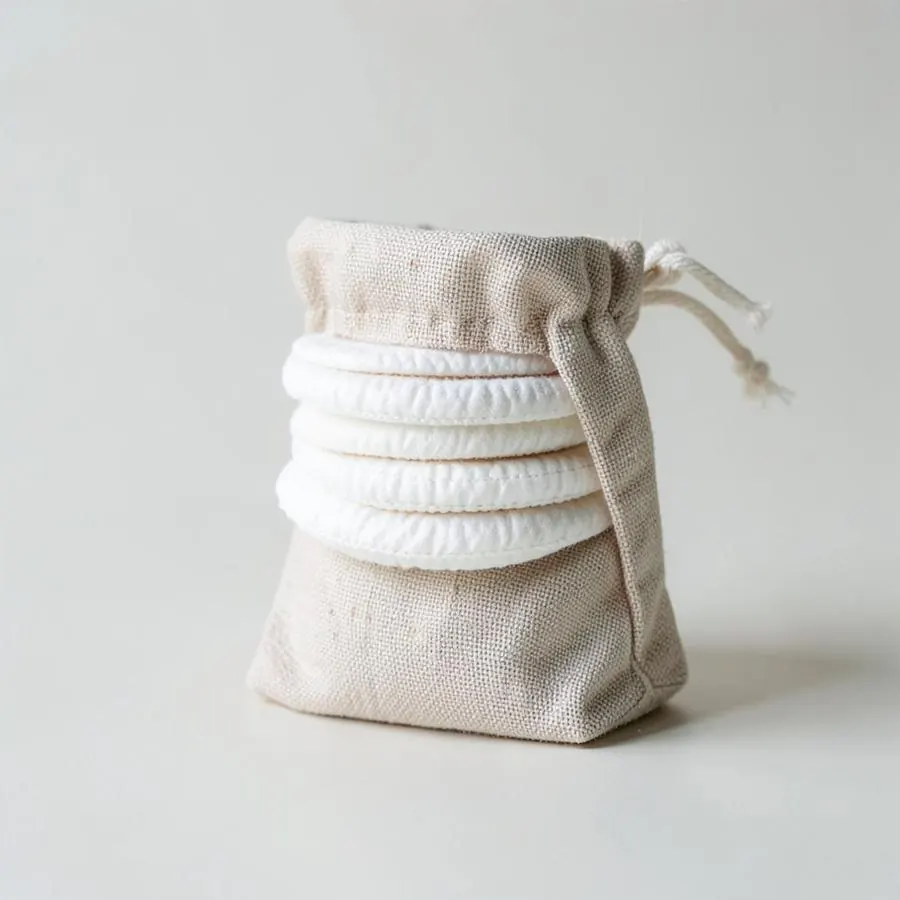
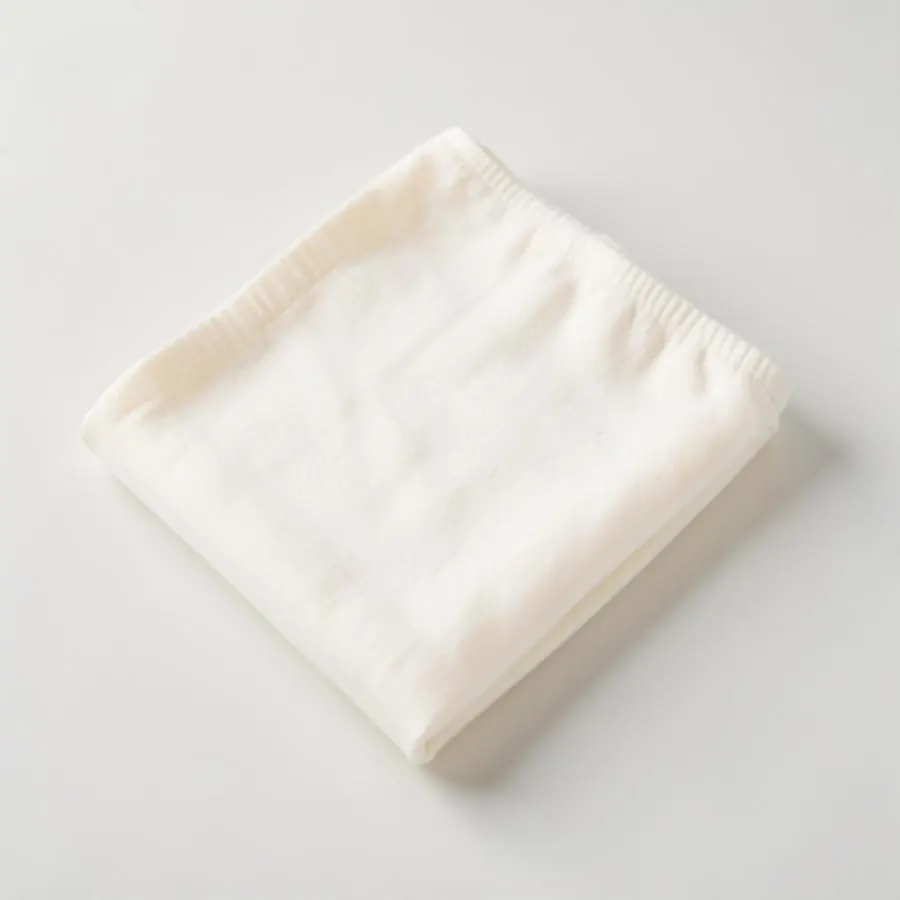
A washable cloth, cut from old cotton or bought as a pack, does everyday cleaning, face wiping and surface work for years. It goes in with a normal wash load, so the added energy cost is close to zero.
For the uses where a wipe is genuinely hard to replace, nappy changes away from home, medical hygiene, the honest answer is fewer wipes, binned, not none.