PET Bottle vs Reusable
PET is recyclable on paper. Bottle-to-bottle is roughly 9% in the real world — a reusable beats it on every axis that matters.
PET is the polymer the bottled-drinks industry built its reputation on: clear, lightweight, food-safe, and accepted at kerbside. The question is not whether PET can be recycled. The question is how often it actually is.
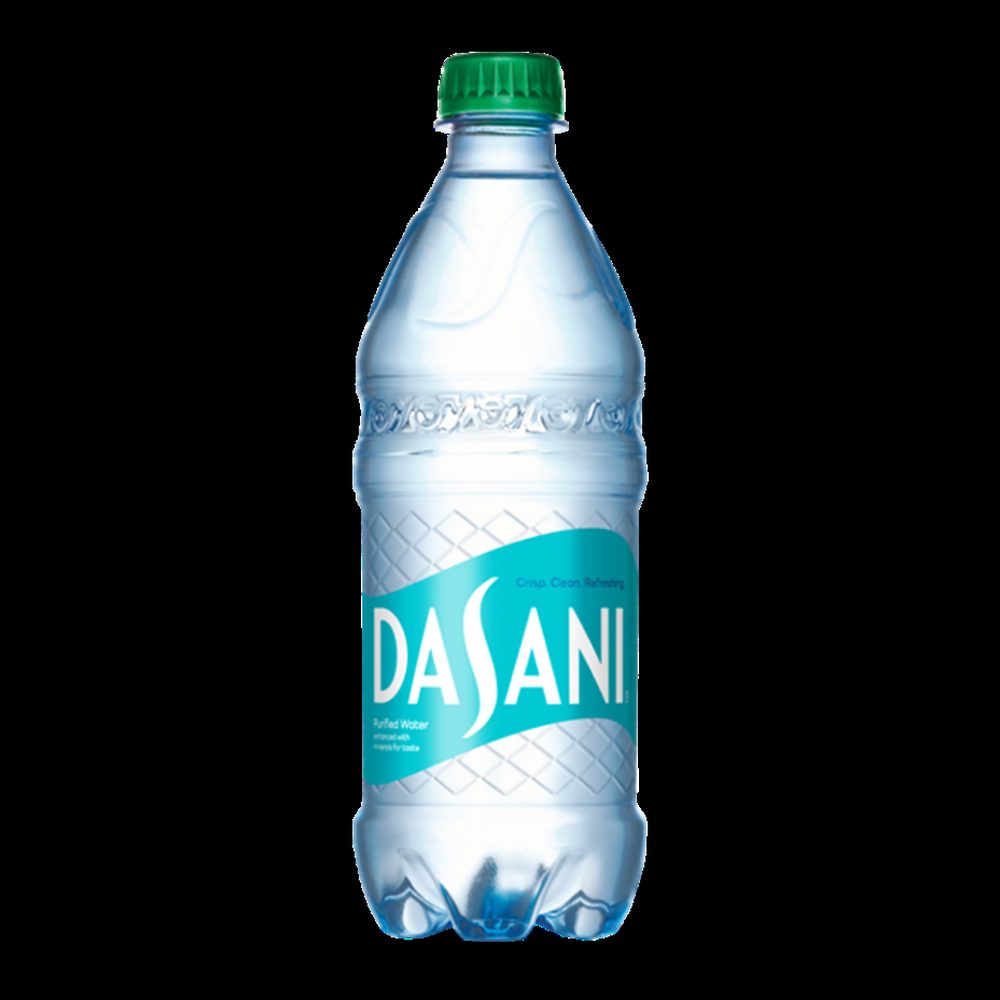
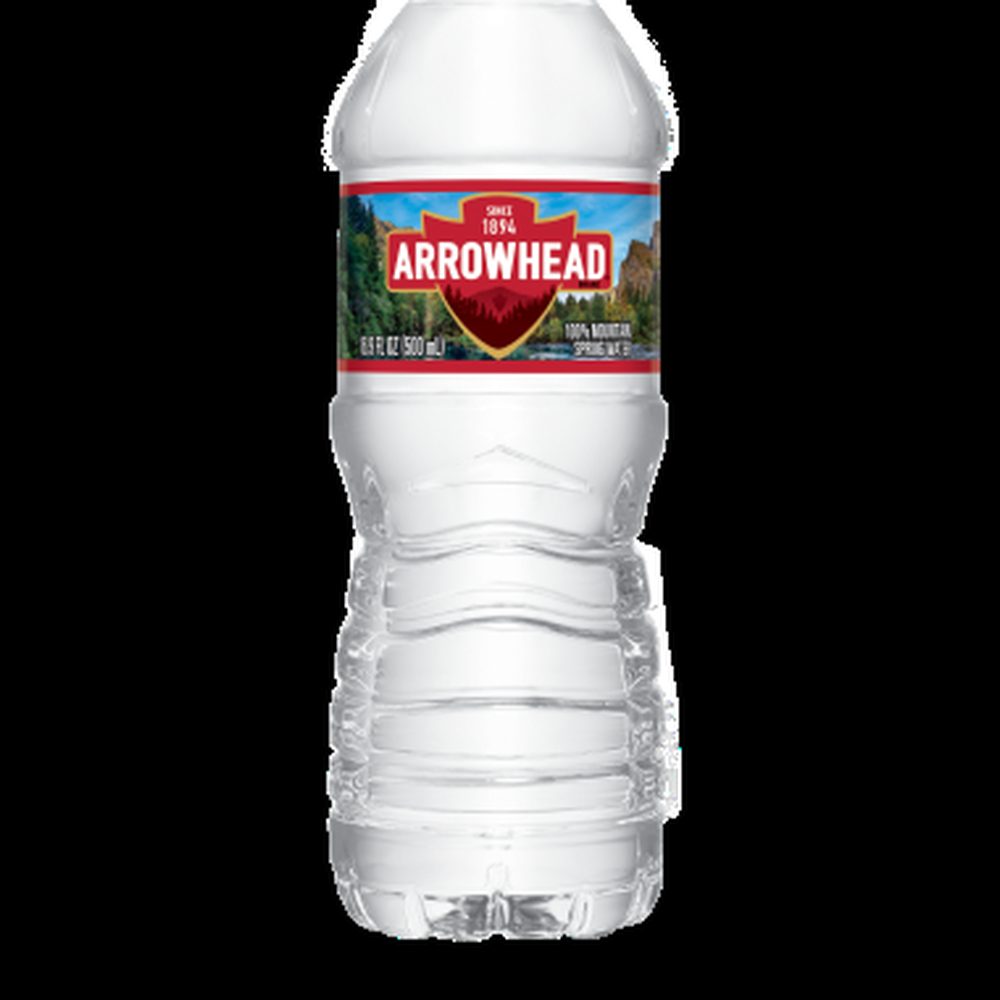
Single-use PET bottle
- Plastic / use
- 10g
- Lifespan
- Single use
- Recyclability
- 9%
- Decomposes
- 450 yr
- +Kerbside accepted in most countries
- +Lightweight, lower transport carbon than glass
- +Food-safe and shatter-resistant
- −Only ~9% becomes a new bottle — the rest is downcycled or landfilled
- −Sheds microplastic particles into contents, more when warm
- −Leaches trace antimony over time and with heat
- −Displaces refill infrastructure where it would otherwise exist
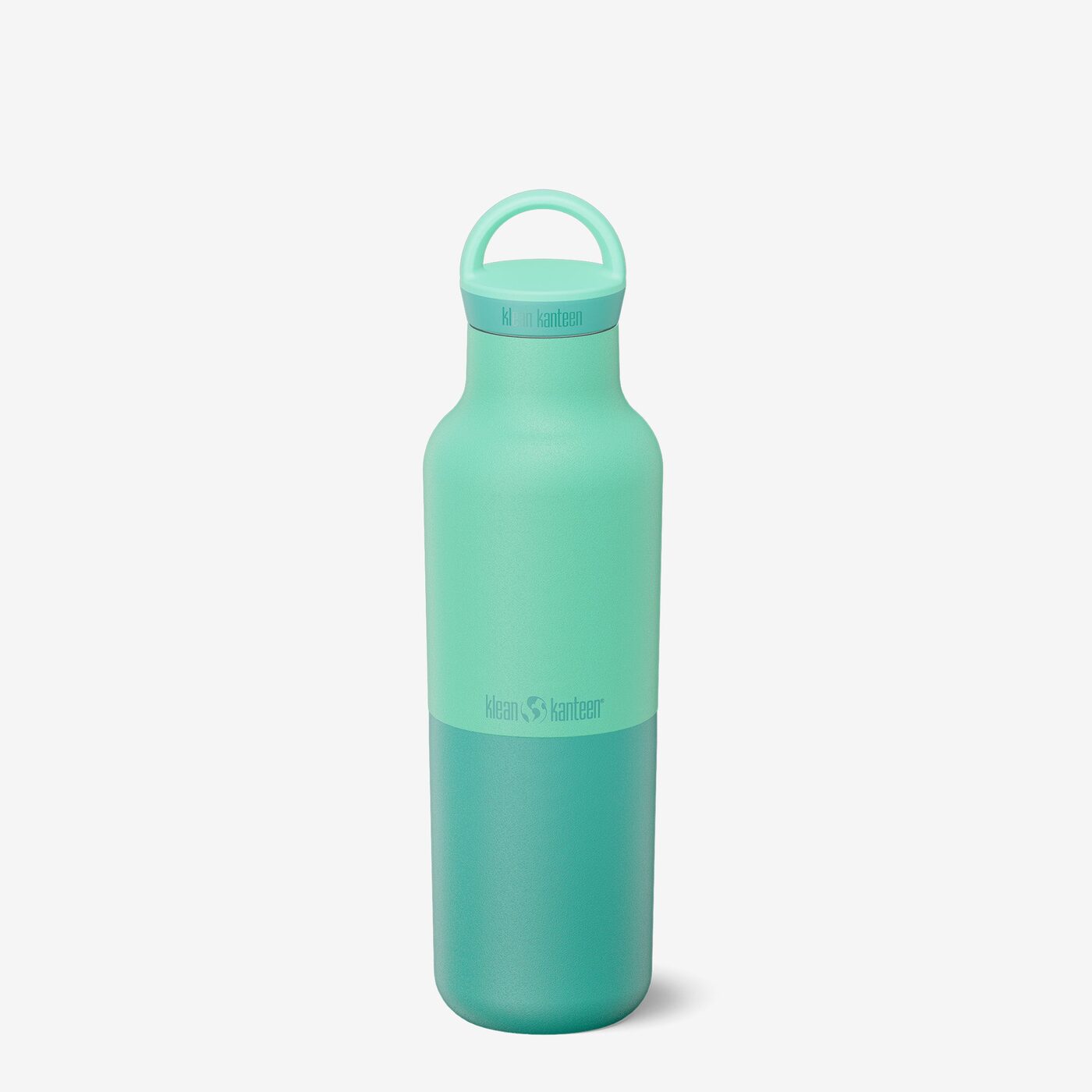
Reusable bottle
- Plastic / use
- 0.02g
- Lifespan
- 10+ years
- Recyclability
- 95%
- Decomposes
- —
- +Pays back embedded footprint in ~2 months of daily use
- +No microplastic or antimony in your drink
- +Stainless / glass is genuinely recyclable at end-of-life
- −Higher upfront cost (~$25)
- −Heavier to carry than an empty PET bottle
The differences
| PET | Reusable | |
|---|---|---|
| Material | PET (resin code #1) | Stainless steel / glass |
| Plastic per fill | ~10g (whole bottle) | 0g after first fill |
| Bottle-to-bottle recycling | ~9% in practice | N/A — refilled |
| Microplastic shedding | Measurable, rises with heat | None |
| Antimony leaching | Trace, rises with time/heat | None |
| Lifespan | Single use | 10+ years |
| Cost over 1 year (daily) | ~$550 (bottled water) | ~$25 (tap + bottle amortised) |
Why one wins
Global PET bottle collection sits around 50%. Of what is collected, only about 9% becomes a new bottle — the rest is downcycled into polyester fibre or single-use trays, neither of which is recycled again. The end of that road is a landfill, just delayed by one product cycle.
PET sheds measurable microplastic particles into its contents, more so when warm or sun-exposed in transport, and leaches trace antimony from its manufacturing catalyst over time. The doses are within regulatory limits, but they are not zero.
A reusable stainless or glass bottle has a higher embedded footprint up front, but pays it back inside two months at one fill per day. After that, every fill is functionally free, with no microplastic, no antimony, and no downstream sorting problem.